
Kerala High Court Stays Waqf Board Functioning
Court directs Joint Secretary to manage affairs after finding board's composition prima facie violates Waqf Act

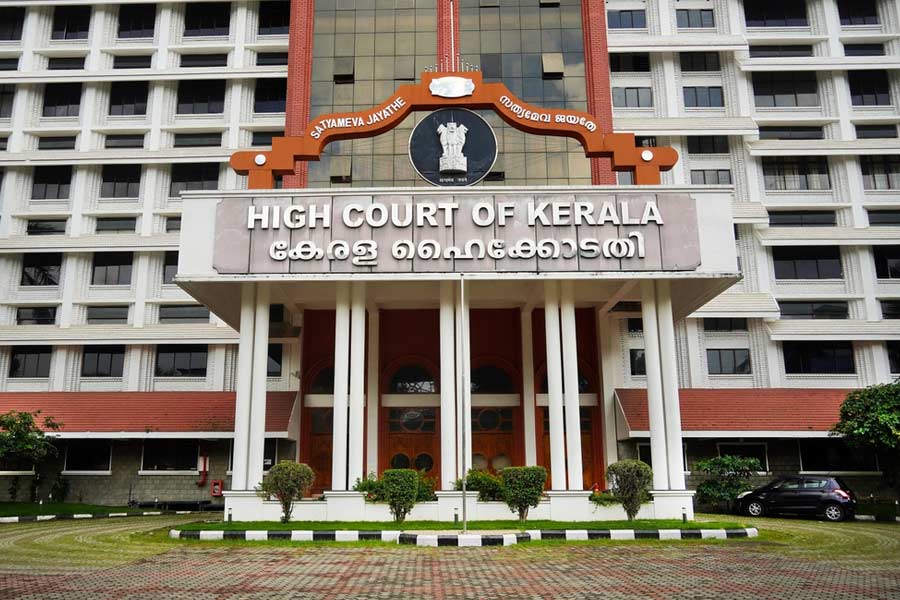
- Kerala High Court stays functioning of the present Waqf Board.
- Court says board’s composition does not comply with the Waqf Act.
- Joint Secretary in charge of Waqf to oversee day-to-day administration.
- State government tells court it is ready to reconstitute the board.
GG News Bureau
Kochi, 16th July: The Kerala High Court on Thursday stayed the functioning of the present Kerala Waqf Board, observing that its current composition does not comply with the provisions of the Waqf Act, and directed the Joint Secretary in charge of Waqf to oversee its day-to-day affairs until the issue is resolved.
A division bench comprising Chief Justice Soumen Sen and Justice V.M. Shyamkumar passed the interim order while hearing petitions filed by BJP leader Shaun George and the Assembly of Christian Trust Services (ACTS), which challenged the constitution of the board.
The petitioners contended that the board had been constituted illegally as it lacked the two non-Muslim members mandated under the Waqf Act. They also alleged that some members did not possess the statutory qualifications required for their appointments and questioned the appointment of a Law Department official in place of the ex-officio Joint Secretary from the department handling Waqf affairs.
During the hearing, Advocate General Jaju Babu informed the court that the state government was prepared to reconstitute the board under Section 14 of the Waqf Act. He acknowledged that the existing board has only nine members instead of the prescribed 11 and conceded that it had not been constituted in accordance with the law.
Observing that the statutory requirement relating to non-Muslim members had not been fulfilled, the High Court held that the existing board could not continue to function. It directed the Joint Secretary in charge of Waqf to administer the board until the petitions are decided, while making it clear that no major policy decisions should be taken during the interim period.
Counsel appearing for the Waqf Board argued that the government’s explanatory note had not been served on them and maintained that the appointment of non-Muslim members had been deferred because the issue was pending before the Supreme Court. However, the Centre submitted that the Supreme Court had not passed any order restraining such appointments.
The High Court has posted the matter for further hearing next week.
