
India Approves First Dengue Vaccine, Qdenga
CDSCO clears Takeda's vaccine for people aged 4–60 years, marking a major milestone in dengue prevention

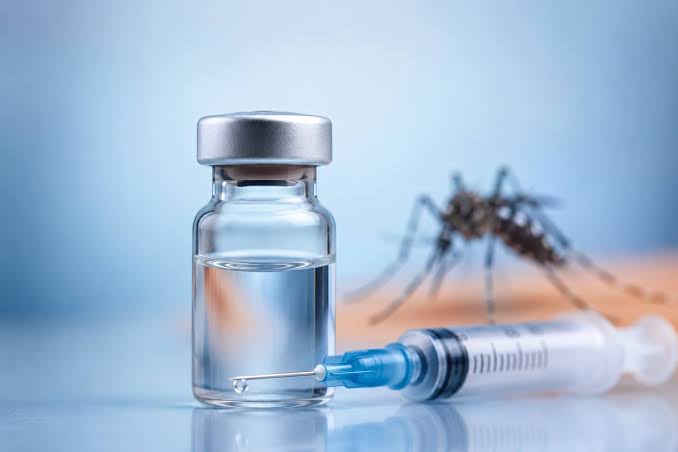
- CDSCO approves India’s first dengue vaccine, Qdenga.
- Vaccine recommended for individuals aged 4–60 years in a two-dose schedule.
- Qdenga has already been approved in 42 countries and prequalified by the WHO.
- Approval strengthens India’s dengue prevention and public health strategy.
GG News Bureau
New Delhi, 21st July: India has approved its first dengue vaccine, with the Central Drugs Standard Control Organisation (CDSCO) granting marketing authorisation to Qdenga®, a recombinant live attenuated tetravalent dengue vaccine developed by Takeda GmbH, Germany.
The approval, issued under the Ministry of Health and Family Welfare, marks a significant milestone in the country’s efforts to prevent and control dengue. The vaccine will be imported by Takeda Biopharmaceuticals India Pvt. Ltd.
According to the ministry, the approval follows a comprehensive scientific evaluation of the vaccine’s quality, safety and efficacy under the provisions of the Drugs and Cosmetics Act, 1940, and the Drugs Rules, 1945.
Qdenga is indicated for the prevention of dengue disease in individuals aged 4 to 60 years. The recommended immunisation schedule consists of two doses of 0.5 ml, administered subcutaneously at an interval of three months.
The vaccine is a live, attenuated tetravalent vaccine developed using recombinant DNA technology. It is designed to provide protection against all four dengue virus serotypes and is manufactured using Vero cell technology.
The approval is backed by an extensive global clinical development programme that assessed the vaccine’s safety, immunogenicity and efficacy in both dengue-endemic and non-endemic countries. Clinical trials included participants from Brazil, Thailand, Sri Lanka and several other countries, along with a pivotal Phase III study conducted in India involving people aged 4 to 60 years.
Qdenga has already secured regulatory approvals in 42 countries, including the European Union, the United Kingdom, Switzerland, Indonesia, Malaysia and Thailand, and has received World Health Organization (WHO) prequalification. More than 24 million doses have been distributed globally, with post-marketing surveillance indicating a favourable safety profile and no major safety concerns.
The Health Ministry said the approval is expected to complement existing dengue control measures under the National Vector Borne Disease Control Programme, including vector control, surveillance, early diagnosis and case management.
The ministry reaffirmed its commitment to ensuring timely access to safe, effective and quality-assured vaccines through a robust, science-based regulatory framework, describing the approval as a major step in strengthening India’s public health response to dengue.
