
Parliamentary Panel Calls for AI-Led Mission to Preserve India’s Manuscript Heritage
Rajya Sabha Committee presents 393rd report recommending digitisation, AI-driven research and global collaboration for safeguarding ancient manuscripts

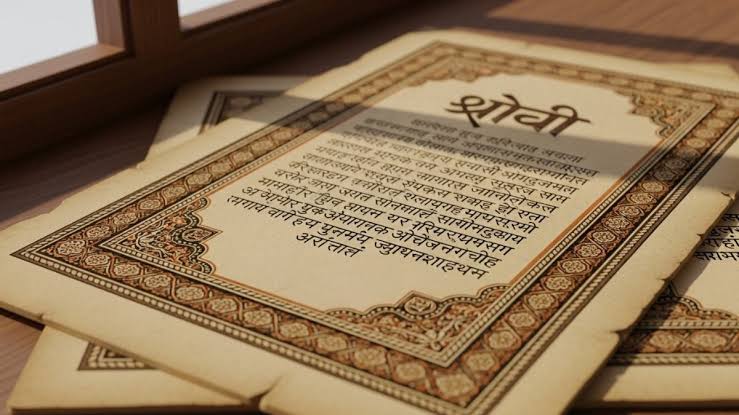
- Parliamentary panel submits 393rd report on preserving India’s cultural heritage through AI.
- Recommends national digitisation standards and AI-assisted manuscript restoration.
- Calls for global mapping of Indian manuscripts and creation of an open national repository.
- Suggests integrating manuscript heritage with PM Gati Shakti and knowledge tourism.
GG News Bureau
New Delhi, 14th Aug: A Parliamentary Standing Committee has proposed an ambitious roadmap to preserve India’s vast manuscript heritage by leveraging Artificial Intelligence (AI), advanced digitisation technologies and international collaboration. The recommendations are part of the 393rd Report of the Department-related Parliamentary Standing Committee on Transport, Tourism and Culture, which was presented in Parliament by Committee Chairman Sanjay Kumar Jha.
Titled “From Manuscript to Mission: Preserving, Mapping and Sustaining India’s Cultural Heritage in the Age of Artificial Intelligence,” the report recommends transforming manuscript preservation into a national mission by adopting modern technologies while ensuring long-term conservation of India’s cultural legacy.
The Committee has recommended establishing comprehensive national digitisation standards for manuscripts, including multispectral imaging for damaged manuscripts, detailed metadata, material records and scientific dating protocols. It has also proposed a dedicated research programme involving scientific institutions to decode manuscripts that remain unreadable due to age or damage.
To expand public participation, the report suggests creating an “Akshar Mitra” citizen platform, enabling verified volunteers and universities to contribute to manuscript transcription while ensuring proper academic recognition.
Among its major recommendations is the creation of an open national digital library of publicly funded manuscript images and verified transcriptions. The Committee has also proposed publishing a comprehensive index of persons, places and works referenced in manuscripts along with a time-layered atlas of Indian knowledge systems.
Recognising the scientific value of ancient texts, the report recommends extracting astronomical and meteorological observations from manuscripts in collaboration with national scientific agencies and making such information available as open datasets for research.
The panel has further called for identifying Indian manuscripts held overseas, preparing a common catalogue of dispersed collections and acquiring digital copies to facilitate their eventual reunification. It also recommends integrating manuscript formulations with the Ministry of Ayush to strengthen traditional knowledge systems.
To ensure authenticity and long-term preservation, the Committee has proposed adopting international image interoperability standards, creating secure digital repositories, establishing a national registry of manuscripts at risk and deploying cultural first-aid mechanisms for emergency preservation.
The report also recommends linking India’s manuscript heritage with the PM Gati Shakti National Master Plan, developing knowledge tourism circuits around important cultural sites and enabling artisans to connect with digital commerce platforms through authenticated cultural mapping.
The Parliamentary Committee believes these measures will help preserve India’s invaluable manuscript heritage while making it accessible for future generations through technology-driven conservation and research.
