
Trump says fresh Iran strikes ahead of midterm, Tehran warns ‘doomsday war’

By Anjali Sharma
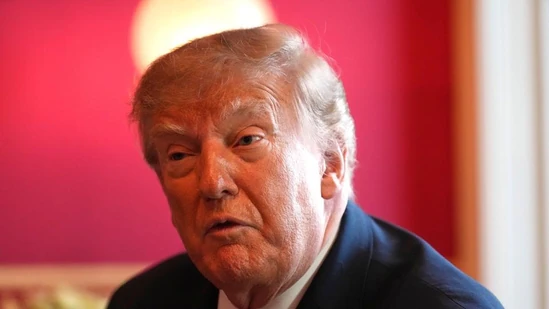
WASHINGTON – US President Trump on Monday has refused to rule of fresh military strikes on Iran before mid term elections said action was ‘possible’ while predicted that Washington would win the war very soon.
Tehran said it remains willing to reopen the Strait of Hormuz under a negotiated settlement involving frozen Iranian assets and oil sales, despite Trump’s rejection of its latest proposal.
Iranian Foreign Minister Abbas Araghchi warned that Tehran was prepared to face renewed US attacks even if they led to what he called a “doomsday war”.
But Araghchi also kept the door open to diplomacy, putting the choice before Trump.
The competing messages have emerged after Trump rejected Iran’s latest proposal for a temporary ceasefire and the reopening of the Strait of Hormuz.
Tehran has sought the release of frozen assets and the ability to sell its oil as part of a negotiated settlement.
Trump was speaking to Fox News on Sunday on the sidelines of the PGA Tour Presidents Cup, was asked whether military strikes could resume before the midterm elections.
“I don’t want to say that. I don’t want to say that. I mean, it’s possible, but I just don’t want to say that,” Trump said.
He predicted a swift US victory and linked the end of the conflict to a sharp decline in oil prices.
“I think what’s going to happen is we’re going to win this war very soon, and as soon as we win it, the oil will go down, way down to what it was before the war,” Trump said.
Trump said preventing Iran from acquiring a nuclear weapon remained central to his policy.
“And the key is, Iran will not have a nuclear weapon,” he said.
Asked whether Washington was prevailing through military action or economic pressure, Trump said both were working.
“I think both. I think we’ll win it both ways. We’ve already won it really from a military standpoint,” he said. “But that doesn’t mean we’ve stopped that.”
Trump also portrayed Iran as being under severe economic pressure, claiming its currency had collapsed and inflation was close to 300 per cent.
“The value of their money is, as they say, valueless. We have inflation. They have inflation now of close to 300%. I heard 318% as of this morning. 300, meaning their money is shot, their economy is shot, their military is shot. They’re in trouble,” he said.
Araghchi delivered a stark warning in an interview with NBC News’ “Meet the Press”.
“We are fully prepared for the war to be resumed. We stand firm in the face of any new aggression, even if it comes to a doomsday war,” Araghchi said.
“We don’t care about U.S. midterm elections. We care about our national interests. At the same time, we stand ready for diplomacy. It is up to President Trump to choose.”
Araghchi said Trump’s rejection of Tehran’s proposal had not been formally conveyed to Iran through the diplomatic channels being used by the two sides.
Iran remains prepared to reopen the Strait of Hormuz as part of an agreement to end the hostilities, he said.
“We want our monies, our assets, which are illegally frozen, to be released. We want to be able to sell our oil,” Araghchi said.
The proposal follows a temporary ceasefire arrangement reached in June.
“If you ask us, there is no reason why we should go back to diplomacy,” Araghchi said. “But I am still trying diplomacy because I think we shouldn’t miss any chance for peace.”
US Ambassador to the UN Mike Waltz said Washington had rejected the Iranian proposal for several reasons, including Tehran’s demand for access to frozen funds.
“I think this was a pretty cynical attempt to put something on the table that they knew was unacceptable, to ask for the release of the blockade, the sanctions, international sanctions, and access to billions in assets,” Waltz said.
Iran had proposed a 7 day plan under which the Strait of Hormuz would reopen if specified conditions were met, followed by renewed talks over its nuclear programme.
Araghchi said Iran was pursuing diplomacy despite its distrust of Washington.
Trump has continued to leave military options open while insisting that any outcome must prevent Tehran from acquiring a nuclear weapon.
