
BCI Revokes NALSAR Enrolment Ban for 2026 Graduates
Bar Council restores advocate enrolment rights, says no student should suffer while inquiry into campus protest continues

- BCI withdraws its order barring NALSAR’s 2026 graduates from advocate enrolment.
- All 2026 graduates can now apply for enrolment with State Bar Councils.
- Inquiry into the protest against inviting Chief Justice Surya Kant will continue.
- BCI says action, if any, will be based on the findings of the investigation.
GG News Bureau
New Delhi, 14th Aug: The Bar Council of India (BCI) has withdrawn its earlier directive barring students graduating from Hyderabad-based National Academy of Legal Studies and Research (NALSAR) in 2026 from enrolling as advocates, restoring their eligibility to register with State Bar Councils while an inquiry into the campus protest continues.
The decision came just hours after the BCI had directed all State Bar Councils not to enrol any member of the 2026 graduating batch until further orders following protests by a section of students over the proposed invitation to Chief Justice of India Surya Kant as the chief guest at the university’s convocation.
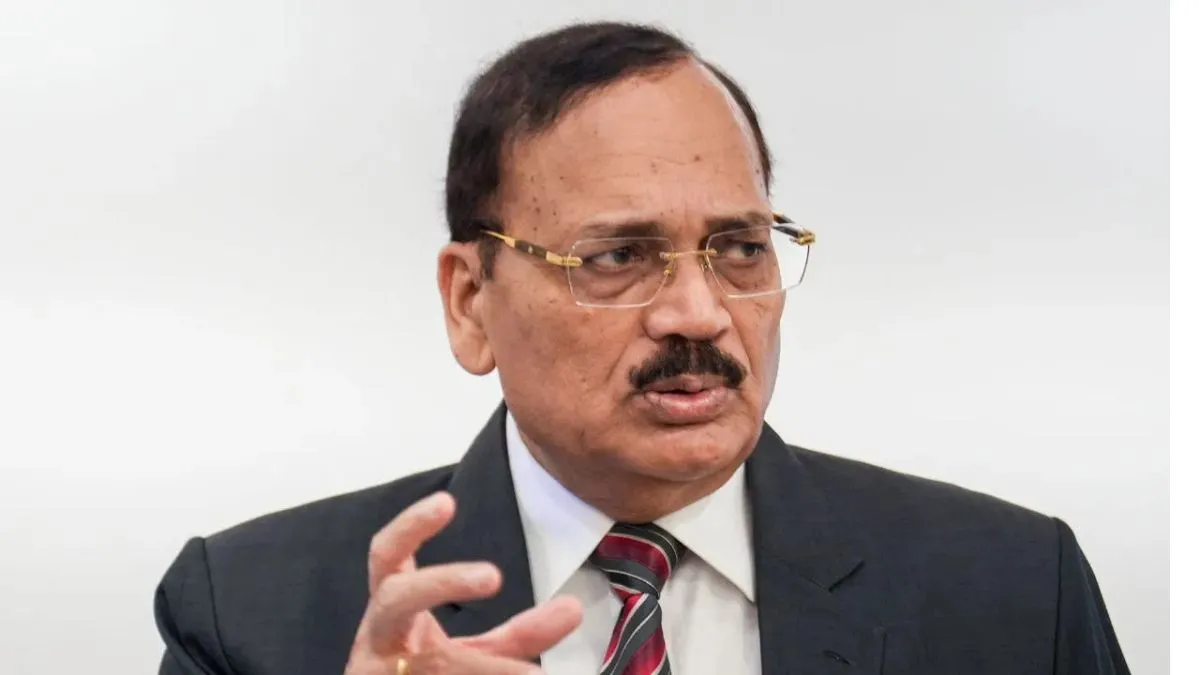
Announcing the revised decision, BCI Chairman Manan Kumar Mishra said all students from the 2026 batch would now be entitled to seek enrolment with the State Bar Council of their choice.
“After detailed deliberation, the Bar Council of India has modified its earlier directions. The factual inquiry will continue, and further action will follow on the basis of the report. No student shall be made to suffer without any fault on his or her part,” Mishra said in a statement.
Later, he clarified that the 2026 graduating batch had “no role in any disturbance or movement” and stated that the Bar Council had decided to close the proceedings against the batch while continuing to examine the circumstances surrounding the protest.
The controversy began after a group of graduating students submitted a representation to the university administration urging it to reconsider inviting Chief Justice Surya Kant to the convocation. The students argued that the event should reflect the institution’s commitment to constitutional values and linked their objection to remarks made by the Chief Justice during Supreme Court proceedings concerning alleged police action against protesters during the “Chalo Sansad” demonstration at Delhi’s Jantar Mantar.
In its earlier communication, the BCI had sought a detailed report from NALSAR identifying individuals allegedly involved in organising and mobilising the campaign. The Council had stated that disrespect towards the country’s highest judicial office was inconsistent with the ethical standards expected from members of the legal profession.
The BCI had also alleged that certain faculty members may have played a role in influencing students, describing the matter as serious and warranting investigation.
Chief Justice Surya Kant had subsequently clarified that reports claiming the Supreme Court had refused to hear the matter were incorrect. He said the petition had not been formally filed in accordance with established procedure and emphasised that the Court remains available to hear every properly instituted case.
The initial BCI directive drew criticism from opposition leaders and legal circles. Congress Rajya Sabha MP Ajay Maken termed the order “vindictive, arbitrary, illegal and wholly unacceptable,” arguing that an entire graduating batch could not be penalised for the actions of a few individuals.
The Cockroach Janta Party (CJP) also threatened nationwide protests if the directive was not withdrawn. With the latest decision, the immediate restriction on the enrolment of NALSAR’s 2026 graduates has been lifted, while the Bar Council’s inquiry into the events surrounding the protest remains ongoing.
