
Air India Pilot Tests Positive for Psychoactive Substance
AAIB flags safety concern after Phuket-Delhi flight suffers 292-foot altitude drop

- Pilot-in-command tested non-negative in confirmatory substance testing
- Flight A12379 experienced multiple hydraulic system failures over Odisha
- 20 passengers and four cabin crew members were injured
- AAIB recommends priority action by DGCA
GG News Bureau
New Delhi, 4th Sept: The pilot-in-command of Air India flight A12379 from Phuket to Delhi was found non-negative for a psychoactive substance in a confirmatory test, according to the preliminary report of the Aircraft Accident Investigation Bureau (AAIB).
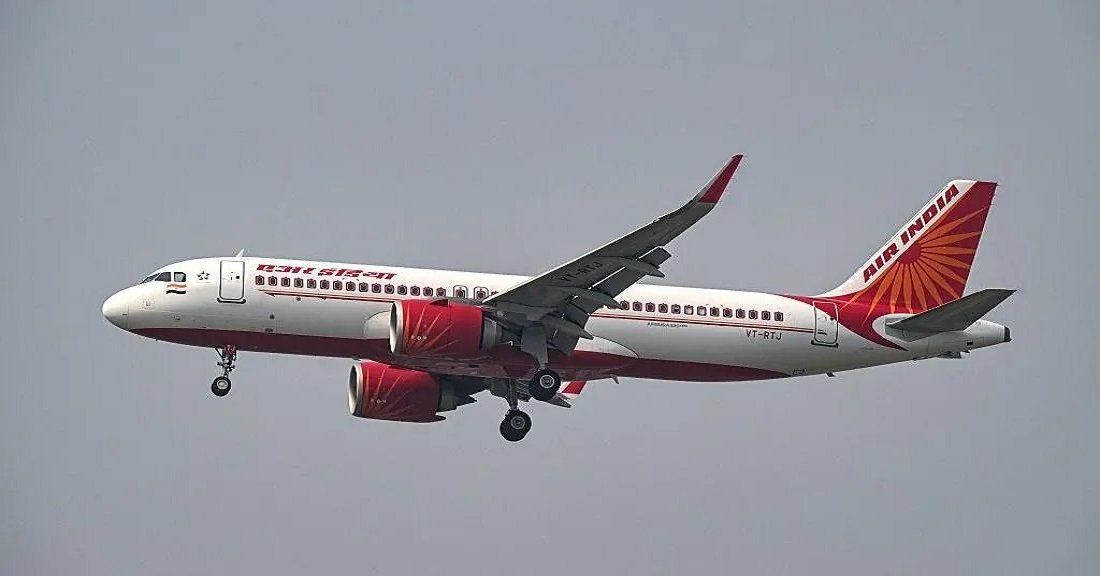
The Airbus A320, carrying 145 people, experienced an altitude upset during its cruise over Odisha on August 4. The aircraft initially gained 372 feet and subsequently dropped 292 feet from its assigned Flight Level 360.
The incident occurred after the aircraft detected a loss of its green hydraulic system, followed shortly by losses of the blue and yellow systems. The co-pilot, who was the Pilot Flying, responded to the situation before the pilot-in-command took over the controls. The hydraulic systems were subsequently restored and the aircraft returned to normal operating conditions.
Both crew members underwent post-flight medical screening in Delhi. Their Breath Analyser tests were satisfactory. However, a psychoactive substance detection test showed a non-negative result for the pilot-in-command. Blood samples were then sent for confirmatory testing, which again returned a non-negative result for the pilot-in-command, while the co-pilot tested negative in both tests.
At least 20 passengers and four cabin crew members sustained injuries. The aircraft also suffered damage to parts of the cabin, mainly overhead storage bins and ceiling panels.
The AAIB said the detailed investigation into the technical and other aspects of the incident is continuing. It termed the confirmation of psychoactive substance use a serious concern and recommended that the Directorate General of Civil Aviation (DGCA) take appropriate action on priority.
The final investigation report will be published in due course.
