
AI to Drive Next Phase of Governance Reforms: Jitendra Singh
Union Minister says India is entering a new era of AI-powered, citizen-centric administrative transformation

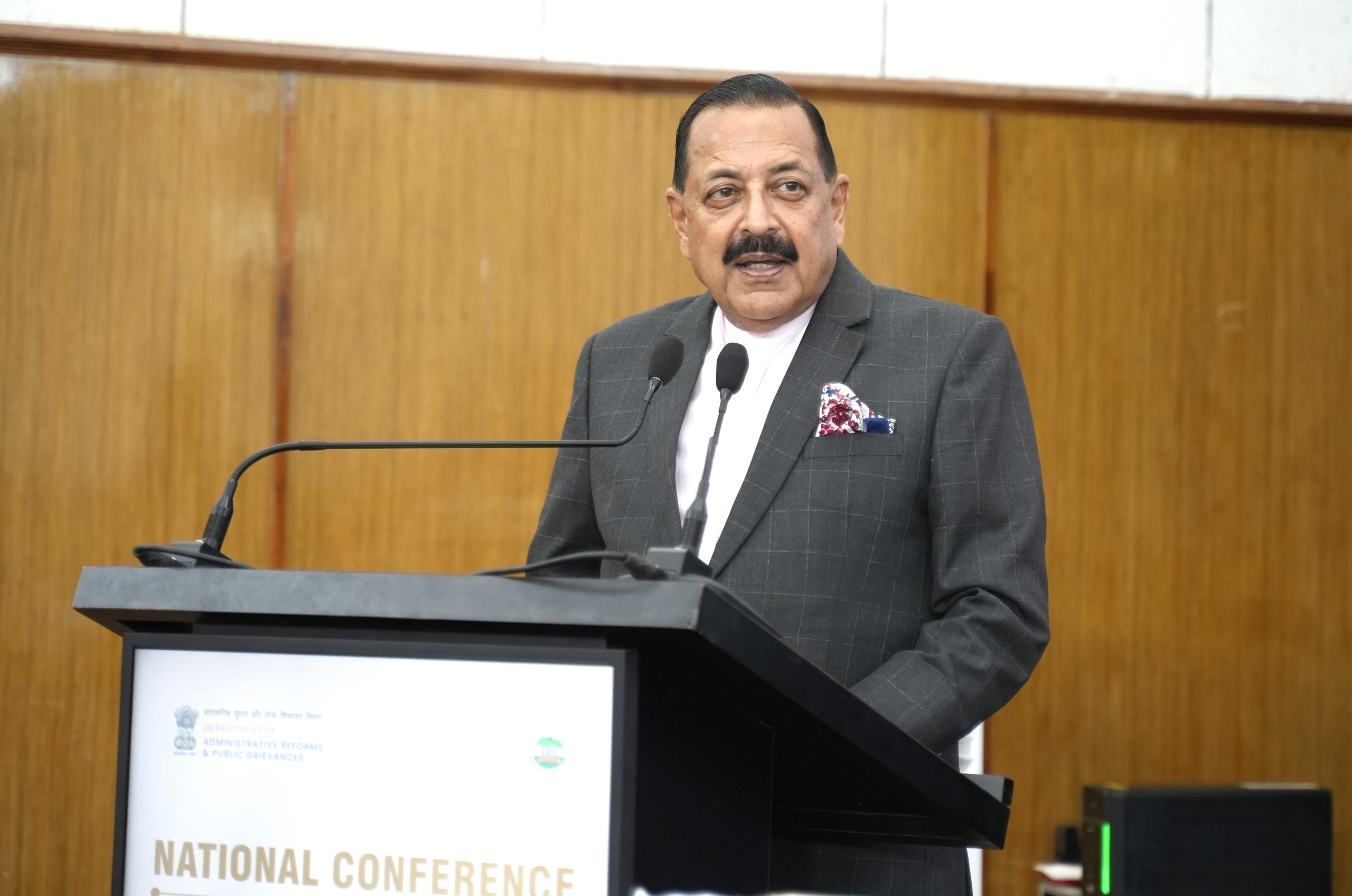
- Dr. Jitendra Singh inaugurates National Conference on e-Governance Reforms in Shillong.
- AI, digital public infrastructure and cybersecurity to drive next-generation governance.
- Minister highlights repeal of nearly 2,000 obsolete rules over the past decade.
- Calls for ‘Shillong Declaration 2.0’ to accelerate governance reforms.
GG News Bureau
New Delhi, 13th July: Union Minister Dr. Jitendra Singh on Monday said India is entering the next phase of governance transformation through AI governance, digital public infrastructure and citizen-centric administrative reforms, as the country moves towards the vision of Viksit Bharat@2047.
Speaking at the inauguration of the two-day National Conference on Next Generation Administrative and e-Governance Reforms in Shillong, the Minister said the government has already undertaken sweeping administrative reforms over the past decade by removing nearly 2,000 obsolete rules and simplifying governance.
The conference has been jointly organised by the Department of Administrative Reforms and Public Grievances (DARPG) and the Government of Meghalaya.
Referring to Prime Minister Narendra Modi’s call for a “Reform Express”, Dr. Singh said the next generation of reforms must integrate Artificial Intelligence, cybersecurity, digital public infrastructure and citizen-focused digital services to create a faster, more transparent and technology-driven governance system.
He said governance under the Modi government has shifted from regulation to facilitation, placing citizens at the centre of policymaking and public service delivery.
Highlighting India’s digital transformation, the Minister said initiatives such as Jan Dhan accounts, Aadhaar-enabled services, Direct Benefit Transfer (DBT) and the Unified Payments Interface (UPI) have fundamentally changed governance. He noted that UPI now processes over 18 billion transactions every month, making India a global leader in digital payments.
Dr. Singh also said the Centralised Public Grievance Redress and Monitoring System (CPGRAMS) has evolved into one of the world’s largest AI-enabled grievance redress platforms, with annual grievances rising from around 2 lakh in 2014 to nearly 25 lakh, reflecting increased public trust.
The Minister highlighted several governance initiatives, including Digital Life Certificates, e-Office, Prashasan Gaon Ki Ore, State Collaborative Initiatives and the National e-Services Delivery Assessment, which have improved transparency, efficiency and last-mile service delivery.
He also cited the Special Campaign for Disposal of Pending Matters and Cleanliness, launched in 2021, which has generated over ₹4,000 crore through scientific disposal of scrap and obsolete materials while freeing nearly 700 lakh square feet of office space.
Calling for greater collaboration among States and Union Territories, Dr. Singh urged governments to adopt best practices and focus on AI-enabled public administration, integrated digital services, evidence-based policymaking and resilient institutions.
Expressing confidence that the conference would culminate in a “Shillong Declaration 2.0”, he said the outcomes would help accelerate India’s governance transformation and strengthen citizen-centric administration in the years ahead.
