
Pentagon Expands Military Deployment as Iran Threatens ‘Father of All Bombs’

By Anjali Sharma
WASHINGTON – Head of the US War department Pete Hegseth on Thursday traveled to Israel, expanded American military deployments and unresolved nuclear negotiations have added urgency to the standoff, with both countries approaching crucial elections.
US and Israel have developed plans for a potentially intensive, 3 day military offensive against Iran after the November 3 US midterm elections, with Tehran warned that any new confrontation could escalate far beyond Washington’s intended timetable.
The proposed campaign would target Iranian energy infrastructure, nuclear facilities and missile and drone capabilities, according to media reports.
US President Donald Trump has not authorized the operation, but military preparations have intensified as Washington seeks to increase pressure on Tehran over its nuclear programme and the Strait of Hormuz.
Iran has responded with warnings of broader retaliation, including a claim by the Islamic Revolutionary Guard Corps that it is preparing to unveil a weapon described as the “father of all bombs”.
Media reports cited American officials and people familiar with military deliberations, reported that the two countries have prepared operational plans for another round of strikes.
Their forces have conducted exercises, including flights over Iraq to practice attack manoeuvres.
US Defense Secretary Pete Hegseth also met Israeli Prime Minister Benjamin Netanyahu during an unannounced visit to Israel on October 19, after discussions about a possible resumption of military operations against Iran.
Some American officials believe concentrated strikes against Iran’s economic and military assets could increase pressure on Tehran to make concessions.
Media reported a campaign lasting about 72 hours, intended to inflict substantial damage without committing Washington to another prolonged offensive.
Trump has kept the final decision open.
The US and Israel came close to launch another offensive earlier this month, but the President opposed proceeding before the American elections.
White House has declined to confirm operational plans, while maintained that Trump is considering options to prevent Iran from acquiring nuclear weapons.
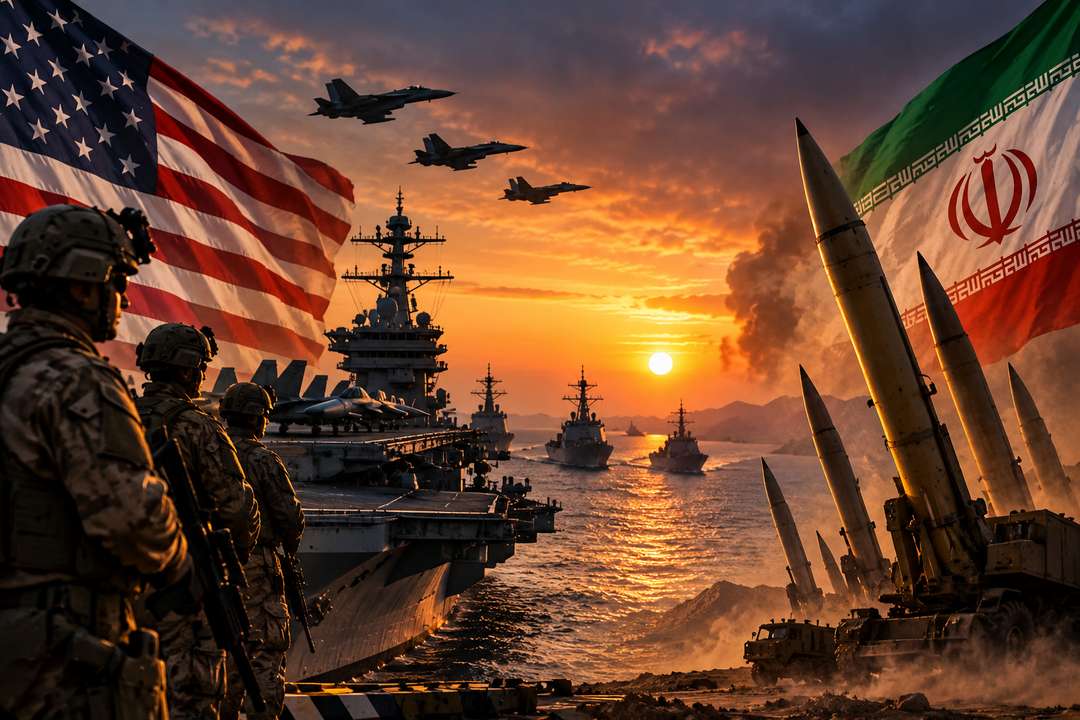
Washington has also expanded its regional military presence, with three aircraft carriers and additional forces expected to be positioned by early November, according to media reports.
Iran’s Islamic Revolutionary Guard Corps has claimed that a new weapon is being prepared for public unveiling, in a statement that follows reports of Washington considering one of its most powerful conventional bombs for use against Iranian targets.
IRGC spokesperson Hossein Mohebbi said the proposed Iranian weapon would be something unfamiliar to its adversaries, according to remarks reported by the Young Journalists Club news agency on October 21.
Tehran has not identified the weapon, disclosed its specifications or announced when it might be unveiled. Its military capabilities therefore remain unknown.
The claim came as Trump considers options that reportedly include the GBU-43/B Massive Ordnance Air Blast bomb, commonly known as the “mother of all bombs”.
The weapon has been discussed in connection with possible attacks on Iran’s deeply buried Pickaxe Mountain nuclear facility.
Military analysts have questioned whether the bomb could destroy installations protected by substantial layers of rock. The aircraft required to deliver it could also face risks from Iranian air defences.
Iranian officials have disputed the assumption that a brief American offensive could force the country to accept Washington’s terms.
Mahdi Mohammadi, a senior adviser to Iranian negotiator Mohammad Bagher Ghalibaf, described the idea of ending renewed hostilities within 72 hours as a “fantasy”, according to media reports.
He warned that Tehran would decide when the conflict ended and suggested that future retaliation could differ significantly from earlier attacks.
Iranian President Masoud Pezeshkian has also acknowledged the severity of the confrontation, describing his country’s predicament as a “super-challenge” during remarks to parliament.
He underscored Tehran’s position that sustained military and economic pressure has not forced it to abandon its resistance.
The risks extend beyond military installations. Iranian warnings have raised the possibility of retaliatory attacks affecting energy facilities, commercial shipping and other regional infrastructure.
Washington continues to seek concessions over Tehran’s nuclear activities and the Strait of Hormuz, a critical maritime route for global energy trade.
The timing of any renewed military campaign is complicated by elections in both the United States and Israel.
Americans will vote in the November 3 midterm elections, while Israel is scheduled to hold its parliamentary election on October 27.
Netanyahu, who leads the Likud party, faces a closely contested election that could alter the political circumstances surrounding any proposed joint operation.
The Israeli Prime Minister has indicated that launching another major attack before his country’s election would be difficult.
The economic consequences of another confrontation also remain a major concern.
The strikes and disruption to shipping in the Strait of Hormuz have contributed to higher energy costs and considerable pressure on regional trade, while military operations have strained American air-defence resources.
The competing strategies remain unresolved: Washington is keeping military action available as diplomatic pressure, while Tehran is warning that any fresh offensive could trigger a wider and more sustained conflict.
Trump’s decision on whether to authorize another campaign remains the central uncertainty.
