
Supreme Court Refuses to Modify Stray Dog Removal Order
Top court cites rising dog bite incidents, warns states of contempt action

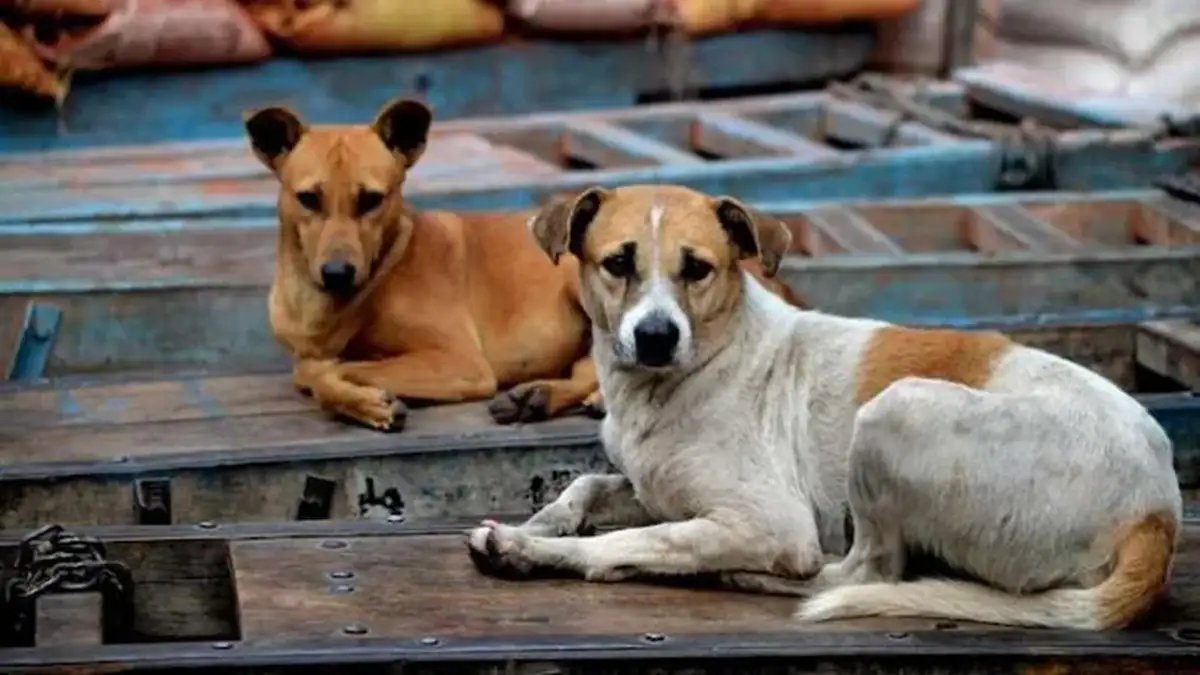
- Supreme Court rejects pleas challenging stray dog removal order
- Court cites rising dog bite cases and attacks on children
- States warned of contempt action over non-compliance
- Bench says citizens have right to live without fear of attacks
GG News Bureau
New Delhi, 19th May: The Supreme Court of India on Tuesday upheld its November 7 order on the removal of stray dogs and rejected petitions filed by animal lovers and non-governmental organisations seeking modification of the directions.
The apex court observed that it could not ignore the growing number of dog bite incidents, including cases involving children being mauled.
During the hearing, the court referred to the Animal Birth Control framework introduced in 2001 and criticised what it described as “gross inaction” in implementing sterilisation and vaccination measures effectively.
The bench noted that the stray dog problem had worsened because authorities failed to expand resources and infrastructure in proportion to the increasing dog population.
The court observed that sterilisation and vaccination drives had been conducted without proper planning, resulting in the objectives of the framework remaining unfulfilled.
“Had the states acted with due foresight, the current situation would not have assumed such alarming proportions,” the court observed.
Referring to recent incidents, the court said 1,084 dog bite cases were reported in a single month in Sri Ganganagar, where children reportedly suffered grievous facial injuries.
The court also noted that Tamil Nadu recorded nearly two lakh dog bite cases in the first four months of the year.
The bench said the State cannot remain a “silent spectator” while citizens, including children, elderly people and international travellers, face attacks by stray dogs.
“The right to live with dignity also includes the right to live freely without fear of harm resulting from dog bite attacks,” the court said.
The Supreme Court further warned that allowing such conditions to continue unchecked could lead to a situation where “survival of the fittest” governs civic life in public spaces, which it described as incompatible with constitutional democracy and the rule of law.
The court directed states, the Centre, the National Highways Authority of India and other authorities to submit compliance reports by November 17.
It also warned that any failure to comply with its directives could invite contempt proceedings, disciplinary action and liability proceedings against state authorities.
