
West Bengal’s Verdict Was Not Just Electoral But It Was a Rejection of Political Arrogance

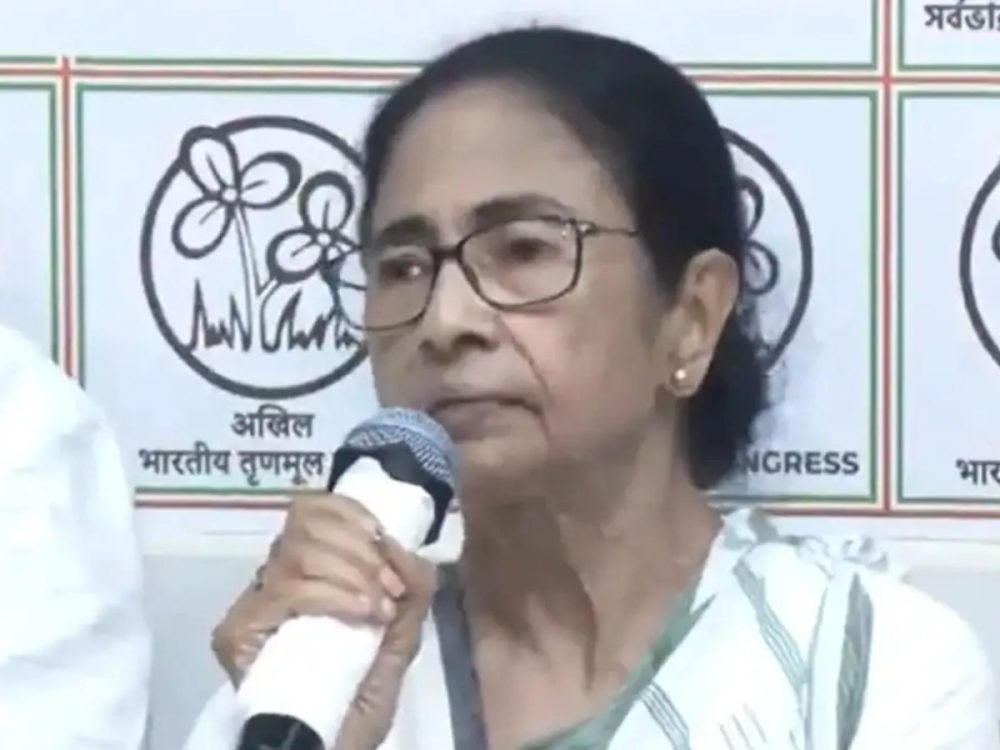
The attack on Trinamool Congress leader Abhishek Banerjee in Sonarpur should be condemned without any hesitation. In a democracy, violence against political leaders is unacceptable, irrespective of party affiliation. Eggs, stones, shoes, physical intimidation and mob behaviour have no place in a constitutional republic.
BJP, now ruling party in West Bengal has also condemned this violence and 5 persons have been arrested in this connection. As we know, PM Shri Narendra Bhai Modi already announced in his last election rally, BJP will not involved in any REVENGE politics on the other hand, many REVENGE stories are in the record of TMC & its govt. Anyone can remember the very rude historic statements of Abhishek Banerji before election result against his opponents in Falta area that he will nor spare any one after election result.
Yet, while condemning the incident, it is equally important to ask a question that many in West Bengal are asking today: Why did such public anger erupt in the first place? if you go in deep, you can find many reasons behind this .Some senior leaders of TMC are saying that KARMA returns ,as Abhishek had done, they are facing same tune. .How he had done many torturous activities against BJP and other opponents in the past, everyone knows.
For last fifteen years, the Trinamool Congress ruled Bengal with extraordinary political dominance. During that period, allegations of political violence, intimidation of opposition workers, extortion through the notorious “cut money” culture, corruption in recruitment, and the suppression of dissent became recurring themes in Bengal’s political discourse. Whether it was the teacher recruitment scandal, huge corruption at every places, RG Kar hospital brutal rape & murder case, the inhumane Sandeshkhali controversy, repeated allegations of attacks on opposition workers, the image of the TMC gradually shifted from that of a grassroots movement to that of an entrenched power structure.
Power often creates the illusion of permanence. The TMC leadership appeared to believe that electoral setbacks were impossible and public discontent could be managed through political messaging. The recent electoral verdict shattered that assumption.
The scenes from Sonarpur were politically symbolic. Abhishek Banerjee, once among the most powerful political figures in Bengal, found himself facing angry crowds, “chor-chor” slogans, and public hostility during his visit to the area. Reports indicate that eggs, stones and shoes were thrown and that women were prominently present among the protesters. Abhishek alleged a BJP-sponsored conspiracy, while BJP leaders denied involvement and argued that the protests reflected spontaneous public anger.
The truth behind the organization of the protest will be established by investigation. But one reality is difficult to ignore: such incidents generally do not emerge in a political vacuum.
For years, the TMC thrived on the politics of confrontation. Opposition parties repeatedly complained that democratic space was shrinking. Political opponents were often portrayed not as rivals but as enemies. Many Bengal voters felt that their grievances were dismissed and their anger ignored. When democratic channels appear ineffective, frustration accumulates beneath the surface.
That frustration appears to have found expression after the change in Bengal’s political landscape.
Ironically, the same leadership that often dismissed complaints of opposition victimisation now finds itself invoking democratic norms and demanding institutional protection. Democracy, however, works best when its principles are applied consistently—not only when one is in opposition.
The events of Sonarpur should therefore serve as a warning to every political party in India. Electoral victories are temporary. Public trust is not. Governments can command police forces, bureaucracies and political machinery, but they cannot indefinitely suppress public sentiment. Eventually, voters deliver their verdict.
The answer, however, is not mob justice.
Those celebrating the attack on Abhishek Banerjee are making a mistake. Democratic accountability must come through elections, courts and constitutional institutions—not through physical intimidation. Today’s victim may have been yesterday’s aggressor, but democracy cannot function on cycles of revenge.
What Bengal witnessed was not merely an attack on a politician. It was a manifestation of accumulated public anger after years of political polarization. The TMC should reflect deeply on why such anger exists. At the same time, Bengal’s new political order must ensure that retribution does not replace governance.
The real lesson is simple: as already mention in our great epic BHAGWAD GEETA-Karma is Power .Power is Karma. Above all KARMA always important & Imminent. So power without humility breeds arrogance, and arrogance eventually invites resistance. The people of Bengal have delivered a political message. Every party would be wise to listen.
