
Chadha’s Anti-Defection Push Returns to Haunt AAP Split
Former AAP leader’s own 2022 proposal could have complicated BJP merger of Rajya Sabha MPs

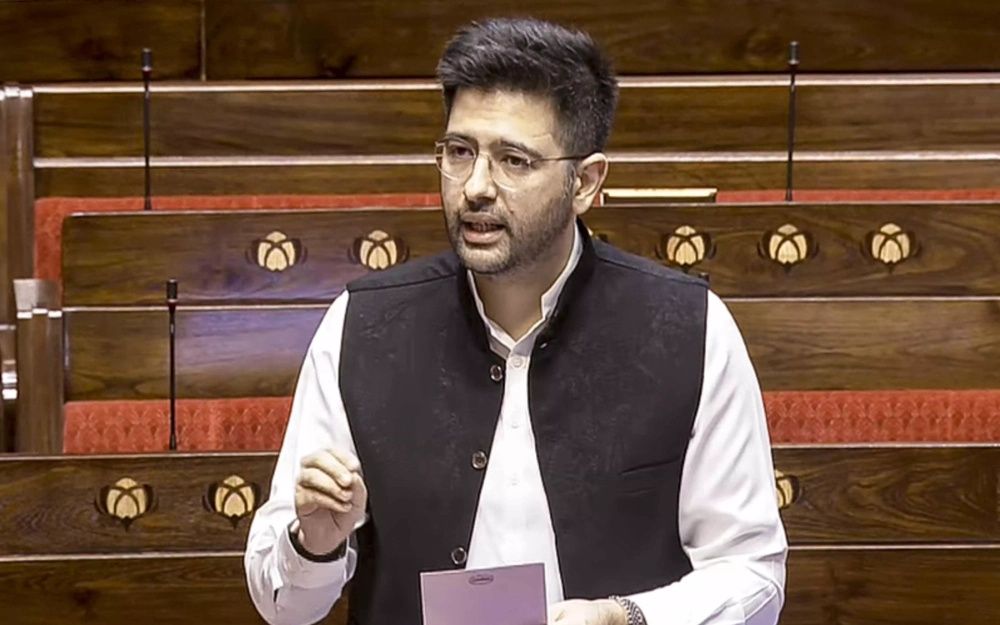
- Raghav Chadha once sought stricter anti-defection rules
- His proposed law would have raised merger threshold from two-thirds to three-fourths
- AAP loses seven Rajya Sabha MPs in major political setback
- Chadha’s switch intensifies scrutiny over party defections
GG News Bureau
New Delhi, 27th April: In a striking political irony, former Aam Aadmi Party leader Raghav Chadha’s own earlier push for stricter anti-defection laws has resurfaced following his dramatic exit from the party along with six other Rajya Sabha MPs.
Chadha’s move to merge with the BJP has left AAP grappling with a severe parliamentary numbers crisis after losing seven of its 10 members in the Upper House.
Under the current anti-defection provisions of the Constitution’s Tenth Schedule, a minimum of two-thirds of lawmakers from a party must support a merger to avoid disqualification. Chadha and six MPs met that threshold.
However, in 2022, Chadha had introduced a private member’s bill proposing a tougher framework that would have raised this threshold to three-fourths and barred defecting lawmakers from contesting elections for six years.
Had that proposal been enacted, at least eight MPs would have been required for a legal merger, potentially complicating the recent political shift.
At the time, Chadha had strongly criticised political defections, calling them harmful to democratic values and warning against “horse-trading” of legislators.
His proposal sought constitutional amendments to tighten disqualification provisions and strengthen accountability for lawmakers switching loyalties.
The resurfacing of this legislative history has added another layer of controversy to Chadha’s departure, with critics highlighting the contradiction between his past reformist stance and present political realignment.
The development has triggered broader debate over anti-defection laws, political ethics and the future stability of party structures in India’s parliamentary system.
