

Poonam Sharma
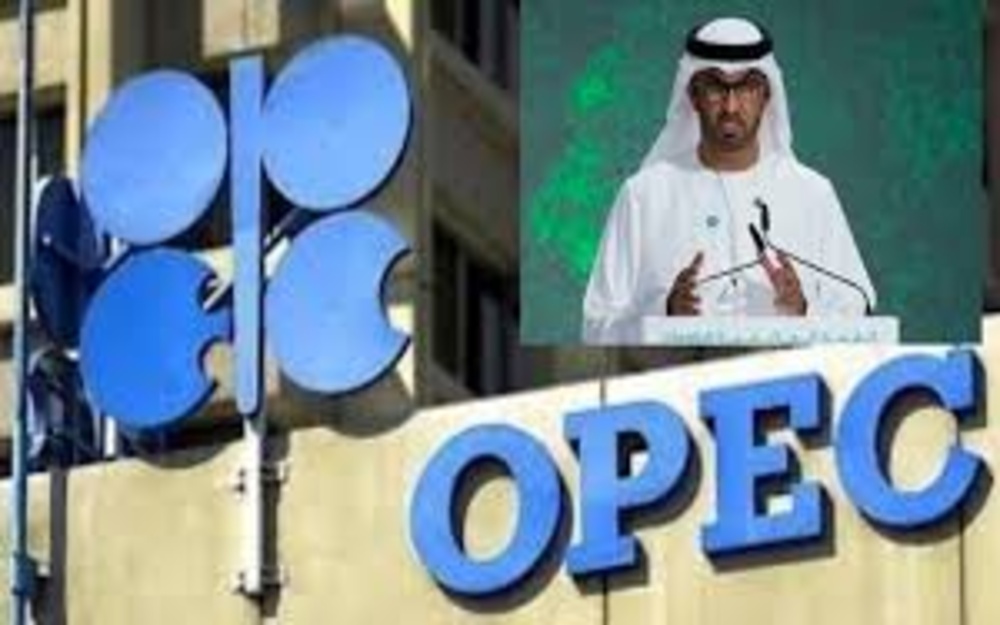
The United Arab Emirates’ changing position on OPEC has become one of the most closely watched stories in global energy politics. On the surface, the move may seem to be about oil production, but it points to something much larger — changing power equations in the Middle East, the future of global energy and the growing desire of countries to fashion independent economic strategies.
For decades, OPEC has played a central role in determining the amount of oil flowing to international markets. When the group cuts production, oil prices tend to climb. And when supply goes up prices often come down. As oil continues to power industries, transport systems and economies around the world, decisions taken by OPEC can affect everything from petrol prices to inflation.
That’s why any move involving a country like the UAE instantly grabs global attention.
What Is OPEC And Why Does It Matter
The Organization of the Petroleum Exporting Countries, better known as OPEC, was founded in 1960 by Iran, Iraq, Kuwait, Saudi Arabia, and Venezuela. It was simple: oil producing countries wanted to have more control over their own resources, rather than Western oil companies controlling the market.
Eventually OPEC became one of the most powerful economic groups in the world. Its member countries work together to coordinate their oil production policies in an effort to stabilize prices and protect their economic interests.
In recent years, the organization has evolved into what is now called OPEC+, which includes non-member oil producers such as Russia. The alliance was more critical than ever after the Russia-Ukraine war shook energy markets worldwide.
Why the UAE’s Position Matters
The UAE is not like any other oil producing nation. It has large proven oil reserves and is important to the world’s energy supply chains. But a small policy change in the country can have ripple effects on international markets.
UAE leaders have stressed officially that the country is looking at long-term economic growth and energy transformation. The UAE has spent years developing non-oil sectors such as tourism, technology, finance, logistics, artificial intelligence and renewable energy.
Dubai and Abu Dhabi have emerged as global business centers, attracting foreign investment and preparing for a future that may not be entirely dependent on fossil fuels.
Yet beyond the official statements, analysts say the UAE’s changing tack has deeper strategic underpinnings.
The Case for More Flexibility
One big factor is financial independence.
OPEC countries are known to agree on limits on production to stabilize prices. But growing oil producing countries sometimes seek greater autonomy to produce and export according to their own economic priorities.
The UAE has invested heavily in improving its oil production infrastructure. Of course it wants the freedom to reap the full benefits of those investments, rather than be hamstrung by collective quotas.
This has sometimes placed strains on the wider OPEC framework.
The Geopolitical Perspective
Energy and geopolitics have always been connected.
Oil-producing countries are not only economic players but strategic powers. The fast-changing global order today sees countries like the UAE delicately balancing relations with the US, China, Russia and Europe, and emerging Asian economies.
Many Gulf countries are following independent foreign policies, unlike before. They are building partnerships across many regions rather than leaning heavily on one global power.
The UAE is reflecting this bigger trend of strategic autonomy by changing its position.
Effects of the Russia-Ukraine Conflict
The Russia-Ukraine war overnight transformed world energy markets.
Western sanctions on Russian oil triggered fears of supply shortages, sending energy prices soaring around the globe. Fuel prices soared, inflation rose and governments came under mounting public pressure.
During this time, OPEC+ decisions became of paramount importance. The United States and European countries repeatedly called on major oil producers to pump more to ease prices.
But OPEC+ mostly stuck to its own production plans, mindful of the long-term interests of member countries.
That highlighted the strength of oil alliances still in place despite growing global pressure for cleaner energy alternatives.
The Large Energy Transition
And the world is slowly turning to renewables. Governments are rethinking energy security in the age of electric cars, solar power, hydrogen fuel and climate policies. Countries dependent on oil know the future may be very different from the past. The UAE seems to be preparing for that future early. It has already spent billions of dollars on clean energy projects and sustainability initiatives. It has hosted international climate events and is increasing investments in renewable energy to remain influential in a changing global energy system.
Is OPEC losing strength?
If more countries start putting their national interests ahead of collective agreements, then OPEC could run into problems within the organisation, some experts believe. Differences over production quotas and pricing strategies have arisen before. But it still has a lot of power thanks to major producers such as Saudi Arabia and Russia. Even today, a small change in oil production from these countries can have an almost immediate impact on global markets.
So, while OPEC may change, it is far from irrelevant.
Conclusion
The UAE’s evolving relationship with OPEC is about much more than oil production figures. It is a microcosm of a larger shift in global politics, economic strategy and the future of energy itself.
Traditional organisations also have to adapt as countries prepare for a world shaped by new technologies, renewable energy and shifting alliances.
But whether the UAE’s move represents the dawn of a new energy order or a mere strategic shift, one thing is certain: global energy politics is entering a new phase — the implications of which will be felt far beyond the Middle East.
