
“Religion Cannot Be Hollowed Out”: SC on Sabarimala
Top court weighs balance between faith and reform while hearing review pleas

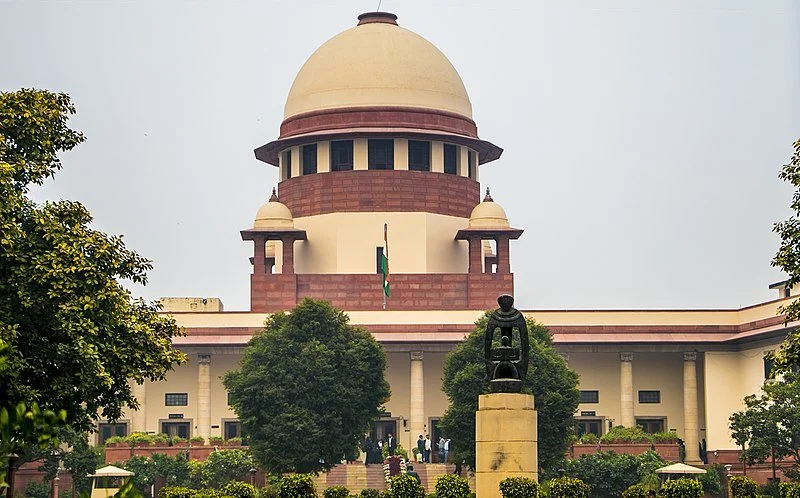
- Supreme Court hears key constitutional questions in Sabarimala case
- Says essential religious practices cannot be removed for reform
- Bench raises concerns over judging beliefs of millions
- Debate continues on religion vs social reform
GG News Bureau
New Delhi, 16th April: The Supreme Court of India on Thursday observed that no religion can be “hollowed out” in the name of social welfare and reform, while hearing petitions seeking a review of its verdict on entry of women into the Sabarimala Temple.
Bench Flags Complex Constitutional Balance
A nine-judge bench led by Chief Justice of India Surya Kant said determining the correctness of beliefs held by millions is among the most difficult tasks for the judiciary.
The court is examining broader constitutional questions, including the balance between freedom of religion under Article 25 and the right of religious institutions to manage their own affairs under Article 26.
Concerns Over Judicial Intervention
Justice M.M. Sundresh and Justice B.V. Nagarathna raised concerns over courts adjudicating matters of faith, especially through Public Interest Litigations.
“We cannot hollow out a religion in the name of social welfare or reform,” Justice Nagarathna observed, cautioning against excessive judicial intervention in religious practices.
Debate on ‘Essential Practices’ Doctrine
Senior advocate Abhishek Manu Singhvi, appearing for the Travancore Devaswom Board, argued that courts should not decide what constitutes “essential religious practices.”
He urged the bench to reconsider the doctrine, stating that such determinations should be left to the religious community rather than external adjudicators.
Background of the Case
In 2018, a five-judge bench had ruled that women of all ages must be allowed entry into the Sabarimala temple, calling the restriction on women aged 10–50 discriminatory.
The current proceedings focus on reviewing that verdict and addressing larger constitutional principles surrounding religious freedom and social reform.
Hearing to Continue
The court is expected to continue hearing arguments on Thursday, with the case likely to shape future jurisprudence on the intersection of faith, equality and constitutional rights.
