
Record Turnout Rewrites Bengal, Tamil Nadu Poll Narrative
Historic voter surge signals shifting ground realities as Phase 1 concludes

By Harshita Rai
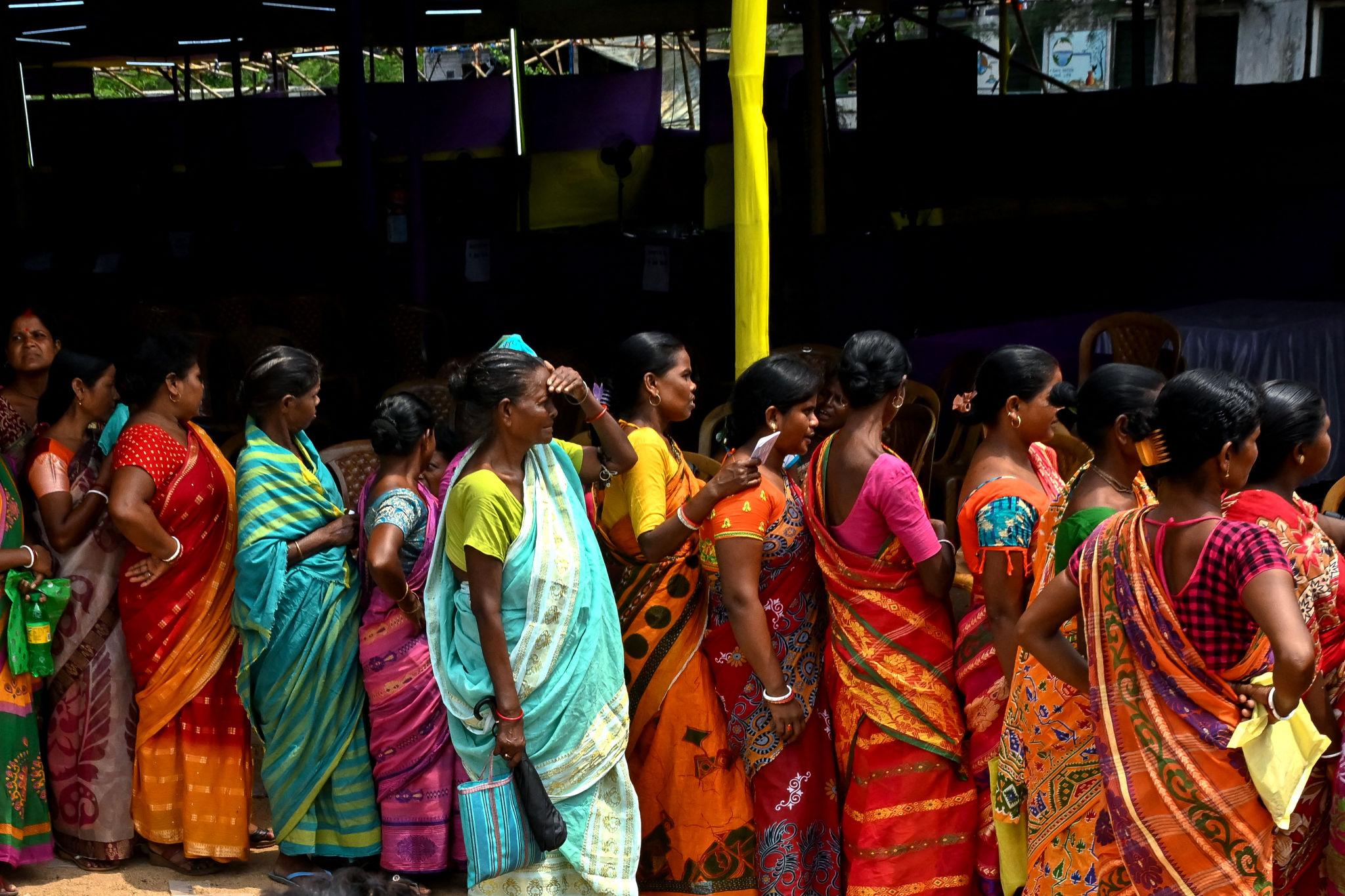
In what could prove to be a defining moment in India’s electoral landscape, Phase 1 of Assembly elections in West Bengal and Tamil Nadu has recorded the highest voter turnout since Independence, signalling an unprecedented surge in public participation.
According to official data, West Bengal registered a striking 91.78 per cent turnout in the first phase, while Tamil Nadu recorded 84.69 per cent — both surpassing their previous records by a wide margin.
This surge is not merely statistical—it reflects a deeper churn in the political consciousness of voters. In Bengal, where elections have historically been marked by intense political contestation, such a turnout suggests a strong voter mobilisation cutting across demographics. Tamil Nadu, known for its structured electoral patterns, has also witnessed a significant departure from past trends.
Gender-wise data further highlights this shift. Female voter participation in both states has not only kept pace with male turnout but, in Tamil Nadu, has exceeded it—indicating a growing assertion of women in electoral decision-making.
The scale of the exercise also underscores the logistical magnitude of the elections. Over 9.33 crore voters across both states were part of this phase, supported by more than 1.19 lakh polling stations and nearly six lakh polling personnel.
Election authorities ensured full webcasting coverage across polling stations, reflecting a push towards transparency and real-time monitoring. Several voter-friendly measures, including redesigned voter slips, mobile deposit facilities, and improved accessibility for persons with disabilities, were implemented to enhance participation.
The implications of this turnout are politically significant. High participation often disrupts established vote banks and introduces unpredictability in outcomes. In tightly contested regions, especially in Bengal’s 152 constituencies, this level of engagement could tilt the balance in unexpected ways.
With the second phase scheduled for April 29 and counting on May 4, the momentum generated in Phase 1 is likely to influence both campaign strategies and voter behaviour in the coming days.
For now, one message stands out clearly: the voter has arrived in full force, and the verdict this time may carry a sharper, more decisive edge.
