
Was the Rajasthan Blast a normal accident or a planned attack?

Poonam Sharma
The strange explosion at a Rajasthan refinery just days before Prime Minister Modi’s visit raises questions about sabotage, conspiracy, and the role of outside and inside forces as India rises in the world of oil refining.
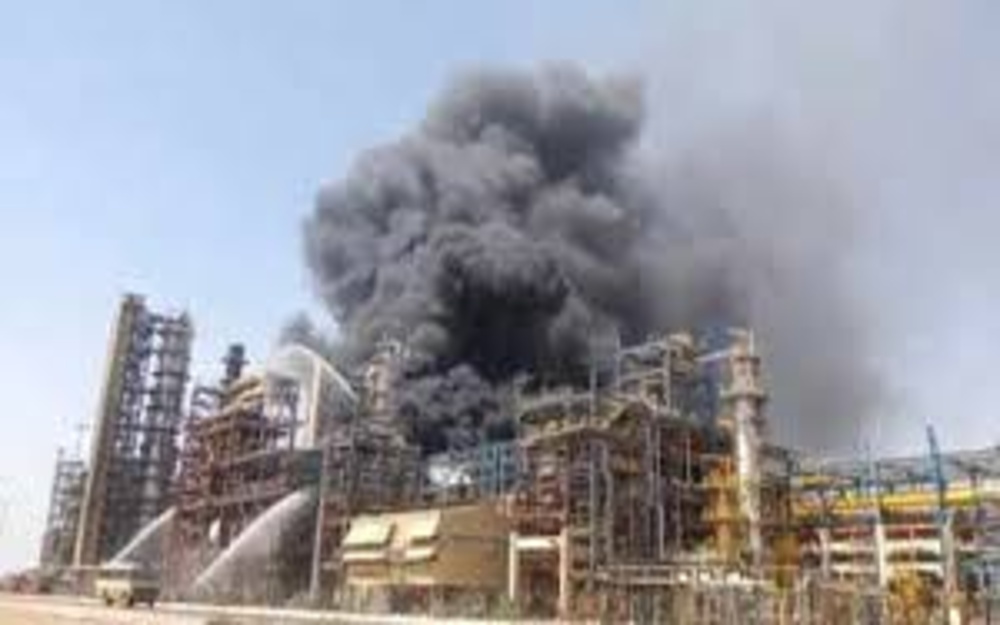
The explosion at the Rajasthan refinery, which Prime Minister Narendra Modi was about to open, has shaken the country’s confidence just as India stands as the world’s third-largest oil refiner. At first, it looked like a simple cylinder explosion, but now it looks like a complicated web of unanswered questions and possible conspiracies.
NIA Airlifted: A Sign of Seriousness
The National Investigation Agency (NIA), India’s top anti-terrorism agency, was sent right away, which shows how serious this situation is. It’s not common for people in the public eye to be involved in industrial accidents, which makes people suspicious about what the blast was and what it was meant to do. Was this an attempt to send a message, stop progress, or show weaknesses before the Prime Minister’s visit?
India’s Rising Oil Might: The Power Play
The energy sector in India is changing quickly. The planned 80,000-crore Rajasthan refinery was supposed to be a key part of the country’s growth story. It would have had several state-of-the-art refineries and a big goal of becoming energy independent. For a country that wants to be less dependent on foreign energy and make a name for itself on the world stage, these kinds of setbacks are more than just accidents; they are blows to the country’s goals.
Global Patterns: Refineries Under Attack
This explosion is part of a disturbing pattern around the world. In the past few years, oil refineries in different countries, such as Romania and Australia, have had strange explosions. Are these events just random, or do they show that some powerful countries are working together to keep things the same, making sure that developing countries stay dependent and never truly independent?
Outside Forces: Who Will Benefit?
Some outside groups may see India’s rise in the power sector as a threat to their own interests. The fact that this explosion happened just days before a big political event makes it seem like people outside of India might want to stop or slow down such progress. There are a lot of hidden motives and secret operations in the world’s complicated energy politics, so sabotage is a possible, though unproven, angle.
Are there any weak links in the internal loopholes?
But conspiracies can’t work without weaknesses inside. The event also suggests that there may have been security, operational, or even collusion issues. Even though the area was cleaned regularly before the Prime Minister’s visit, the explosion happened. This is a major failure for an industry where safety is the most important thing. Investigations must also look into whether internal factors made this disaster possible or helped it happen.
The National Stakes: More Than One Refinery
There is more to this than just one refinery or one event. The message sent to the world is that India is ready, strong, and able to protect its important resources. The explosion, whether it was an accident or planned, is a wake-up call for India to tighten its security measures and take a stronger approach to protecting its progress toward energy independence.
The Road Ahead: We Need to Be Careful and Get Answers
The country is waiting for answers as the investigation goes on. Was this a tragic accident, something that happened because someone wasn’t careful, or a planned act of sabotage meant to hurt India’s energy goals? A clear and thorough investigation is the only way to put doubts to rest and rebuild trust.
India’s path to becoming a developed country is full of problems, some of which are easy to see and some that are not. Every refinery, every pipeline, and every step toward self-sufficiency must be watched over at all times. The blast in Rajasthan is a stark reminder that the stakes are higher than ever. The fight for energy independence is just as much about security as it is about growth.
