
‘No Legislative Vacuum on Hate Speech’: Supreme Court
Top court rules no legislative vacuum exists, signals major shift from active intervention to judicial restraint

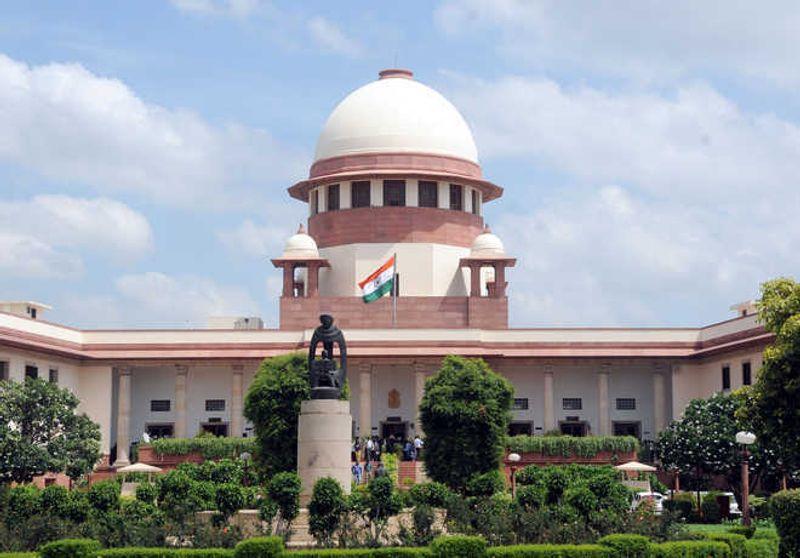
- Supreme Court of India dismisses multiple hate speech petitions
- Court says Bharatiya Nyaya Sanhita adequately covers such offences
- Judiciary declines to create new offences, cites separation of powers
- Marks end of six-year active intervention phase
GG News Bureau
New Delhi, 29th April: The Supreme Court of India has dismissed a batch of long-pending petitions concerning hate speech and alleged state inaction, ruling that existing criminal laws are sufficient to address such offences and that there is no legislative vacuum requiring judicial law-making.
The bench emphasized that while hate speech remains harmful to constitutional fraternity and secular values, it is not the judiciary’s role to create new criminal offences, reaffirming the doctrine of separation of powers.
Citing the implementation of the Bharatiya Nyaya Sanhita (BNS) and Bharatiya Nagarik Suraksha Sanhita (BNSS), the court observed that Parliament has already occupied the legal field concerning hate speech-related offences.
Petitioners were advised to pursue remedies through statutory legal channels and relevant authorities rather than seeking broad judicial monitoring.
The decision marks a significant recalibration in the Supreme Court’s approach after years of proactive intervention, which had included restraining controversial broadcasts, directing police to register suo motu FIRs and closely monitoring communal speech cases.
Legal observers view the ruling as the formal conclusion of the court’s six-year expansive role in hate speech jurisprudence, shifting responsibility back to executive agencies and legislative structures.
One case concerning the alleged 2021 hate crime against a Muslim cleric in Noida will remain under limited judicial monitoring.
