
MP Rajya Sabha Poll Faces Legal Challenge
Jabalpur High Court issues notices to three BJP MPs, EC and Returning Officer over Congress leader's election petition

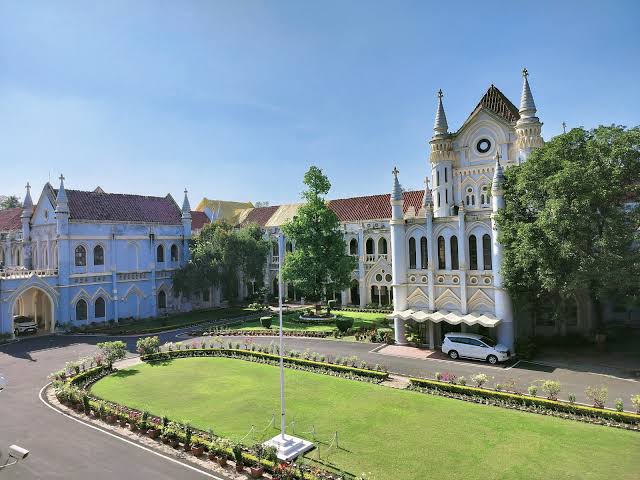
- Jabalpur High Court issues notices to three BJP Rajya Sabha MPs.
- Congress leader Meenakshi Natarajan challenges rejection of her nomination.
- Court also seeks responses from the Election Commission and Returning Officer.
- Next hearing in the case is scheduled for September 11.
GG News Bureau
Jabalpur, 6th Aug: The Jabalpur High Court has issued notices to BJP Rajya Sabha MPs Mahesh Kevat, Tarun Chugh and Rajnish Agrawal, along with the Election Commission of India and the Returning Officer, in connection with an election petition challenging the recent Madhya Pradesh Rajya Sabha election.
The petition was filed by senior Congress leader Meenakshi Natarajan, whose nomination was rejected during scrutiny in June, resulting in all three BJP candidates being elected unopposed. The High Court has fixed September 11 as the next date of hearing.
While the petition directly challenges the election of Mahesh Kevat, the Court has also sought responses from Tarun Chugh and Rajnish Agrawal, as the outcome of the case could affect the legality of the entire uncontested election process. The Court has not made any observations on the merits of the case at this stage.
The dispute arose after the Returning Officer rejected Natarajan’s nomination following a BJP objection that she had failed to disclose details of a pending court matter in Telangana in her election affidavit. The Returning Officer accepted the objection, holding the affidavit to be incomplete.
The Congress alleged that the rejection was legally unsustainable and argued that it effectively denied the party an opportunity to contest for a Rajya Sabha seat.
Before the nomination was rejected, the electoral arithmetic suggested the BJP’s 164 MLAs in the 230-member Madhya Pradesh Assembly were sufficient to secure two Rajya Sabha seats but fell short of independently winning the third. The Congress was expected to contest the final seat through Meenakshi Natarajan. Her disqualification, however, eliminated the need for polling, leading to the unopposed election of all three BJP nominees.
The Congress had initially approached the Supreme Court seeking intervention before the election process concluded. The apex court declined to interfere, observing that disputes relating to rejection of nomination papers should ordinarily be pursued through an election petition after the election process is complete.
The case before the High Court is based on Section 100(1)(c) of the Representation of the People Act, 1951, which provides that improper rejection of a valid nomination can be grounds for declaring an election void. If the Court ultimately finds that Natarajan’s nomination was wrongly rejected, it could reopen the legality of the uncontested Rajya Sabha election, though any decision to invalidate the election will depend on the Court’s final judgment.
