
The Global Gold Rush: Central Banks Turn Their Backs on the Dollar
Why the Central Banks Are Panicking

Poonam Sharma
The Financial Nerves of the World
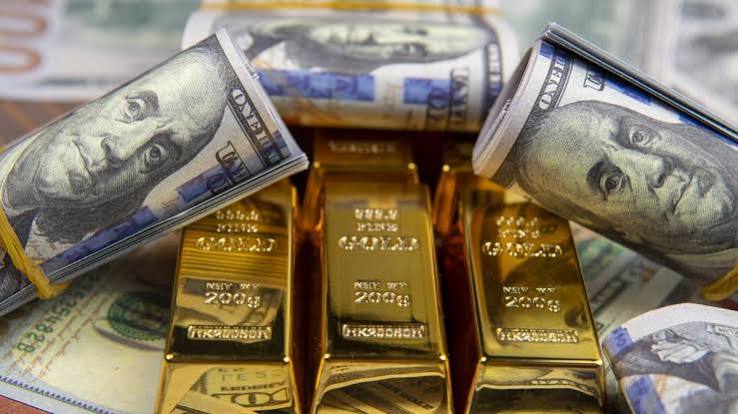
If we pay attention to the financial headlines of the world, something historic is going on. From France to Sweden to India, central banks are quietly, urgently bringing home their physical gold reserves from New York and London vaults—once considered the safest in the world. Why are these conservative institutions, having trusted the Western financial system for decades, now shipping their wealth back home?The answer is at the crossroads of inflation, rising interest rates, geopolitical tensions and an increased mistrust in the dollar-based system that has been the very backbone of global finance since World War
Inflation, dollar conundrum and market swings
Inflation is no longer a specter in the West. The US and Europe are grappling with the highest prices in decades. After years of messaging “don’t worry, it’s transitory,” central banks are frantically raising interest rates — spooking bond markets, sending gold prices swinging wildly, and causing headaches for ordinary savers and portfolio managers alike. fund manager says, “Keep on course for the long term.” But as recent bank collapses, debt ceiling standoffs and wild market swings show, the old rules don’t always work. When the world’s most conservative bankers start to get nervous, it’s time to listen.
The Dollar: Once King, Now Under Attack
The US dollar has served as the anchor of the global financial system for nearly half a century. After the gold standard was broken in 1971, the value of the dollar became a matter of faith, not substance. For decades countries stored their gold and trust in vaults in the US and UK. But now, even America’s closest allies are quietly pulling their gold back. France has withdrawn 1,209 tons of gold in the last year, Sweden and India have repatriated hundreds of tons, even the Reserve Bank of India has repatriated its gold.Why?The world is awash in debt. The US alone owes about $40 trillion and is now borrowing just to pay interest. As rates rise, cracks are starting to show. China, Brazil and India are all cutting their holdings of U.S. Treasuries. Everyone is going to want to be able to get out of this if the music stops.
The New Geopolitics of Oil and the Middle East
The Middle East, however, is on a knife’s edge. Oil prices are flirting with $120 a barrel and the cost of transportation, food and fertilizer are soaring around the world. Inflation is no longer just a number on a screen, it’s a political weapon as America, China and Europe jostle for control of energy routes and resources.If shipments through the Strait of Hormuz or Red Sea are disrupted, prices could leap overnight. Every central bank knows this . Which is why they are accumulating physical gold and unwinding exposure to Western financial instruments .
India’s Gold Wisdom: Ancient Lessons for Modern Times
Remember when Indian families were mocked for buying gold rather than stocks? There’s wisdom in those old ways, it turns out. In 1991, India was forced to literally ship its gold overseas in return for emergency loans during an economic crisis. That humiliation is a national memory – and a lesson: real assets are better than paper promises.The Reserve Bank of India has been quietly adding to its gold reserves and repatriating them in an era of rising global uncertainty. “Our gold is now held in Indian vaults and not abroad, as before.
The Four Warning Signals Connecting the dots:
Middle East Tension: Will Iran, Saudi Arabia Sign Long-Term Deal Or Strait Of Hormuz Blocked? Global Oil Could Spike, Creating Inflation, Market Shocks
US Debt Spiral: The more dollars the US prints to pay interest on old debt, the more the world will lose faith in the dollar.
Negative Real Rates: If banks around the world keep interest rates artificially low, savers lose and the rush to real assets (gold, land) accelerates.
Movements of European Gold: If the European central banks that recently took their gold home begin to send it back, then maybe the crisis is averted. If not, stay alert.
What Should an Investor Do?
Paper assets alone look riskier today. If the most conservative financial institutions in the world are piling into physical gold, maybe it’s time for individual investors to learn our grandmothers’ lessons: diversify into hard assets, minimize exposure to dollar-dependent markets, and prepare for volatility.
Conclusion: Ancient Wisdom for a Modern World
Something new is arriving – no more “paper promises”, back to “real value”. The dollar may not be king forever. Central banks around the world are getting ready for a future. As an investor, or as a person wanting to preserve family wealth, this is a time to listen to the old wisdom, and stay alert. The global gold rush is a sign: something big is up and it pays to be ready.
