
Supreme Court to Hear Delhi Protest Pleas on Sunday
Petitions seek contempt action over alleged metro restrictions and release of opposition leaders, lawyers and journalists detained during protests

GG News Bureau
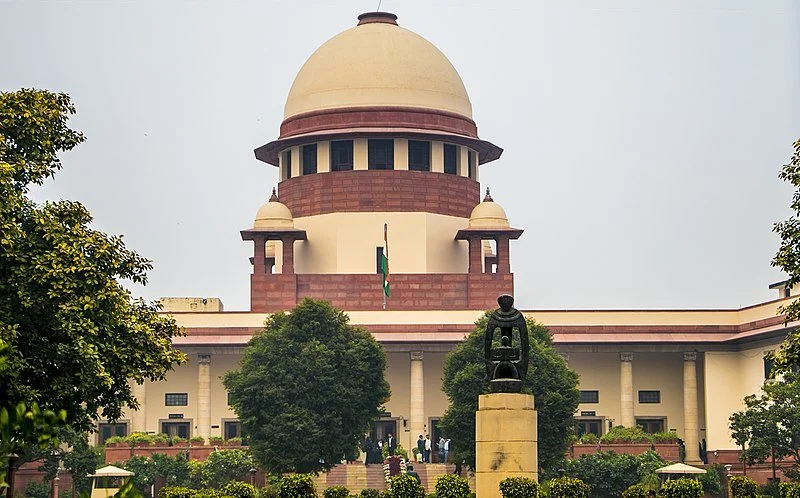
New Delhi, 10th Oct: The Supreme Court will hold a special hearing on Sunday on two petitions linked to police action and restrictions on public transport during protests in Delhi. One plea seeks contempt proceedings against authorities for allegedly violating the court’s directions, while another challenges the preventive detention of opposition leaders, lawyers and journalists.
A bench comprising Chief Justice of India Surya Kant and Justices Joymalya Bagchi and V. Mohana is scheduled to hear the matters.
The petitions come after the Supreme Court’s October 9 order directing the Centre to ensure there was no “complete prohibition” of metro and train services connecting Delhi in view of protests announced for October 10.
Contempt Plea Alleges Violation of Court Order
Advocate Shailendra Mani Tripathi has filed a contempt petition naming Union Home Secretary Govind Mohan, Delhi Police Commissioner Anurag Kumar and Delhi Metro Rail Corporation (DMRC) chairperson D. Thara as respondents.
The petition alleges that authorities continued to shut metro stations and restrict train services despite the court’s directions. It argues that the alleged non-compliance infringed citizens’ fundamental rights and amounted to deliberate disobedience of the Supreme Court’s order.
The plea, filed through advocate Chand Qureshi, seeks contempt proceedings against the officials concerned. The allegations are yet to be adjudicated by the court.
Habeas Corpus Plea Challenges Detentions
The second petition challenges the preventive detention of opposition leaders, lawyers and journalists during the protests and seeks their release through a habeas corpus proceeding.
The Sunday hearing is expected to address the legal challenges raised in the petitions concerning compliance with the court’s earlier directions, restrictions on public transport and the legality of the detentions.
