

By Anjali Sharma
WASHINGTON – Iran on Monday has claimed that the US has accepted some of its 7 conditions for reopening the Strait of Hormuz, but warned that Washington’s response remains inadequate and that Tehran will not restore the previous terms of engagement.
Tehran has demanded to end to the US naval blockade and restrictions on Iranian oil exports.
Qatar has acted as an intermediary in efforts to resolve the impasse over the strategic shipping route.
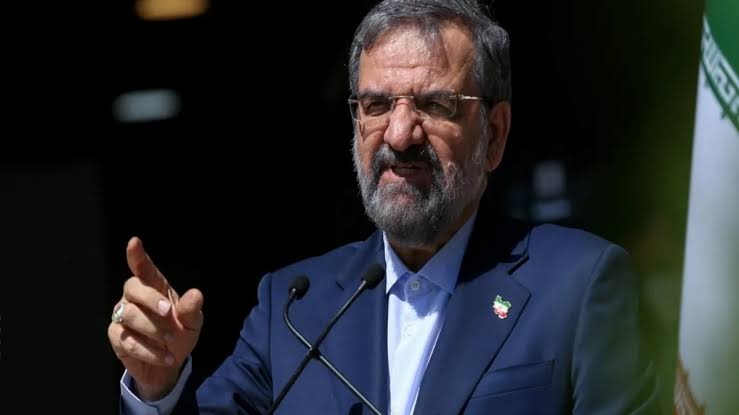
Mohsen Rezaei, Secretary of Iran’s Supreme National Security Council, said the American response fell short of Tehran’s expectations despite indications of agreement on certain demands.
In a post on X on Sunday, Rezaei said, “The U.S. has agreed to some of Iran’s seven conditions, but we consider its response INADEQUATE. Iranian diplomacy has changed, and there will be no return to the status quo ante.”
The statement signals that Iran remains unwilling to resume negotiations or ease restrictions on the strategic waterway without further concessions from Washington.
Rezaei did not specify which conditions the United States had accepted.
Iran has tied the reopening of the Strait of Hormuz to a series of demands aimed at securing changes to US military and economic measures against Tehran.
The conditions are an end to the American naval blockade and restrictions affecting Iranian oil exports.
Tehran conveyed its proposal through Qatari mediators during diplomatic exchanges aimed to end the conflict.
The plan offered to restore normal maritime traffic within seven days if Washington met the stipulated conditions.
Iranian Parliament Speaker Mohammad Bagher Ghalibaf stressed that the waterway would remain closed until the US fulfilled Tehran’s demands.
Ghalibaf linked the 7 conditions to a 14-point memorandum of understanding reached in June and said proposals subsequently conveyed by Washington through intermediaries had not altered Iran’s position.
The Strait of Hormuz is a vital maritime corridor through which approximately one-fifth of the world’s oil and liquefied natural gas supplies passed before the conflict began in late February.
The restrictions have disrupted energy shipments and added pressure to global oil markets.
The diplomatic impasse came as US President Donald Trump has warned that Iran could intensify its actions against Washington before the November 3 midterm elections.
Trump at political event in Tennessee on Saturday, suggested that Tehran might attempt to increase pressure on his administration ahead of the vote.
“They’ll probably do a little bit extra before the election, thinking it’s going to hurt us,” Trump said.
He also asserted that the United States could bring the conflict to a swift conclusion.
“But we could end it really quick,” he said.
Trump defended his administration’s approach towards Tehran despite extensive US military operations against Iranian naval forces.
“They don’t know how nice I’ve been to them,” he said.
He also claimed that 159 Iranian vessels had been sunk since the conflict began in late February.
The latest exchanges underscored the distance between the two countries’ positions, even as messages continue to pass through regional intermediaries.
Iran insisted that Washington must fully address its conditions before negotiations can resume, while the US has yet to publicly confirm which demands, if any, it has accepted.
