
Pakistan Suffers $40 Billion Losses After India Trade Halt
Pak-India Business Council chief urges restoration of commercial ties, citing higher import costs and losses to key industries

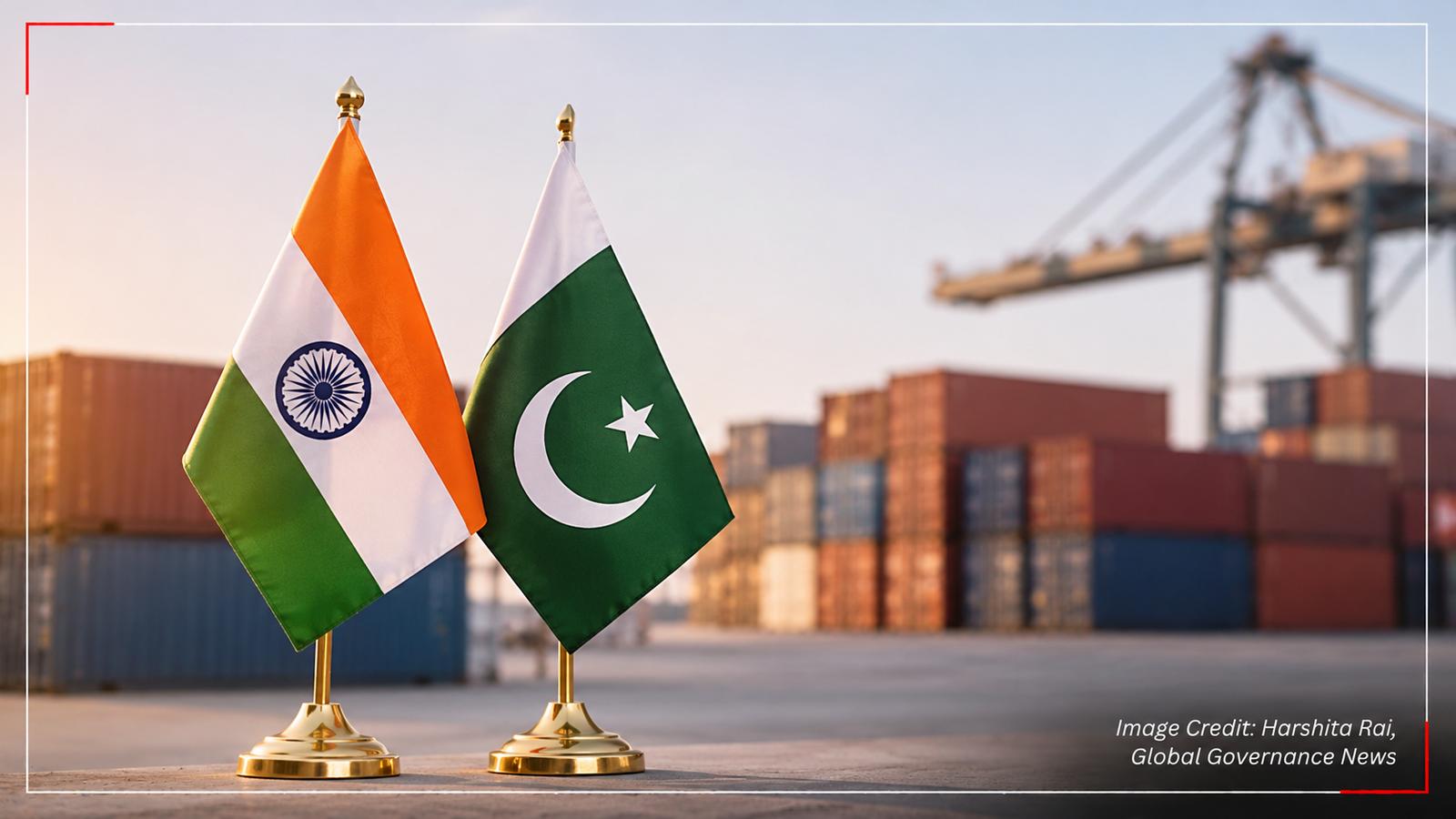
- Pakistan business leader estimates $40 billion in losses since 2019.
- Pharmaceutical imports from India could save $2–3 billion annually, he claims.
- Textile sector allegedly incurred $5 billion in additional cotton costs.
- Qasuri urges restoration of trade, investment and tourism links.
GG News Bureau
Islamabad, 3rd Nov: Pakistan has suffered an estimated $40 billion in losses since trade with India was suspended in 2019, according to Noor Muhammad Qasuri, chairman of the Pak-India Business Council, who has called for the restoration of bilateral commercial ties.
In a statement on Monday, Qasuri said the India-Pakistan trade suspension had forced Pakistani businesses to source essential raw materials and other goods from distant markets, increasing freight expenses, transportation costs and delivery times.
He said Pakistan’s pharmaceutical industry had traditionally depended on India for certain raw materials and that resuming imports could generate annual savings of $2 billion to $3 billion.
The textile sector, another major contributor to Pakistan’s economy, had also faced additional costs amid declining domestic cotton production. According to Qasuri, textile mills were compelled to source cotton from Brazil, Egypt, China and the United States, resulting in an estimated additional expenditure of $5 billion.
He said Pakistan was also importing sugar, fertiliser, cement, petroleum products, iron and steel, vegetables and heavy machinery from distant markets despite India’s production capacity in these sectors.
Qasuri argued that restoring trade could reduce transportation costs and improve supply chains. He particularly pointed to the geographical proximity of Indian oil refineries, saying petroleum imports from India could potentially be cheaper and faster.
He also expressed concern over the shrinking area under cotton cultivation in Pakistan. Farmers in traditional cotton-growing regions were increasingly shifting to sugarcane, affecting the textile industry and the wider economy. He called for improved agricultural policies to revive domestic cotton production.
Beyond merchandise trade, Qasuri said renewed commercial engagement could create opportunities in investment, tourism and regional cooperation. He suggested that Pakistan could attract Indian visitors interested in religious and historical sites, as well as ancestral homes and villages.
Referring to India’s financial assistance to Sri Lanka during its economic crisis, he said neighbouring countries could benefit from supporting one another during difficult periods.
Qasuri maintained that political differences should not prevent both countries from exploring economic opportunities and called for outstanding disputes to be addressed through dialogue.
He also cited shared historical, cultural and family connections between the two countries as a possible foundation for improving relations.
