

By Anjali Sharma
WASHINGTON – Israeli Prime Minister Benjamin Netanyahu on Monday pressed US President Donald Trump to resume military strikes against Iran immediately after the November 3 midterm elections, although Washington pursues diplomatic efforts to restart negotiations with Tehran, according to media reports.
Media reported that Netanyahu urged fresh US strikes against Iran after November 3, while Trump favours giving diplomatic negotiations more time.
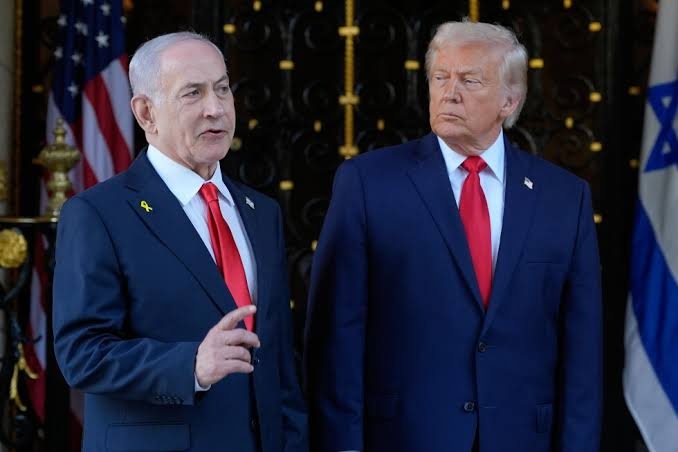
Both leaders discussed the future of US military operations and negotiations with Iran during a telephone conversation on Saturday.
Media cited American and Israeli sources, reported that Netanyahu favours a rapid return to military action, while Trump wants to give diplomacy more time.
The disagreement came as Washington maintains preparations for possible renewed strikes, raising questions about whether the US elections could mark a turning point in the conflict.
The November 3 elections have become an important marker in Washington’s calculations over the next phase of the Iran conflict.
Trump has kept open the possibility of renewed military operations after the vote, while resisting an immediate return to major combat.
Netanyahu, voiced concern that continued negotiations could delay military action against Iranian nuclear and military targets.
The conflict has contributed to pressure over fuel prices and living costs in the US, making another escalation a potentially contentious issue for the administration because of the timing of the mid tern polls.
They focused on the status of US negotiations with Iran and whether military operations should resume.
An Israeli source described the discussion as “tough”, while an American source called it “direct”, media reported.
Trump presented a more positive account when speaking to reporters in Iowa on Sunday.
He described the conversation as very good and confirmed that Iran had been discussed, without revealing details.
The White House and Netanyahu’s office declined to comment on the media account.
Trump had indicated that negotiations were progressing, saying they were “going fine” and that he was not “in much of a hurry” to resume strikes.
He maintained that the US still needed to address one or two Iranian nuclear sites, referring specifically to Pickaxe Mountain, a suspected facility built into a mountain.
The remarks underlined Washington’s continuing willingness to consider military action even while diplomatic contacts remain active.
The latest disagreement follows months of conflict and unsuccessful attempts to establish a diplomatic framework acceptable to both Washington and Tehran.
The US has pursued military operations alongside attempts to negotiate an agreement involving Iran’s nuclear programme.
One of the central obstacles is the sequence of concessions required to restart formal talks.
Iran has sought relief from the US naval blockade, access to frozen funds and permission to resume oil sales before entering renewed nuclear negotiations.
Washington wants Iran to return to nuclear discussions before receiving sanctions relief.
Both side has publicly accepted the other’s proposed sequence, leaving mediators with the task of finding a basis for renewed engagement.
Despite the uncertainty, recent contacts suggest that the diplomatic channel has not closed.
US Vice President JD Vance sent a letter to Iranian national security chief Mohsen Rezaei last week addressed the possibility of restarting negotiations.
The communication represented the most senior-level American outreach to Tehran in several months, according to Axios.
Qatari mediators also met Iranian officials on Sunday for a third consecutive day to explore an agreement that could lead to direct US–Iran talks.
Iranian Foreign Minister Abbas Araghchi said no agreement had been reached and that progress depended on Washington answering Tehran’s outstanding questions.
Araghchi said Iran remained committed to finding a diplomatic solution and expressed hope that the US would choose negotiations over further confrontation.
The diplomatic activity has therefore produced renewed engagement, but not a breakthrough.
The immediate focus is whether Washington and Tehran can agree on the conditions necessary to restart direct negotiations.
The November 3 midterm elections provide another important reference point, given the reported Israeli push for renewed strikes immediately afterwards.
Any decision to resume military operations would also raise questions about Iran’s response and the wider consequences for regional security and energy infrastructure.
