
EC Allows Form 6 for Voters Missing from Draft SIR Rolls
Commission clarifies that previously enrolled voters can seek fresh inclusion without automatic prosecution under Section 31

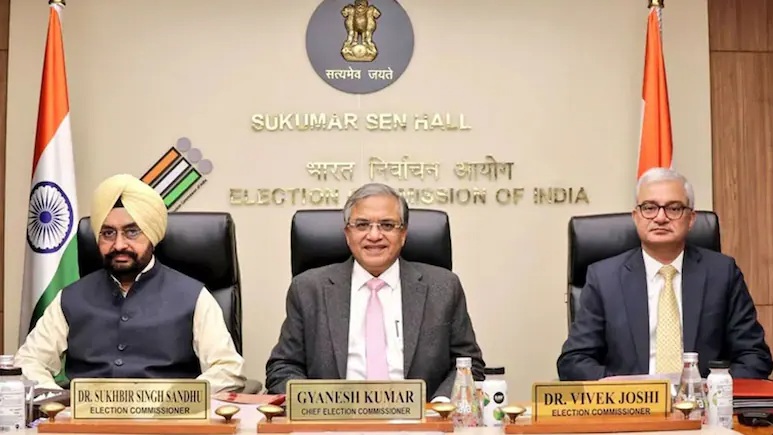
- EC allows previously enrolled voters missing from draft SIR rolls to apply through Form 6.
- Form 6 submission alone will not trigger prosecution under Section 31.
- Protection applies if the applicant is not enrolled in another constituency.
- Commission asks states and UTs to publicise the clarification widely.
GG News Bureau
New Delhi, 4th Nov: The Election Commission of India (ECI) has clarified that voters whose names are missing from the draft electoral rolls published during the ongoing Special Intensive Revision (SIR) can apply for inclusion through Form 6, even if they were registered voters earlier.
In a letter dated November 3 addressed to the Chief Electoral Officers of all states and Union Territories, the commission said submitting Form 6 in such cases would not, by itself, constitute a false declaration or invite prosecution under Section 31 of the Representation of the People Act, 1950.
The clarification seeks to address concerns among previously enrolled voters who were omitted from the draft rolls. They had reportedly been hesitant to submit Form 6 because the application carries a declaration stating that the applicant is seeking inclusion in the electoral roll for the first time.
The commission clarified that voters missing from the draft electoral roll must seek inclusion afresh, irrespective of whether they had been enrolled previously. It also directed that Electoral Registration Officers should not initiate action under Section 31 merely because an applicant’s name appeared in an earlier electoral roll before the person submitted Form 6 during or after the SIR process.
However, the protection is subject to the condition that the applicant is not already enrolled in another parliamentary or assembly constituency and that the declaration otherwise complies with the law.
The ECI cited an October 14 Delhi High Court judgment in Nilotpal Datta & Anr. v. Election Commission of India & Ors. The petitioners in the case had argued that submitting Form 6 would require them to make a false declaration because they were not first-time voters. The court observed that their apprehension was misplaced and closed the proceedings, allowing them to submit Form 6 for consideration in accordance with law.
The commission also stated that the relevant declaration in Form 6 had been in force since August 1, 2022, and that seeking inclusion after omission from the draft roll serves the purpose of fresh enrolment under the SIR process.
The clarification comes amid growing political criticism of the SIR exercise and concerns over the use of Form 6 to restore names omitted from draft electoral rolls.
The Congress dismissed the EC’s clarification as “word games” and alleged that it failed to address what the party described as fundamental flaws in the revision exercise. The party also accused the process of being designed to exclude voters.
The Form 6 issue has also reportedly triggered objections within the Election Commission. Election Commissioners Sukhbir Singh Sandhu and Vivek Joshi had earlier questioned the insertion of an additional SIR-related declaration into the online Form 6 application. They reportedly argued that changes to a statutory form required a formal amendment and could not be introduced unilaterally.
Sandhu described the change as “unauthorised/illegal”, while Joshi raised concerns over the absence of a legal amendment. The additional declaration sought details about whether applicants or their parents or grandparents had been included in electoral rolls during the previous intensive revision.
The latest clarification specifically addresses the possibility of prosecution for previously enrolled voters submitting Form 6 after their names are missing from draft rolls. The letter was signed by Sandeep Kumar, Under Secretary to the Election Commission, and directs Chief Electoral Officers to publicise the clarification widely, including in local languages.
