
Bihar to Introduce Regional Languages in Classes 1 and 2
Six languages, including Maithili, Bhojpuri and Magahi, will be offered from the next academic session to promote mother-tongue-based learning.

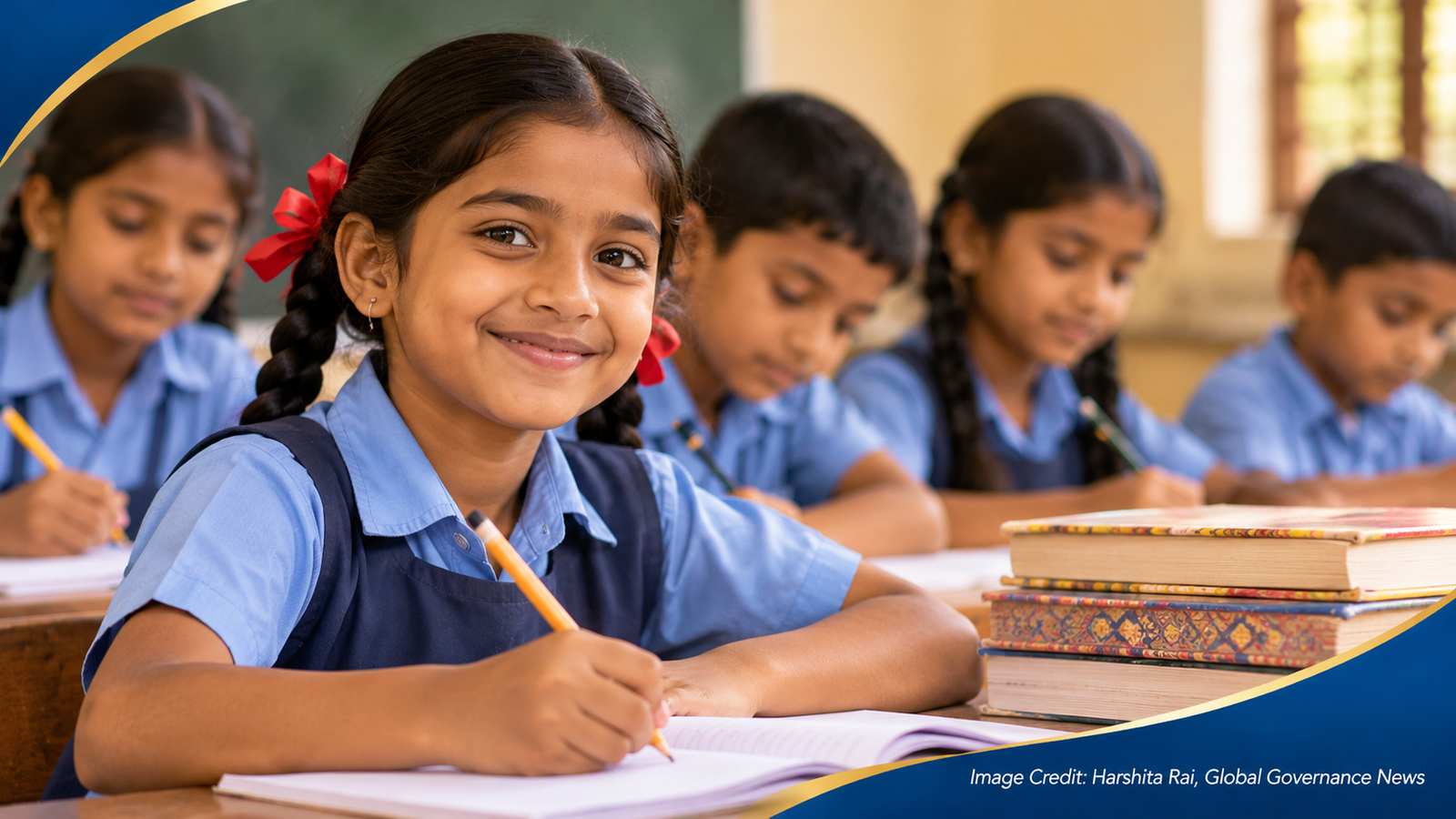
- Bihar to introduce regional languages in Classes 1 and 2.
- Six languages, including Maithili, Bhojpuri and Magahi, to be offered.
- SCERT preparing textbooks with teachers and language experts.
- Programme planned for expansion to Classes 3 to 5.
GG News Bureau
Patna, 5th Nov: Bihar regional language education is set to receive a boost, with the state government deciding to introduce regional languages as a subject for students of Classes 1 and 2 in all government schools from the next academic session.
The initiative aims to encourage mother-tongue-based learning in line with the National Education Policy (NEP) 2020. Students will be able to choose from six languages: Maithili, Bhojpuri, Bajjika, Magahi, Surjapuri and Angika.
The State Council of Educational Research and Training (SCERT) has been tasked with preparing textbooks in all six languages. State Education Minister Mithlesh Tiwary said the decision was taken in accordance with NEP 2020 and that the programme would later be extended to Classes 3 to 5.
SCERT Director Yatendra Kumar Pal said textbooks for Classes 1 and 2 are currently being developed with the support of teachers and language experts. The books are expected to be introduced in the upcoming academic session.
Jainendra Kumar Dost, an SCERT lecturer and coordinator of the textbook development workshops, said one workshop had already been conducted, while two more were planned to finalise the content.
The initiative follows the recommendations of NEP 2020 and the National Curriculum Framework (NCF) 2023, which emphasise learning in a child’s familiar language during the early years of schooling.
Education experts involved in the project believe that learning through regional languages can help young children understand concepts more easily, participate confidently in classroom activities and adjust better to the school environment.
The move is also expected to strengthen children’s connection with local culture, traditions, festivals and everyday life while supporting linguistic diversity.
