
India Brings Back 274 Fugitives Since 2019
Government says fugitives were returned from 36 countries as technology, global coordination and legal measures intensified

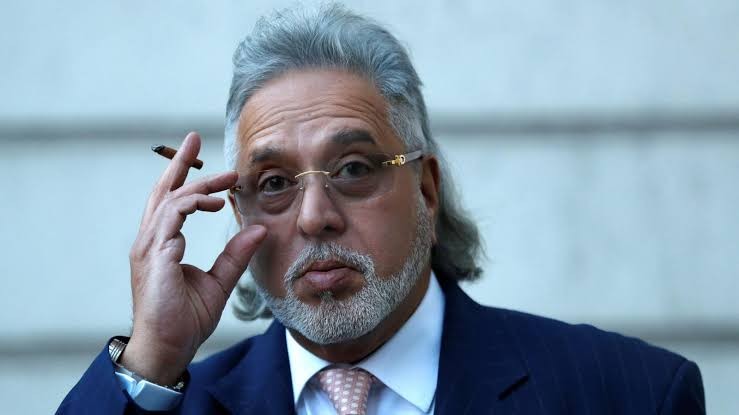
- 274 fugitive criminals brought back from 36 countries between 2019 and July 2026.
- 70 fugitives returned in 2025, the highest annual figure during the period.
- Assets worth ₹17,874 crore belonging to fugitives were attached under PMLA.
- BHARATPOL has connected more than 1,400 Central and state agency units with the international policing framework.
GG News Bureau
New Delhi, 4th Aug: India brought back 274 fugitive criminals from 36 countries between 2019 and July 2026, as the Centre intensified international coordination, legal action and technology-driven efforts to track offenders wanted in the country, the government said on Tuesday.
According to official data, the fugitives brought back include people wanted for terrorism and anti-national activities, organised crime, murder, sexual offences, narcotics trafficking, financial crimes, human trafficking, cybercrime and other offences.
The annual number increased from nine in 2019 and seven in 2020 to 23 in 2021, 40 in 2022, 37 in 2023 and 43 in 2024. The figure rose to 70 in 2025, while another 45 fugitives had been brought back by July 2026.
Among the 274 cases, 62 involved murder, robbery or other violent crimes, 53 involved sexual offences, rape or POCSO cases, and 42 were linked to organised crime, gangsters or extortion. Another 17 involved terrorism, anti-national activities or narco-terrorism.
The government said the number of INTERPOL Red Corner Notices has risen substantially, with 40 issued in 2022, 100 in 2023, 107 in 2024 and 112 in 2025. It said 182 notices had already been issued in 2026, while Red Corner Notices against 401 fugitive criminals were issued over the past three years.
The Centre has also launched BHARATPOL, integrating the CBI, state police headquarters and other investigating agencies. More than 1,400 units of Central and state agencies have been connected through the platform to speed up information exchange and international coordination.
Under Operation Trishul, agencies are using satellite inputs, surveillance, digital footprints and profile mapping to locate fugitives who have allegedly changed their names or identities while hiding abroad.
The government cited the extradition of Tahawwur Hussain Rana from the United States as a major example of its legal and diplomatic efforts in complex terrorism cases.
According to the government, assets worth ₹17,874 crore belonging to fugitive criminals were attached between 2019 and 2026 through enforcement of the Prevention of Money Laundering Act. It also reported restitution amounting to ₹18,762 crore during the period, including funds recovered from economic offenders who had fled India.
The government said the Fugitive Economic Offenders Act, amendments to the NIA and UAPA laws, and provisions in the new criminal laws have strengthened the legal framework. Sections 355 and 356 of the Bharatiya Nagarik Suraksha Sanhita provide for trials in absentia in specified circumstances.
A Standing Focus Group under the Multi Agency Centre was also constituted in January 2026 to prioritise fugitive cases, standardise dossiers, bridge information gaps and coordinate follow-up with foreign partners.
