
India-New Zealand FTA gives zero tariffs for Indian exports, $20 billion investment push

By Anjali Sharma
WASHINGTON – Indian exporters gained duty-free access to New Zealand’s entire tariff schedule on Tuesday as a free trade agreement between the two countries came into force, removing import duties on Indian goods and opening new opportunities for businesses in sectors ranging from textiles and footwear to pharmaceuticals and engineering.
India has excluded 30 per cent of its tariff lines from concessions, protecting dairy and other sensitive sectors, while both countries target NZ$7 billion in bilateral trade by 2030.
The agreement also includes a commitment by New Zealand to facilitate $20 billion in investment into India over 15 years.
The investment provision is expected to support manufacturing, infrastructure, services and emerging technologies as the two countries seek to expand their economic partnership.
Indian manufacturers, the immediate benefit is the removal of New Zealand’s tariffs, reached up to 10 per cent on several products.
Textiles, garments, leather goods, footwear, engineering equipment and processed foods are among the sectors expected to benefit from improved price competitiveness.
Smaller manufacturers and labour-intensive industries could gain from the wider market access, although actual export growth will depend on demand, production capacity and compliance with the agreement’s rules of origin.
The agreement provides unequal tariff concessions, with New Zealand eliminating duties across all its tariff lines for qualifying Indian goods, while India has retained protection for several sensitive industries.
India has offered preferential access on approximately 70 per cent of its tariff lines, with nearly 30 per cent excluded from concessions.
Dairy products, including milk, cheese, yoghurt and whey, remain outside the tariff concessions. Several agricultural products, including onions, pulses, sugar and edible oils, also retain protection.
New Zealand exporters, tariff concessions on covered products will take effect through a combination of immediate reductions, phased cuts and tariff-rate quotas, depending on the product category.
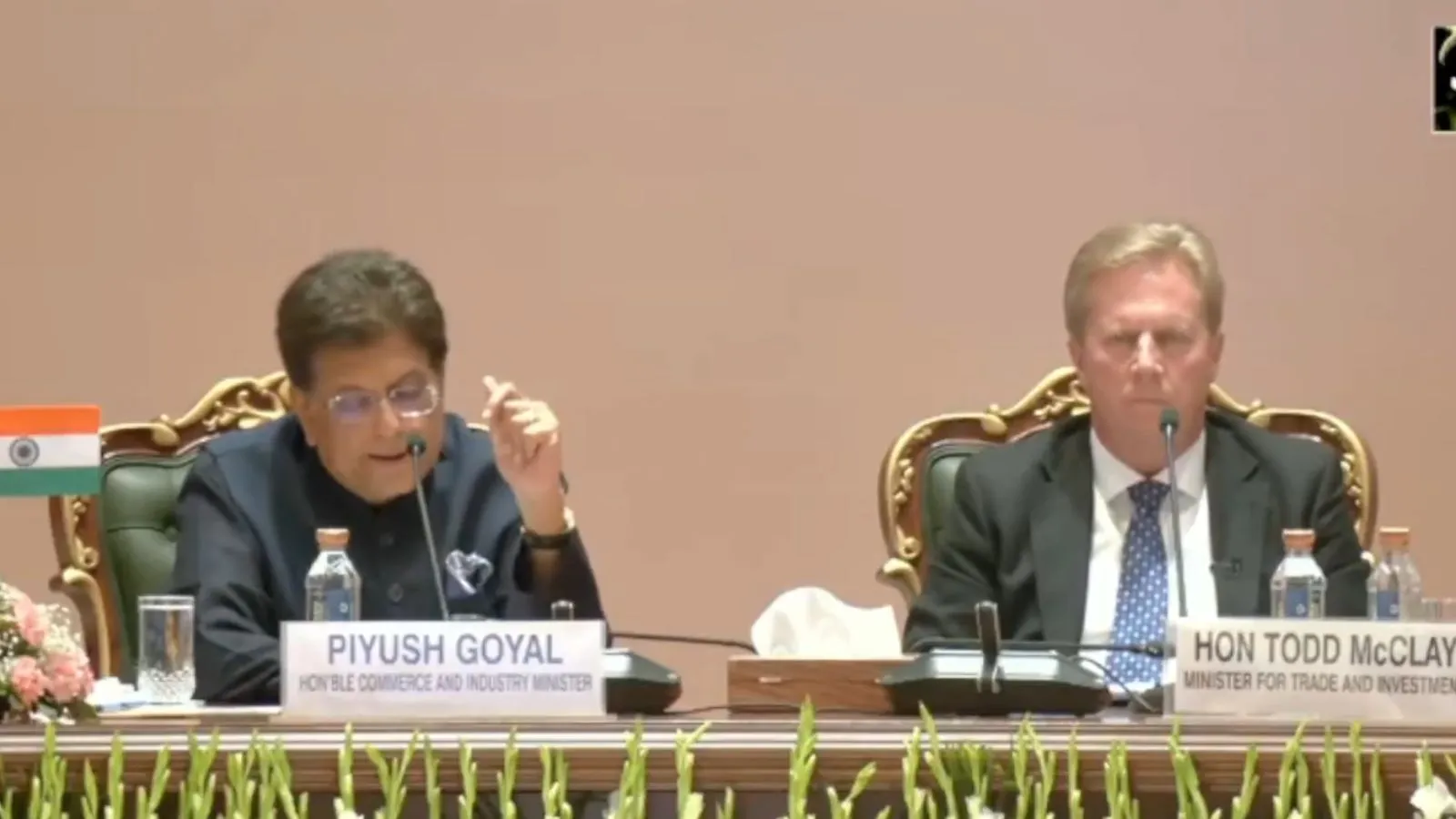
Union Commerce and Industry Minister Piyush Goyal said that the investment provisions could strengthen India’s manufacturing base and create economic opportunities.
Goyal said in a post on X “New Zealand’s commitment to facilitate USD 20 billion in investment into India holds immense potential to strengthen manufacturing, infrastructure, services & innovation, supporting enterprise & employment,”
The investment commitment is a facilitation target rather than a confirmation that the entire amount has already been invested.
The agreement also contains measures to simplify customs procedures and reduce administrative delays.
Under the trade facilitation provisions outlined by the Indian government, ordinary cargo is targeted for clearance within 48 hours, while express shipments and perishable consignments are expected to benefit from a 24-hour clearance window.
Digital certification and self-certification of origin for eligible exporters are also intended to simplify access to preferential tariffs.
India and New Zealand have agreed to pursue an agricultural productivity partnership that will draw on New Zealand’s expertise in precision farming and agricultural technologies beyond tariff reductions.
The initiative includes Centres of Excellence for apples, kiwifruit and Manuka honey, with a focus on improving farm productivity, technical knowledge and farmer incomes.
Commerce Secretary Rajesh Agrawal described the agreement as a broader economic partnership rather than simply a mechanism for increasing exports.
“These ties are not only about market access and having more exports to each other,” Agrawal said.
Both nations aim to increase bilateral trade to NZ$7 billion, approximately ₹35,000 crore, by 2030.
The free trade agreement was signed in New Delhi on April 27, 2026, and the two countries completed their ratification processes on September 21.
The implementation marks the beginning of preferential trading arrangements intended to strengthen investment flows, diversify export markets and deepen economic cooperation between India and New Zealand, media reports stated.
