
Jhalmuri Moment Becomes BJP’s Bengal Power Symbol
PM Modi’s street-side gesture evolves into a calculated narrative of grassroots connect

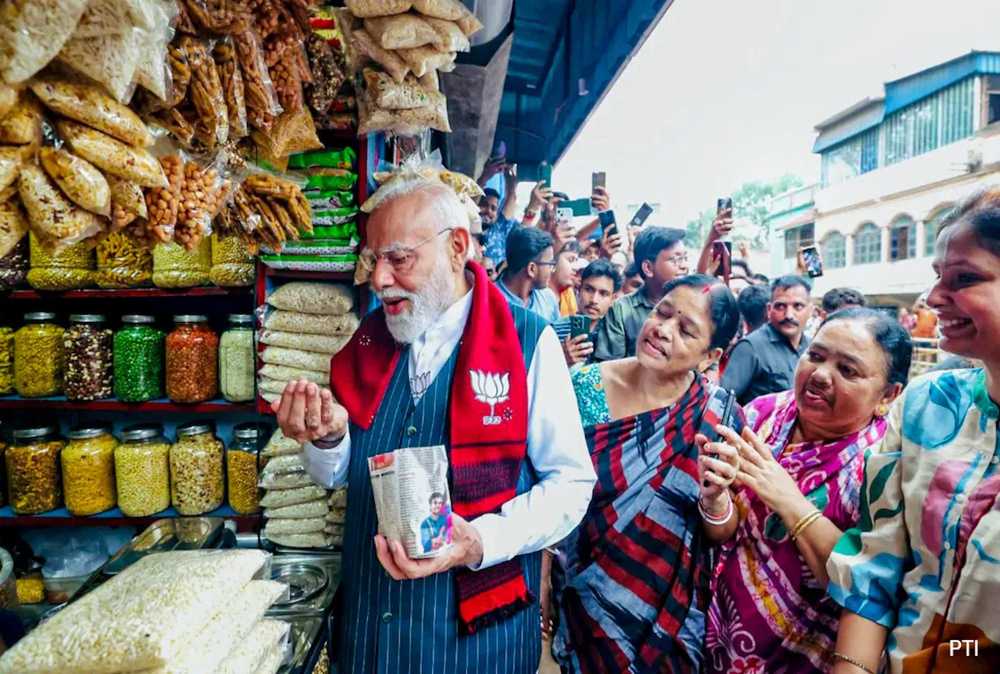
- Narendra Modi’s jhalmuri moment gains political meaning
- Snack to feature at BJP swearing-in in Kolkata
- Symbol of cultural connect, inclusivity and local identity
- Reinforces grassroots politics and “Vocal for Local” push
GG News Bureau
Kolkata, 7th May: A fleeting moment involving Prime Minister Narendra Modi and a serving of jhalmuri has quickly evolved into a defining political symbol in West Bengal’s post-election narrative.
What began as a casual roadside interaction has now been integrated into the Bharatiya Janata Party’s swearing-in ceremony, signalling a deeper attempt to embed political messaging within the state’s cultural fabric.
Jhalmuri, a staple across Bengal’s public spaces—from railway stations to college campuses—represents more than food. It reflects affordability, shared identity and everyday life across class lines. By associating with it, the leadership projects accessibility and alignment with grassroots realities.
The symbolism is particularly significant in Bengal, where politics has long been shaped by cultural cues and emotional resonance. The move suggests a conscious effort to localise political identity rather than impose an external narrative.
At a strategic level, the gesture aligns with broader national themes such as “Vocal for Local” and self-reliance. It also highlights the informal economy, with street vendors forming a crucial link between policy intent and visible ground-level engagement.
The timing adds weight to the narrative. Following a major electoral shift, the use of a culturally embedded symbol indicates an attempt to consolidate legitimacy through familiarity and public connect.
In an era dominated by visual storytelling, such moments travel rapidly and influence perception. A simple, relatable image can reinforce political messaging more effectively than conventional campaigning.
Ultimately, the jhalmuri episode underscores how modern politics blends symbolism with strategy—turning everyday experiences into powerful narratives that shape public sentiment.
