

Poonam Sharma
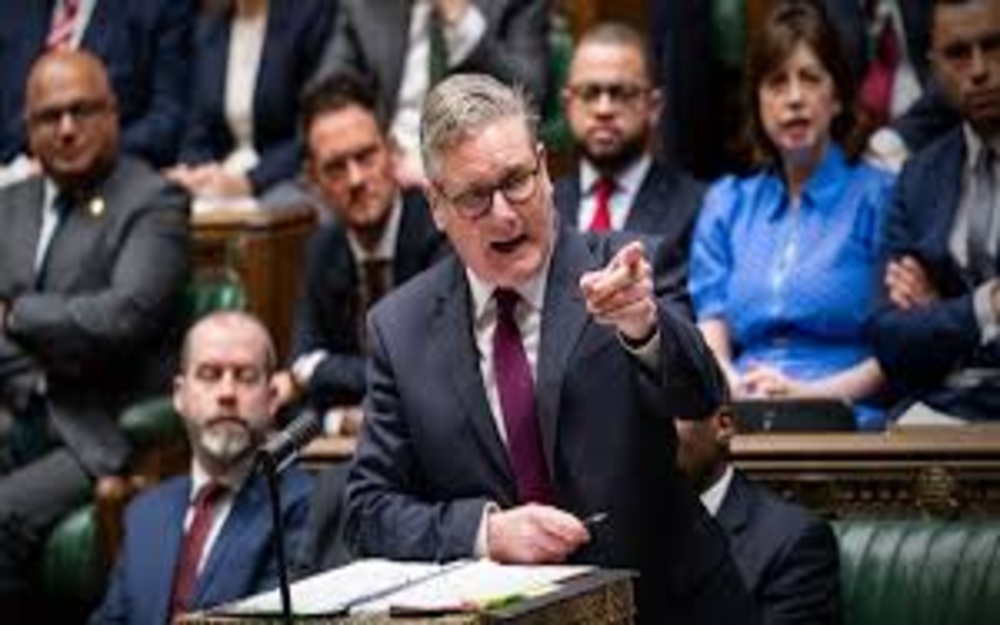
The recent case of Sarah Sultan, a British MP of Pakistani descent was ousted from the British Parliament. Sultan accused Prime Minister Keir Starmer of spreading lies during a heated debate in the UK Parliament. She was told to leave the chamber and was reprimanded. These kinds of things show how serious politicians from other countries are.
This isn’t the only time this has happened. She had spoken out against India’s farmers’ protests, and was even accused of spreading false information.
Political stories can now cross borders and change people’s minds more easily than ever thanks to instant information and viral content. When it comes to stories about Kashmir or debates in the UK Parliament, the way they are told often depends on the goals of the people telling them. A close look at recent controversies shows how facts can get lost and how communities, both in India and other countries, can be used as pawns in bigger political games.
On The Kashmir Problem: Facts vs. Plans
In international forums, Sara Sultan about Kashmir has many times been speaking as a place where Muslims are persecuted. Whereas the real tragedy was the exodus of Kashmiri Hindus, who had to leave their homes in the 1990s. Even now, the few Hindu pilgrims who go to the holy Amarnath shrine do so with a lot of military protection, which shows how unstable the area’s security is.
Like Sara there are parliamentarians and activists still push the idea that Muslims are victims in Kashmir, even though these facts are not true. They often ignore the historical and complicated nature of the situation. This selective storytelling makes me wonder what their real motives are. Are they really concerned about human rights and that too of a particular community , or are they just trying to push their own political or ideological agendas?
Vote-Bank Politics In Britain :
Politicians in the UK are careful not to upset Muslim voters, which can make it seem like they are being too lenient when it comes to dealing with sensitive issues in their communities. But there are clear lines when it comes to respecting the highest offices, like the Prime Minister. This line was shown by Sultan’s removal from Parliament.
In India, on the other hand, people criticize political leaders, including the Prime Minister, every day. In India, democracy lets people speak out against those in power, protest, and even use strong language.
Media outlets, both local and international, are very important in shaping these stories. The media often focuses on Kashmiri Muslims’ problems ‘ problems because they fit their editorial line or get more viewers. Because of this, the truth can get lost and be replaced by half-truths or selective outrage.
It’s important for readers and viewers to think critically about these kinds of issues in a world full of opinions. Don’t just take every claim at face value. Instead, look into the past, think about different points of view, and question the reasons behind every loud statement. The real story is often hidden beneath the surface, whether it’s a British MP making headlines or an Indian leader being criticized. In the noisy world of political talk, we can only hope to tell the truth from the lies if we think critically.
