
Uttarakhand Raises DA to 63%, Arrears from July
Chief Minister Pushkar Singh Dhami approves a three-percentage-point increase for state employees, bringing the allowance in line with the Centre.

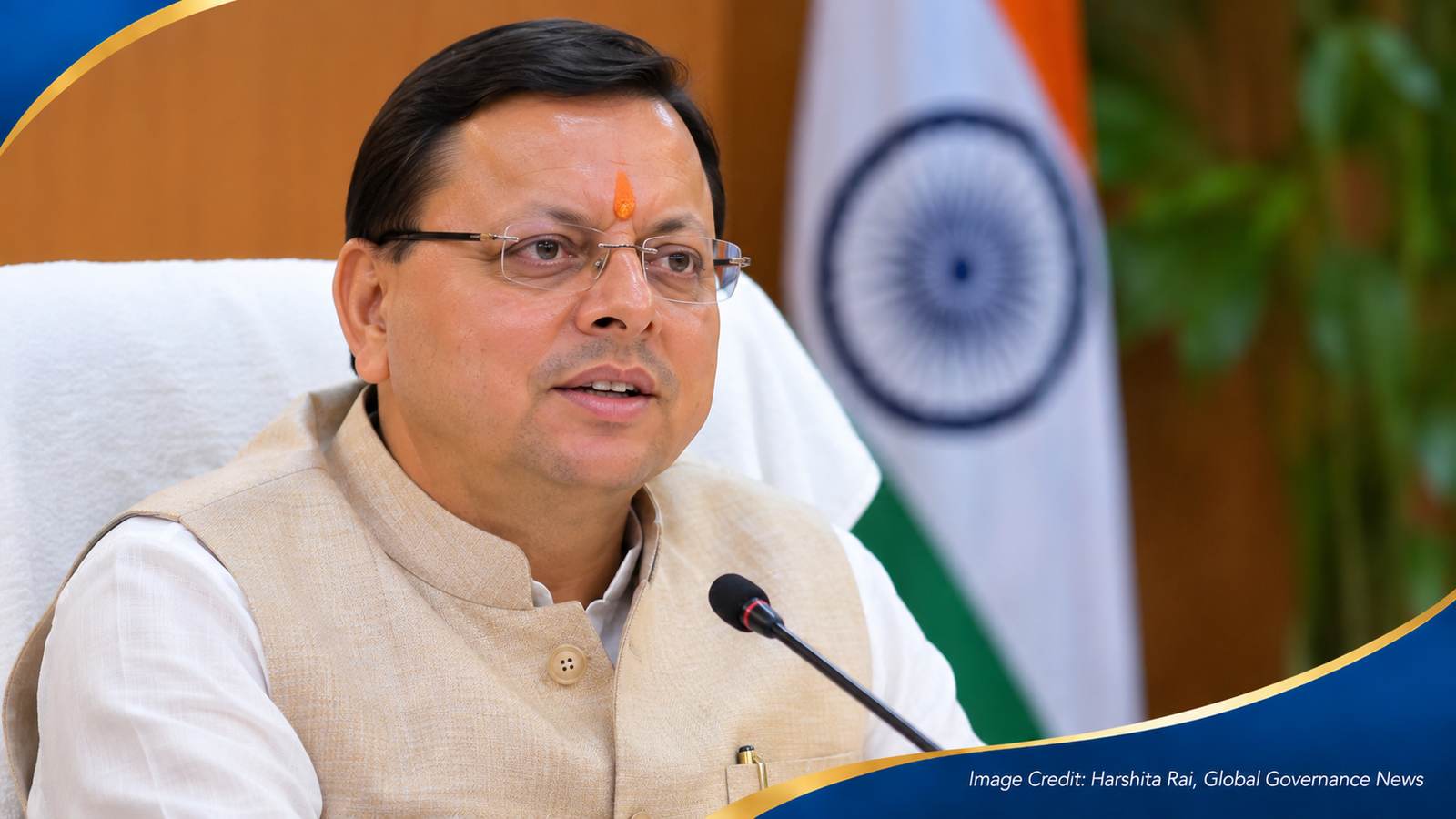
- Uttarakhand raises DA from 60% to 63%.
- Revised allowance effective from July 1, 2026.
- Eligible employees to receive arrears for July–October in cash.
- Benefit extends to eligible staff in universities and aided institutions.
GG News Bureau
Dehradun, 5th Nov: The Uttarakhand Government will raise Dearness Allowance (DA) for state government employees from 60% to 63%, with Chief Minister Pushkar Singh Dhami approving the increase with effect from July 1, 2026.
The decision follows the Centre’s revision of DA for its employees under the 7th Central Pay Commission. With the latest approval, Uttarakhand government employees will receive the allowance at the same rate as their central government counterparts.
The benefit will also extend to eligible employees working in local bodies, aided educational institutions, state universities, technical educational institutions and those drawing salaries under UGC pay scales.
According to the Chief Minister’s Office, the difference in DA for the period between July 1 and October 31, 2026, will be paid to eligible employees as cash arrears.
The Central Government had approved a three-percentage-point increase in DA and Dearness Relief (DR) on October 28. The decision, taken by the Union Cabinet chaired by Prime Minister Narendra Modi, raised the rates from 60% to 63%, effective July 1, 2026.
The central revision is expected to benefit around 48.54 lakh government employees and 68.71 lakh pensioners. Its combined annual financial impact on the government is estimated at Rs 10,016.10 crore.
The increase follows the accepted formula based on the recommendations of the 7th Central Pay Commission.
Dearness Allowance is provided to serving government employees to help offset the impact of inflation on their cost of living. Dearness Relief serves a similar purpose for pensioners by adjusting their pension income against rising prices.
