
Punjab Govt’s Controversy Over Justice Ashwani Sharma’s Appointment Uncalled For: Satya Pal Jain
ASG says due procedure was followed and Punjab had no veto over the appointment

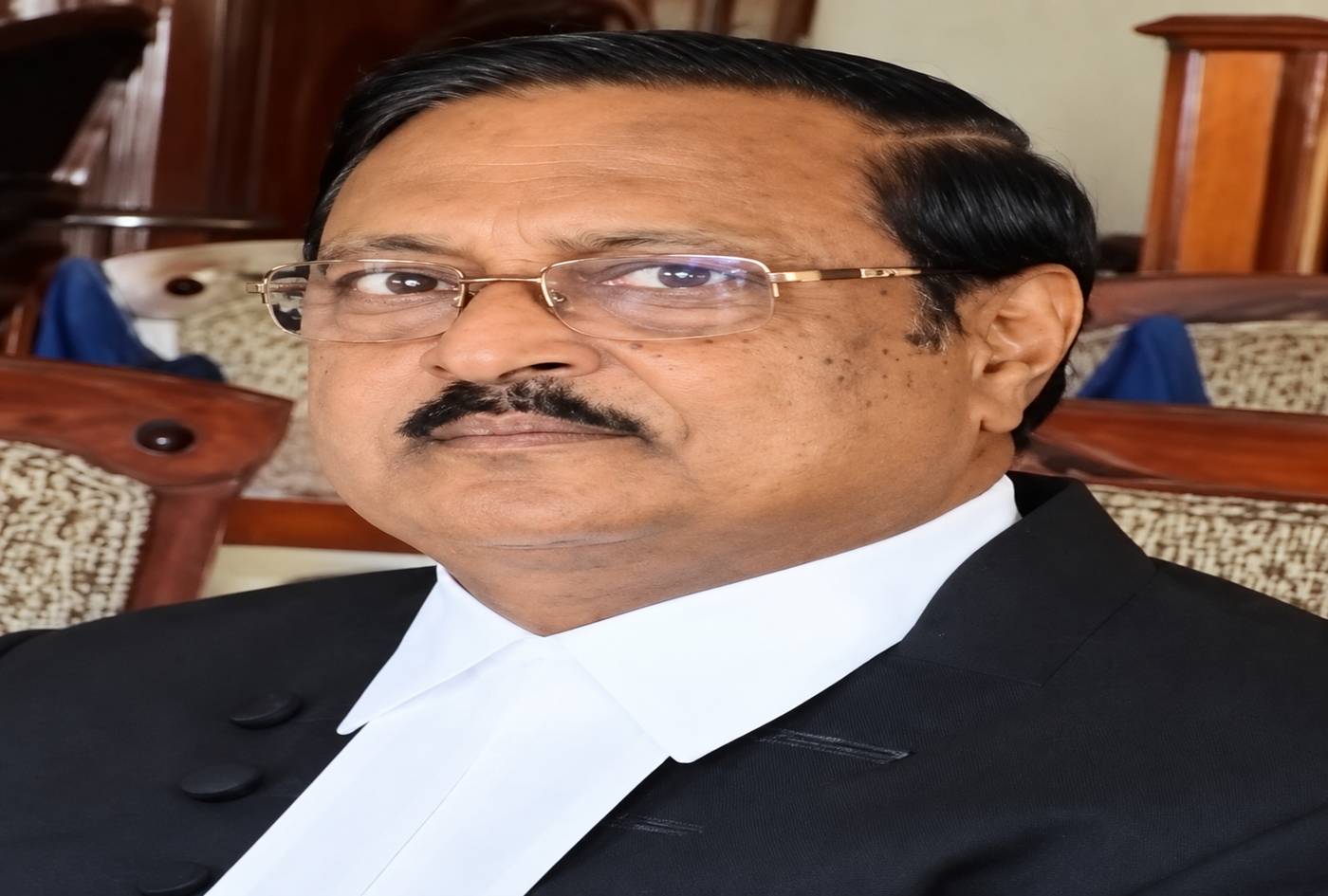
- Justice Ashwani Sharma’s appointment was made by the President under Article 217(1)
- Supreme Court collegium recommended names for Chief Justices on August 6
- Punjab Government did not submit its views despite being given time
- Jain says states have no veto power over judicial appointments
GG News Bureau
New Delhi, 7th Sept: Additional Solicitor General of India Satya Pal Jain has termed the recent controversy raised by the Punjab Government over the appointment of Justice Ashwani Sharma as Chief Justice of the Punjab and Haryana High Court as “most unfortunate and totally uncalled for.”
Jain said the appointment was made by the President of India, the highest constitutional authority, under Article 217(1) of the Constitution. He said the prescribed Memorandum of Procedure (MoP) for judicial appointments was followed and there was no violation of any provision of law.
According to Jain, the Supreme Court collegium on August 6, 2026, recommended names for the appointment of Chief Justices of the Maharashtra, Bihar, West Bengal, Chhattisgarh and Punjab and Haryana High Courts in the first lot, followed by recommendations for Rajasthan, Jammu and Kashmir and Madhya Pradesh.
He said the views of the concerned state governments were sought as required under the MoP. While all other state governments submitted their views within a week, the Punjab Government did not submit its views.
Jain said both the Punjab and Haryana governments were informed of the proposal and their views were sought on August 10. The Governors of Punjab and Haryana gave their approval, while the Haryana Government conveyed its views in favour of the proposal on August 12 and 13.
He said the Punjab Government had sufficient time to submit its views within a reasonable period but had not done so.
Jain further stated that the views of state governments are sought as part of the prescribed procedure but do not amount to a veto over the appointment. He said no one should indefinitely hold up a judicial appointment process in a manner that could scuttle the process or politicise a non-political issue.
