
Cabinet Revises Waterfront Policy to Boost Investment
New framework allows captive port users to expand facilities, offers up to 30-year extensions and direct waterfront access to eligible government entities

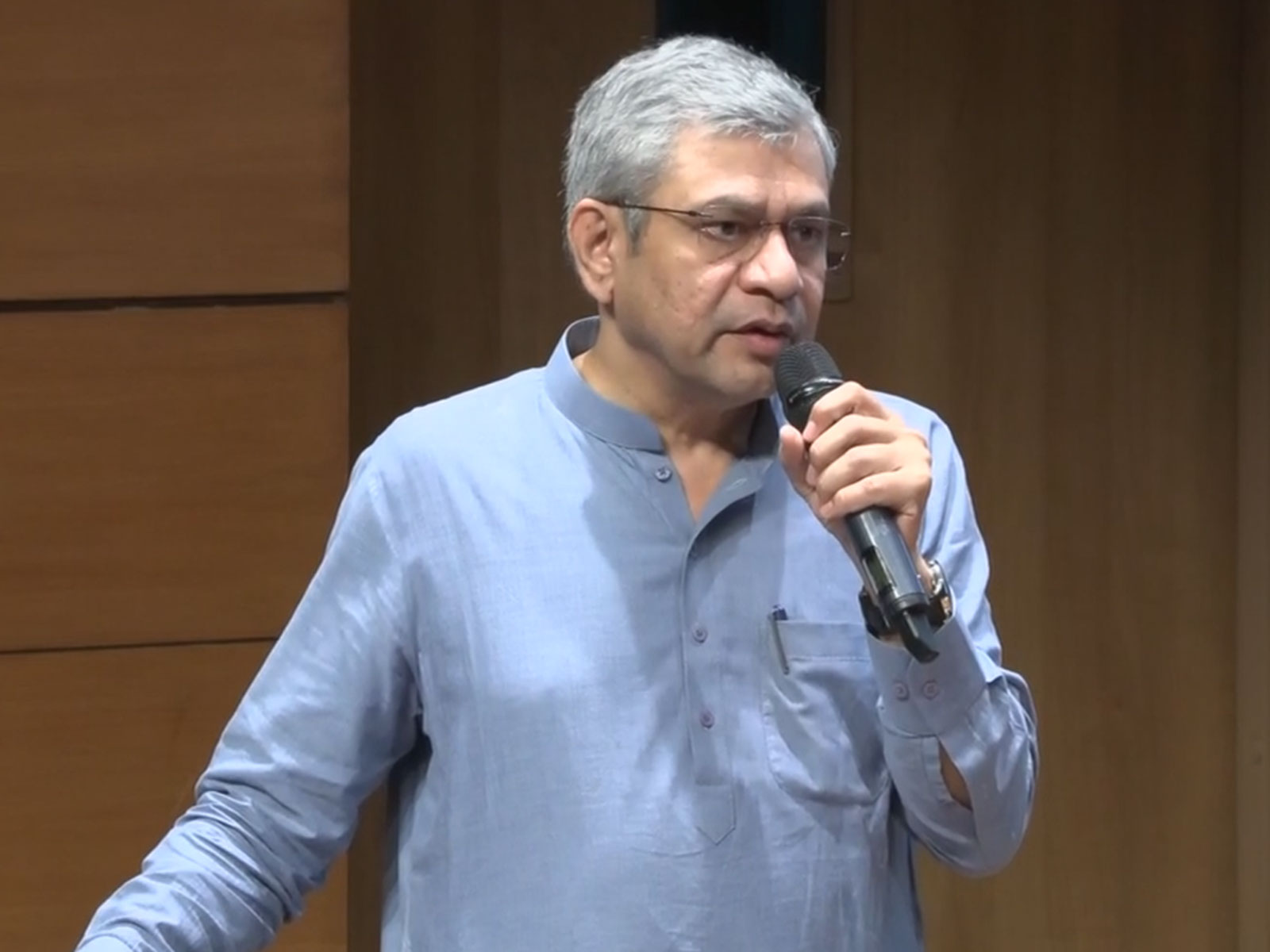
- Cabinet approves revised policy for waterfront and associated land at major ports.
- Existing port-dependent industries can expand berths, jetties and terminals through a competitive bidding framework.
- Major Port Authorities can extend eligible existing concession agreements for up to 30 years without fresh tendering.
- Government entities can get waterfront access without competitive bidding, subject to safeguards.
GG News Bureau
New Delhi, 1st July: The Union Cabinet has approved a revised policy for the award of waterfront and associated land to Port Dependent Industries (PDIs) at major ports, introducing reforms aimed at attracting investment, facilitating capacity expansion and improving operational flexibility in India’s maritime sector.
The revised framework updates the Captive Policy of 2016 and allows existing captive users to expand their facilities by developing additional berths, jetties, terminals and Single Buoy Moorings (SBMs).
It also provides mechanisms for extending existing concession agreements, allocating waterfront to eligible government entities and dealing with regulatory changes and unforeseen circumstances affecting port projects.
Union Ports, Shipping and Waterways Minister Sarbananda Sonowal said the revised policy seeks to balance investor confidence with public interest while strengthening India’s maritime infrastructure.
“The revised Captive Policy is a major reform that balances investor confidence with public interest,” Sonowal said, adding that the framework would provide long-term certainty and facilitate capacity expansion.
Under the revised policy, Major Port Authorities will be able to renew or extend concession agreements of existing Port Dependent Industries for up to 30 years without a fresh tender process.
The renewal will be made at either the prevailing market rate or the indexed revenue payable under the existing concession agreement, whichever is higher.
The government said the mechanism is designed to protect port revenues while providing greater long-term certainty to existing investors.
The policy also introduces a structured mechanism for capacity expansion by captive users.
Major Port Authorities will undertake price discovery through competitive bidding, while the existing concessionaire will receive a Right of First Refusal (RoFR) to match the highest bid.
Participation will be restricted to eligible Port Dependent Industries handling the same cargo profile.
The concession period for an additional berth or terminal developed under the expansion framework will remain co-terminus with the maximum permissible concession period of the existing facility.
In another significant change, the revised policy allows eligible government organisations to receive waterfront and associated land without competitive bidding, subject to availability and prescribed safeguards.
Eligible entities include Central and state government departments, statutory authorities, autonomous bodies, Central and state public sector undertakings and government-controlled joint ventures.
The provision covers entities operating in sectors including fertilisers, food, petroleum, oil and gas, coal and steel, besides other sectors that may be notified by the Ministry of Ports, Shipping and Waterways.
Such concessions will be awarded at the notified floor price.
The revised framework also introduces provisions covering Change in Law and Unforeseen Events, allowing business plans and cargo profiles to be revised if regulatory changes or unforeseen circumstances affect project viability.
Changes in cargo profiles will also be permitted after the prescribed lock-in period or immediately when necessitated by a change in law.
The government expects the revised policy to attract fresh investment in port infrastructure, strengthen supply chains, reduce logistics risks for port-dependent industries and generate employment through port-led industrial expansion.
The policy will apply across all major ports for captive facilities and is expected to improve cargo throughput and utilisation of waterfront assets while generating sustained revenues for ports.
The Centre said implementation of the revised framework will have no financial implication for the Government of India.
