
India Sees Limited Fuel Price Hike Despite Global Oil Shock
Government says phased petrol and diesel increase remains among lowest globally amid supply crisis

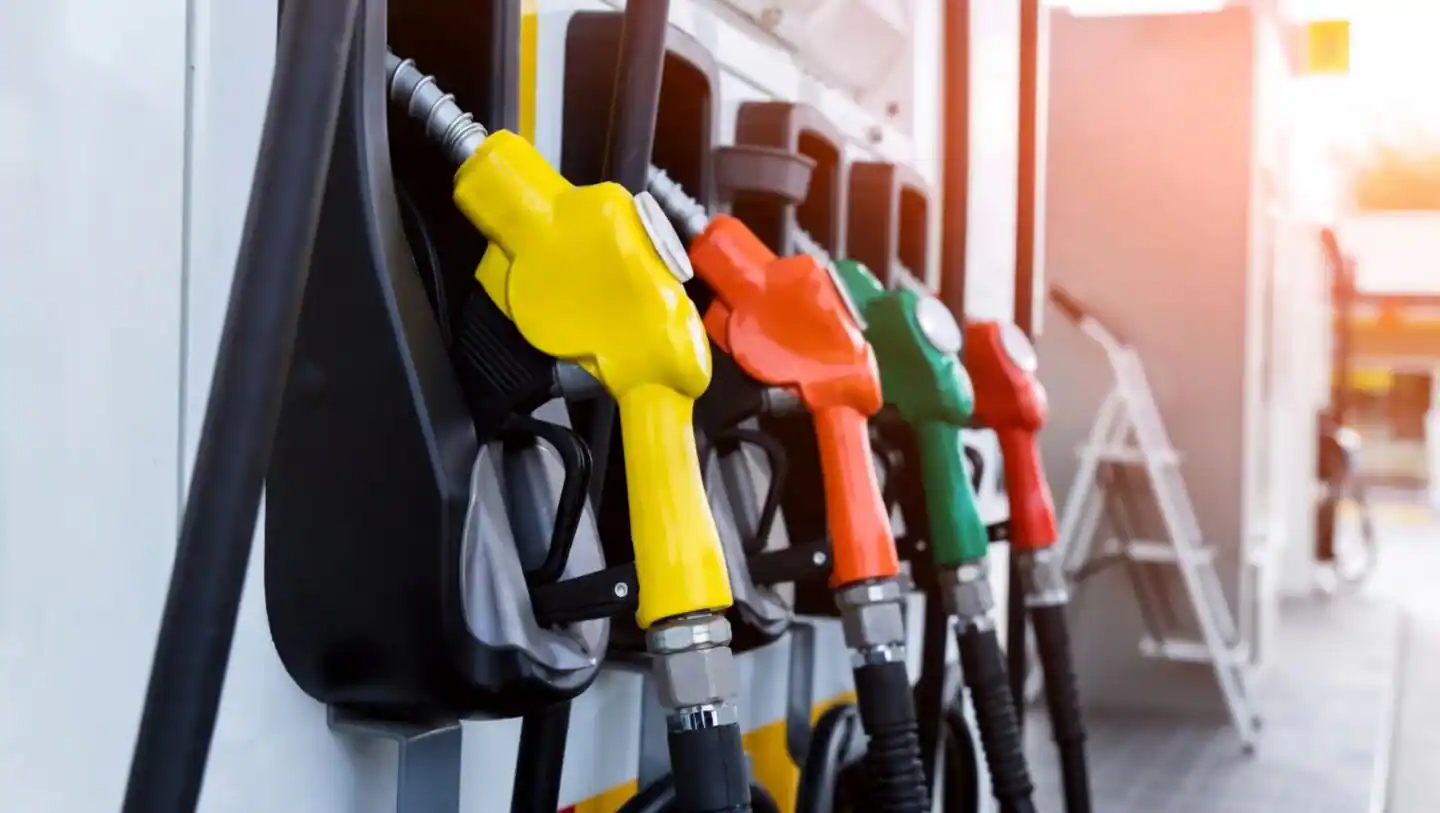
- Petrol and diesel prices raised in four phases this month
- India records around 7.5% increase despite global oil disruptions
- Government cites tax cuts and intervention for price stability
- Fuel prices vary sharply across states due to VAT differences
GG News Bureau
New Delhi, 25th May: Government sources on Sunday said India has emerged as one of the least affected countries in terms of retail fuel price increases despite sharp global spikes triggered by geopolitical disruptions and supply concerns.
According to officials, petrol and diesel prices in India rose by just over ₹7 per litre in phased revisions carried out this month after oil marketing companies held rates unchanged for 78 days following the closure of the Strait of Hormuz on February 28, 2026.
Oil marketing companies revised prices on May 15, 19, 23 and 25.
The cumulative increase now stands at ₹7.35 per litre for petrol and ₹7.53 per litre for diesel, translating into an increase of roughly 7.5 per cent.
In New Delhi, petrol is currently priced at ₹102.12 per litre, while diesel costs ₹95.20 per litre.
Government sources said the increase remains significantly lower than global trends, where several countries witnessed fuel price spikes ranging from 20 per cent to over 90 per cent during the same period.
Petrol prices reportedly surged nearly 90 per cent in Myanmar and over 50 per cent in Pakistan and the UAE, while developed economies including the United States and several European nations recorded increases exceeding 20 per cent.
Officials said global average petrol prices are now around ₹130 per litre, with prices in several European countries crossing ₹180 per litre.
The Centre attributed India’s relatively moderate increase to multiple government interventions, including repeated fuel tax cuts over the past four years.
Sources said the government reduced excise duty by ₹10 per litre on March 27, 2026, shortly before the latest global supply disruption.
Officials stated that these measures helped absorb rising crude oil costs instead of passing the full burden on to consumers.
However, fuel prices continue to vary widely across states because of differences in value-added tax (VAT).
According to government data, states such as Telangana and Kerala currently have some of the highest petrol prices, exceeding ₹114 per litre.
Meanwhile, BJP-ruled states including Gujarat, Uttar Pradesh and Haryana have petrol prices closer to ₹102 per litre.
Diesel prices also show major variations, with some lower-tax states keeping rates below ₹90 per litre while others report prices crossing ₹100 per litre.
The government also implemented fiscal measures such as reducing special additional excise duty and imposing export levies to ensure domestic fuel availability and market stability.
Officials said both the government exchequer and oil companies absorbed significant losses during the crisis period to maintain price stability.
