
Parliament Must Reclaim the Lost Hours
The Monsoon Session passed 12 Bills, but its deeper story is the democratic opportunity that remained unused

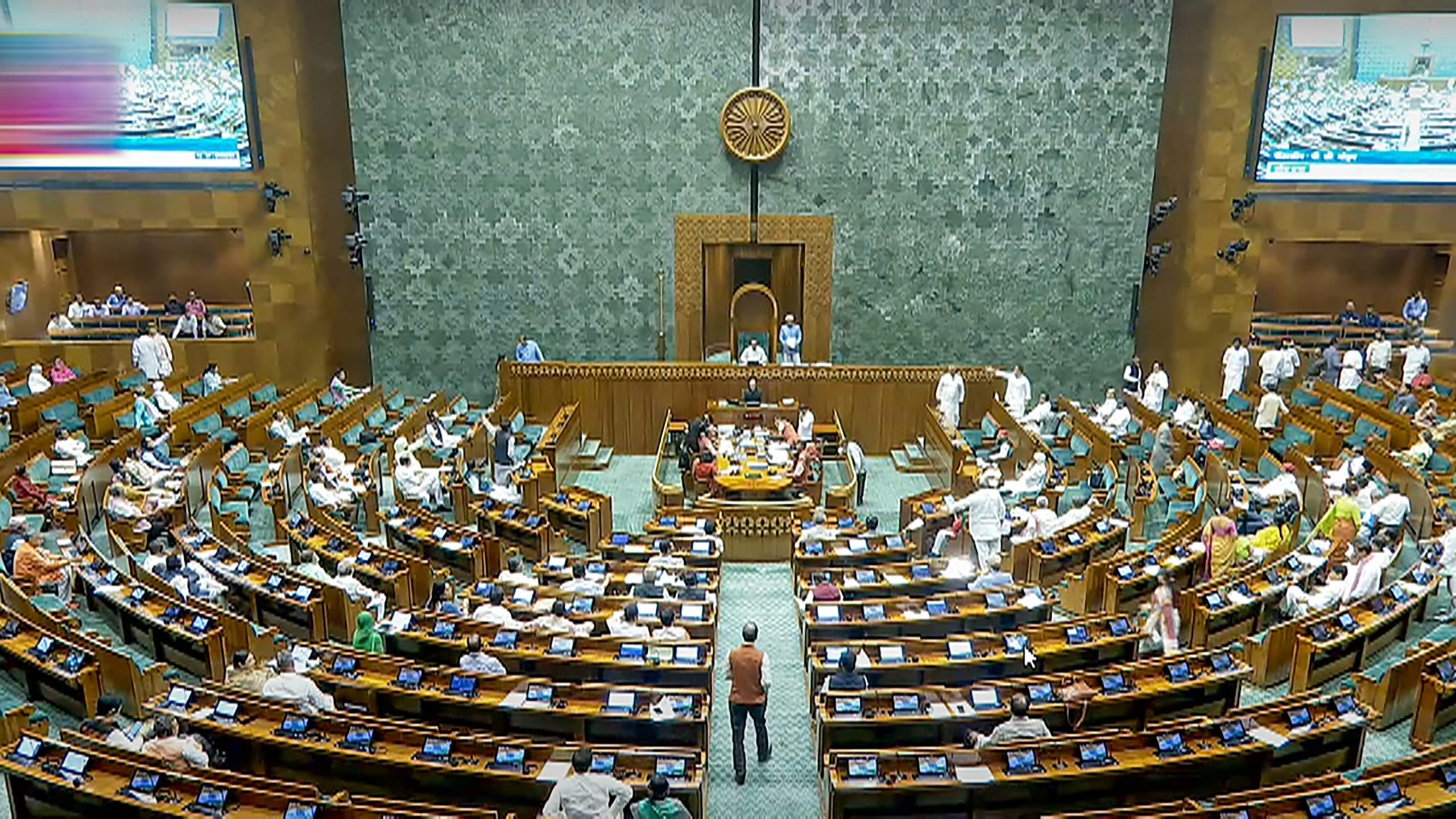

India’s Parliament is not merely a chamber for passing legislation; it is the country’s principal forum for argument, scrutiny and democratic accountability. That is why the conclusion of the 2026 Monsoon Session deserves to be assessed not only by the number of Bills passed, but also by the quality of parliamentary functioning.
The session, which ran from July 20 to August 13, comprised 19 sittings spread over 25 days. Twelve Bills were passed by both Houses, including legislation concerning public examinations, MSMEs, banking records, tribunals, minerals and the proposed renaming of Kerala as Keralam.
Yet the official figures present a sobering picture. Lok Sabha functioned at approximately 19 per cent productivity, while Rajya Sabha recorded approximately 39 per cent.
These numbers should concern every political party.
Parliamentary disruption has gradually become a familiar feature of Indian politics. Opposition parties have a legitimate responsibility to question the government, challenge policies and raise public concerns. Equally, the government has a responsibility to engage with criticism and ensure that important legislation receives adequate scrutiny. Neither responsibility is served when repeated interruptions become a substitute for debate.
The real cost of disruption cannot be measured simply in hours lost. It is measured in questions that remain unanswered, amendments that remain unexplored and citizens whose concerns fail to receive sustained parliamentary attention.
The session nevertheless produced legislation with potentially significant consequences. The Public Examinations (Prevention of Unfair Means) Amendment Bill, 2026, for instance, seeks time-bound investigations and trials, special fast-track courts and stronger enforcement mechanisms concerning examination-related offences.
Similarly, the MSME legislation seeks to strengthen access to finance, address delayed payments and create a national digital platform for voluntary registration. The Bankers’ Books Evidence Bill attempts to establish a technology-neutral framework covering physical, electronic, digital, virtual and cloud-based banking records.
Such legislation deserves more than hurried parliamentary treatment. Every Bill affects citizens, institutions or businesses in some way. Parliamentary debate is the mechanism through which unintended consequences can be identified before laws enter everyday life.
The proposed change from Kerala to Keralam also demonstrates why legislative scrutiny matters. A constitutional amendment concerning the identity of a state is not simply an administrative exercise; it carries historical, linguistic and cultural significance.
At the same time, Parliament did make use of its institutional mechanisms in certain areas. The Foreign Contribution (Regulation) Amendment Bill, 2026, was referred to a Joint Committee for examination and report—an example of how detailed legislative scrutiny can be undertaken through parliamentary structures.
The lesson from this session should therefore not be that Parliament failed. It is that Parliament underperformed relative to what the institution is capable of achieving.
Passing 12 Bills is a measurable legislative outcome. But legislation passed amid disruption cannot by itself demonstrate a healthy parliamentary culture. Democracy requires both decision-making and deliberation.
The treasury benches must be willing to listen beyond the minimum required for legislative passage. The Opposition must recognise that protest inside Parliament must ultimately lead to debate, not replace it. Political disagreement is indispensable to democracy; institutional paralysis is not.
Parliamentarians are elected to represent competing visions of India. They cannot always agree—and they should not. But disagreement becomes meaningful only when it is articulated through argument, evidence and persuasion.
The next session offers an opportunity for political parties to reset the tone. Fewer disruptions, greater scrutiny, stronger committee work and more substantive debate would serve both Parliament and the public.
India’s democratic strength will not be judged merely by how many laws Parliament passes. It will also be judged by how thoughtfully those laws are debated before they are passed.
The lost hours of the Monsoon Session cannot be recovered. The lesson from them, however, still can be.
