
Musk Confirms SpaceXAI Rename to SpaceXSI After Trump’s ‘Super Intelligence’ Order

By Anjali Sharma
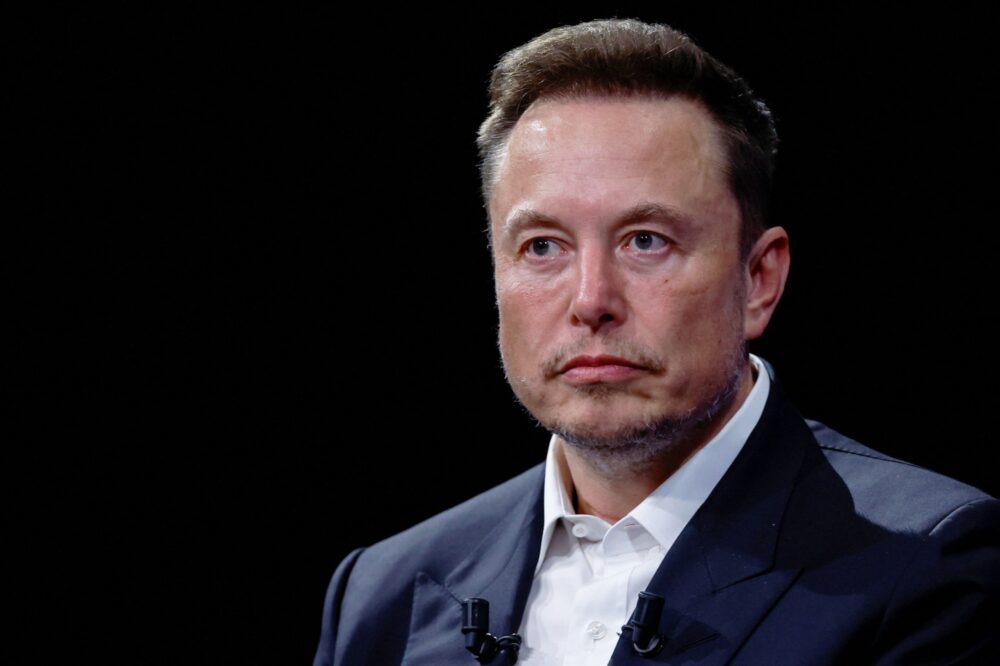
WASHINGTON – Tesla CEO Elon Musk on Monday has confirmed that SpaceX will rename its artificial intelligence arm from SpaceXAI, to SpaceXSI, he shared the news in a posts on X.
One order changed the word. One reply changed the brand. Now SpaceX is dropping “AI” for something bigger. But nobody has said yet what “SI” really means, media reported.
He wrote, “No more AI. SI, it’s better The change came after a user asked if the company could consider the new name. Musk replied that the company will make the change. In a second post.”
Musk has not yet said when the new name will take effect. He also has not shared details about branding, logos or legal filings.
The rename follows an executive order signed by US President Donald Trump on September 29. It is titled “Inaugurating the Era of Super Intelligence.”
The order covers the whole US executive branch. Departments and agencies must now use the terms “Super Intelligence” and “SI” instead of “Artificial Intelligence” and “AI.” This applies to official letters, public statements, policy papers and other non-statutory documents.
Laws passed by Congress are not changed by the order. It deals only with how the executive branch writes and speaks.
White House released a fact sheet on the order. It says the switch reflects a technology frontier that keeps moving forward. It also says the technology holds limitless promise for the American people.
The fact sheet said Trump wants the United States to lead and win in Super Intelligence.
It adds that all Americans should share in the economic gains.
The order does not define Super Intelligence. Instead, it gives that job to the Assistant to the President for Science and Technology.
The official must propose a federal definition of both terms.
The definition must match the current state of the technology. The official must also name any further executive action needed to put the definition into use.
This matters because “super intelligence” has long had a specific meaning in academic circles. It usually describes a system that is far smarter than humans in almost every field. Today’s commercial tools are often sold as AI, and it is not clear that they meet that bar. The coming federal definition may settle that question for government use.
Musk is no stranger to the topic.
He has backed and promoted “Superintelligence: Paths, Dangers, Strategies,” a 2014 book by philosopher Nick Bostrom. The book looks at the risks of a machine intelligence that humans cannot control.
Musk has said in the past that such technology could be more dangerous than nuclear weapons.
His decision to adopt the term for his own company is therefore notable. Critics may ask if a name tied to such warnings sends the right message. Supporters may say it shows the company is serious about the long-term goal.
The rename is one of several related moves in Washington.
Media reported that Trump has formed a “Super Intelligence Force.” Its stated aim is to cement US dominance in next-generation AI.
These steps show a clear shift in tone. The White House is not just using new words. It is framing the field as a race that America must win.
