
Not Examining Individual Temple Practices: SC in Sabarimala Case
Constitution bench limits hearing to religious freedom and constitutional questions under Articles 25 and 26

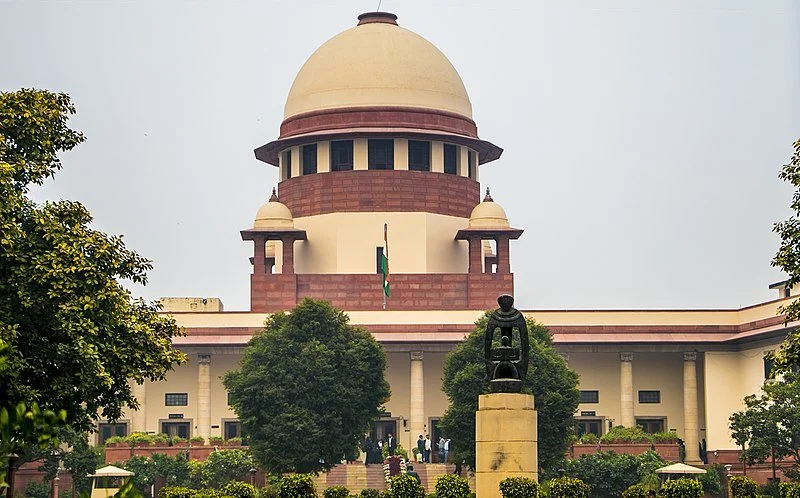
- Supreme Court of India declines scrutiny of specific temple rituals
- Bench focuses on broader constitutional issues in Sabarimala review
- CJI Surya Kant rebukes arguments on Kamakhya temple practices
- Religious freedom and judicial review remain central issues
GG News Bureau
New Delhi, 28th April: The Supreme Court of India on Tuesday clarified that its nine-judge Constitution bench hearing the Sabarimala review case is not adjudicating individual temple practices such as animal sacrifice, occultism or specific ritual customs.
Chief Justice Surya Kant emphasized that the bench’s mandate is limited to examining larger constitutional questions surrounding religious freedom, denominational rights and judicial intervention under Articles 25 and 26 of the Constitution.
The clarification came after an advocate, while seeking review of the 2018 Sabarimala verdict, raised concerns about tantric practices, menstruation-linked rituals and animal sacrifice at Assam’s Kamakhya Temple.
The bench firmly rejected attempts to broaden the proceedings into temple-specific disputes, with the Chief Justice stating that the court was not hearing matters related to individual religious customs under the guise of constitutional interpretation.
“We are not hearing that. Please stop with this animal sacrifice,” the bench observed.
The court reiterated that the present proceedings are focused on defining the constitutional balance between faith, equality, essential religious practices and the judiciary’s role in reviewing them.
The Sabarimala review remains one of India’s most consequential constitutional cases, with potential implications for multiple religious traditions and denominational practices across the country.
