

Poonam Sharma
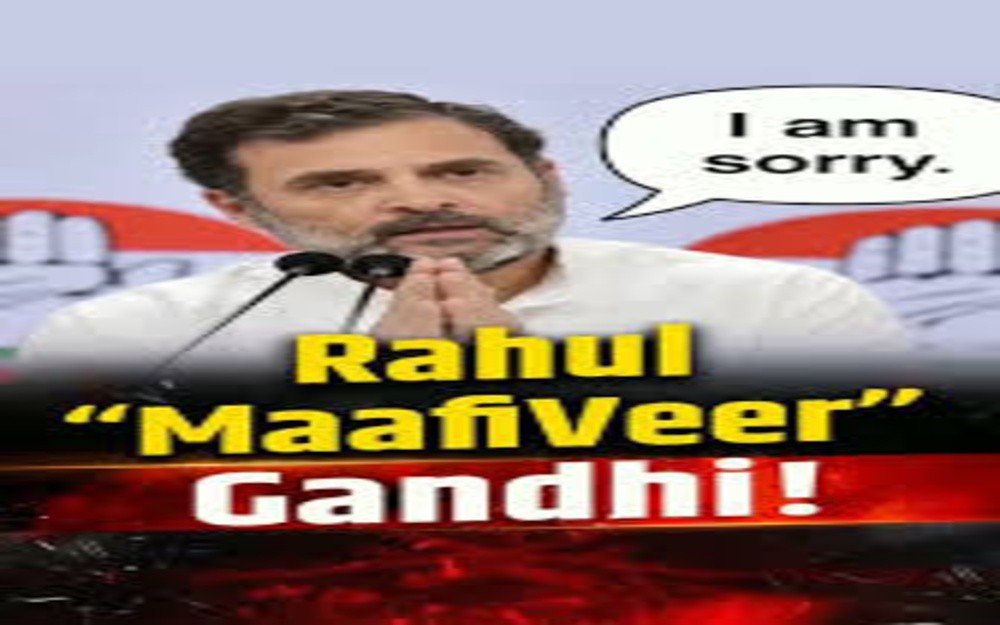
Rahul Gandhi, a prominent Indian political leader, has had multiple instances where he publicly apologized in courts for various statements. Known humorously as “Maafi Veer,” Rahul Gandhi’s apologies reflect a series of legal challenges and his willingness to express regret.Overview of ApologiesBetween 2012 and 2026, Rahul Gandhi has issued several apologies concerning defamation cases and controversial remarks. These apologies cover a range of issues, from calling RSS a “terrorist organisation” to tendering unconditional apologies in Supreme Court cases.Key Apology Cases
RSS Defamation Case (Ahmedabad Court, 2012)
Rahul Gandhi apologized for calling RSS a “terrorist organisation.”
BJP Worker Defamation Case (Lucknow Court, 2013)
Apologized for referring to BJP workers as “goondas.”
Sushma Swaraj Defamation (Delhi Court, 2013)
Sought forgiveness for making “racist” comments about Sushma Swaraj.
UP Minister Defamation (Allahabad Court, 2015)
Apologized for calling a minister “corrupt” during public speech.
Amethi Resident Case (MP/MLA Court, 2018)
Apologized for hurting sentiments of an Amethi resident.
Modi Surname Remark (Supreme Court, 2019)
Filed apology for comments on Modi surname.
Rafale / “Chowkidar Chor Hai” Contempt Case (Supreme Court, 2019)
Expressed regret and tendered unconditional apology accepted by the Supreme Court.
Kartikeya Singh Chouhan Defamation Case (MP High Court, 2026)
Tendered unconditional apology clarifying Panama Papers remark as a mistake.
The Persona of “Maafi Veer”Rahul Gandhi’s repeated apologies have earned him the playful title of “Maafi Veer,” symbolizing someone who admits mistakes openly. His approach to legal challenges highlights a blend of political controversy and accountability.
