
AIADMK Crisis Deepens Under EPS
Internal revolt, social shifts and alliance failures deepen turmoil inside Tamil Nadu’s main opposition party

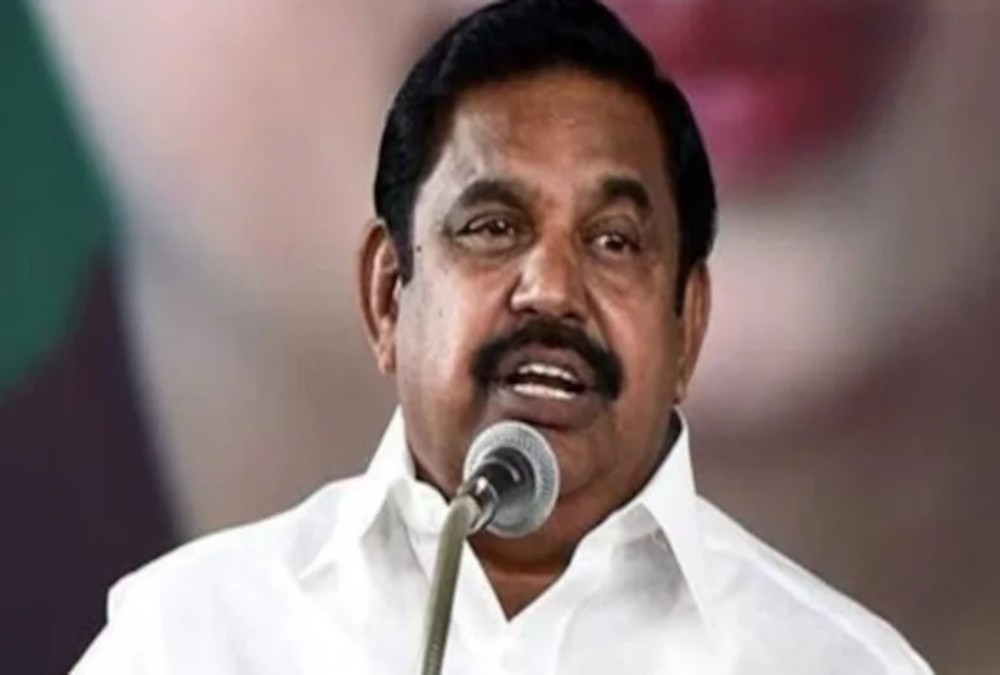
- AIADMK grapples with rebellion after trust vote shock
- Critics blame EPS for weakening party’s traditional social base
- BJP alliance and TVK strategy under scrutiny after defeats
- Rebels demand General Council meet after four electoral losses
GG News Bureau
Chennai, 25th May: All India Anna Dravida Munnetra Kazhagam is facing one of the deepest crises in its history as growing internal dissent, repeated electoral defeats and leadership questions intensify pressure on party chief Edappadi K. Palaniswami.
The turmoil follows the dramatic political changes in Tamil Nadu after the death of former Chief Minister J. Jayalalithaa in 2016.
Founded by actor-politician M. G. Ramachandran, the AIADMK had for decades relied heavily on the mass appeal and charismatic leadership of MGR and Jayalalithaa, both of whom led the party to repeated electoral victories.
After Jayalalithaa’s death and the imprisonment of her close aide V. K. Sasikala in the disproportionate assets case, Palaniswami emerged as Chief Minister despite not being publicly projected earlier as Jayalalithaa’s political successor.
Initially seen as a compromise choice backed by Sasikala, EPS later consolidated control over the party by aligning temporarily with O. Panneerselvam and subsequently sidelining Sasikala and her nephew T. T. V. Dhinakaran from the organisation.
Political observers argue that this power consolidation disrupted the AIADMK’s traditional caste and regional balance, especially among the influential Thevar community in southern Tamil Nadu.
OPS, Sasikala and Dhinakaran all belonged to the Thevar community, which had long formed a major support base for the AIADMK.
Critics claim the party’s power centre gradually shifted towards western Tamil Nadu and leaders from the Gounder community, to which EPS belongs, creating resentment among southern cadres and supporters.
The AIADMK has remained out of power for two consecutive Assembly terms under EPS — a first in the party’s history.
OPS later aligned with the ruling Dravida Munnetra Kazhagam, while Sasikala floated a separate political front with PMK founder S. Ramadoss.
Another major criticism against EPS has been his repeated alliance with the Bharatiya Janata Party despite the BJP’s limited acceptance in Tamil Nadu politics.
Party insiders believe the alliance led to erosion of minority votes that traditionally supported the AIADMK.
Observers also point to EPS’s failure to forge an alliance with actor-politician Joseph Vijay and his party Tamilaga Vettri Kazhagam ahead of the recent Assembly elections.
Despite speculation over a possible AIADMK-TVK understanding, EPS eventually renewed ties with the BJP after briefly distancing the party from the alliance during the 2024 Lok Sabha polls.
The move failed electorally as the TVK emerged as the single largest party with 108 seats in the Assembly election.
Following the fractured verdict, sections within the AIADMK reportedly favoured supporting a TVK-led coalition government to avoid remaining in opposition.
However, Vijay ultimately formed the government with support from the Indian National Congress and outside backing from parties including the Viduthalai Chiruthaigal Katchi, Indian Union Muslim League, CPI and CPM.
The latest setback came during the recent trust vote when 25 of the AIADMK’s 47 MLAs reportedly defied the party leadership and voted in favour of the TVK government.
Rebel legislators are now demanding that the party convene a General Council meeting, arguing that four consecutive electoral defeats have weakened EPS’s legitimacy as leader.
Palaniswami, however, has defended his leadership and claimed the AIADMK’s vote share survived “only because of him”.
For many within the party, the growing crisis has raised larger concerns about whether the AIADMK can preserve the mass movement structure and broad social coalition envisioned by MGR and sustained by Jayalalithaa.
