
TMC: Rise and Turbulence of a Bengal Transformation Chronicle

Poonam Sharma
From Rebellion to Rule
Few political stories in independent India are as dramatic as the meteoric rise and subsequent transformation of the All India Trinamool Congress (TMC) in West Bengal. Emerging from a crucible of rebellion, and fueled by street-level activism, TMC’s rise from underdog battling the mighty Left to Bengal’s most dominant – and increasingly unruly – political force is a saga that reflects the turbulence and aspirations of the state itself.
Genesis amid turmoil: The setting of the 1990s
The 1990s proved to be years of mounting frustration in West Bengal. The Communist Party of India (Marxist)-led Left Front, which had been in power for three decades, appeared to be losing touch.The state was filled with industrial stagnation, cadre violence and a sense of drift. It was in this ferment of disillusionment that Mamata Banerjee, a hot-blooded Congress leader with her own uncompromising anti-Left credentials, split and floated the Trinamool Congress in 1998.
Banerjee’s message was simple: the Left had broken faith with Bengal’s promise of progress, and the Congress had been a non-performing opposition. The twin flowers and grass, the TMC’s symbol, was a pointed claim to Bengal’s grassroots aspirations.
TMC’s ascendance: A tsunami from the grass roots
Initially dismissed as a spoiler by the Left and Congress alike, TMC steadily built its base—especially among the rural poor, urban working class, and the then Muslim minority. Banerjee’s ongoing street protests, hunger strikes and direct action tactics resonated with those who felt left behind by the establishment.
The turning point was the anti-land acquisition movements in Singur and Nandigram (2006-08). TMC positioned itself as the voice of the voiceless, capitalizing on public outrage against forced land grabs for industrial projects. The party’s victory in the 2011 assembly election, ending the Left’s 34-year rule, was nothing less than a political earthquake.
Consolidation and Expansion: The Mamata Era
With Mamata Banerjee as Chief Minister, the TMC quickly consolidated its hold. Welfare schemes, populist announcements and a mighty personality cult guaranteed electoral dominance. But as the party expanded, cracks in discipline and organization began to emerge.
TMC’s rapid growth attracted a motley (and sometimes dubious) contingent: former Left cadres, local strongmen, and opportunistic business interests, all vying for a slice of the power pie. The party’s decentralized, personality-driven structure, once its biggest asset, now became a double-edged sword.
Violence as a Political Tool: Terror and Electoral Hijacking
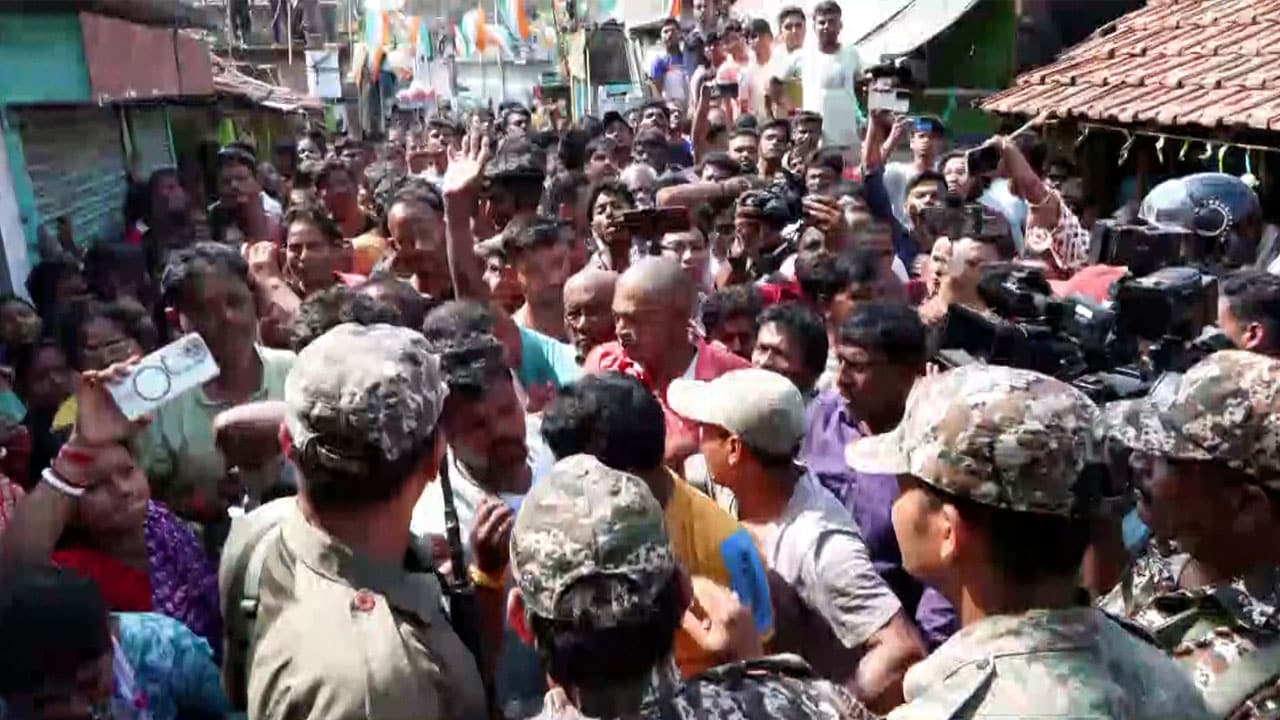
By the mid-2010s, a new and disturbing trend began to erode TMC’s political dominance—the systematic and widespread use of violence, especially around elections. Reports from numerous election cycles have alleged that TMC cadres, often with the backing of local leadership, tacit or overt, indulged in intimidation, booth capturing, ballot box tampering and outright violence against political opponents and dissenting voices within their own ranks.
Arson, physical assaults and even murders of rival party workers became regular headlines during the panchayat, municipal and assembly elections. Human rights groups and opposition parties have repeatedly accused the TMC of creating a climate of fear, effectively terrorising voters into silence and influencing poll results. The term “state-sponsored violence” was often used in the national media, especially after the 2018 panchayat elections, when opposition candidates in hundreds of seats could not even file their nominations due to threats and attacks.
Despite a TMC landslide in the 2021 assembly polls, the elections were marred by allegations of large-scale post-poll violence, including looting, forced displacement and targeted attacks on opposition supporters. The party’s reputation for electoral rigging and strong-arm tactics repeatedly brought independent observers and the courts into the fray.
From Populism to Patronage: Indiscipline Roots
The use of violence as a tool of political control became normalized, generating an atmosphere of impunity. The party’s dominance and lack of accountability allowed local leaders to behave like warlords in their own fiefdoms. Now the language of everyday life also included scandals about “cut money”, when party functionaries extorted bribes to get welfare benefits. There was a burst of intra-party violence and strong-arm tactics against political opponents. Grassroots activism that had brought TMC to power now seemed unmanageable, as the party’s social behavior reflected the worst excesses of patronage politics and local fiefdoms.
Allegations versus Reality: Unruliness Unleashed
By the late 2010s, TMC’s image was beginning to suffer. The Saradha chit fund scam, widespread allegations of electoral malpractices and a series of violent clashes between rival factions of the TMC showed an organisation trying to tame its own creation. Opponents said the party institutionalised violence and intimidation, and internal dissent was usually punished with public humiliation or expulsion.
Conclusion: A Party at a Crossroads
The Trinamool Congress remains a formidable political machine with an unmatched populist touch and grassroots network in Bengal. But the journey from a movement of hope to a party accused of indiscipline and lawlessness – and now synonymous with political chaos and electoral terror – is cautionary. TMC’s challenge is clear. Will it transform into a disciplined, principled party or remain a victim of its own undisciplined and violent success?
