
VHP Demands Ban on Namaz on Roads, Calls It ‘Power Display’
VHP leader Surendra Jain says road prayers violate law, disrupt public movement

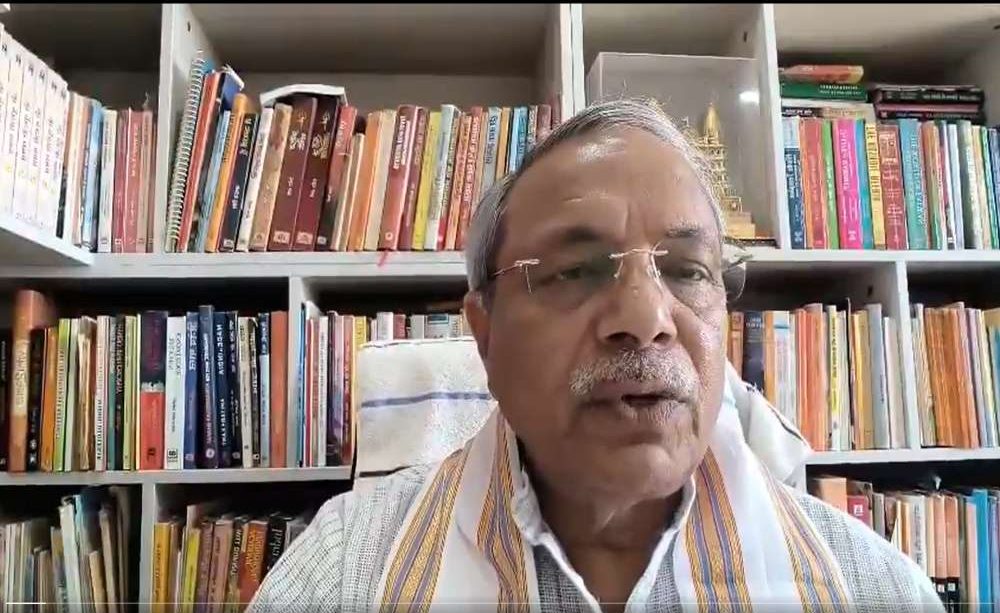
- VHP demands strict ban on offering namaz on roads
- Surendra Jain calls practice unconstitutional and disruptive
- Organisation cites court observations against road blockages
- VHP urges state governments to enforce legal restrictions
GG News Bureau
New Delhi, 21st May: Vishwa Hindu Parishad has demanded a strict ban on offering namaz on public roads, alleging that such practices create public disruption and violate constitutional norms.
Surendra Jain, Central Joint General Secretary of the VHP, said prayers conducted on roads were not merely a religious activity but amounted to public disorder and “power display”.
Addressing a statement issued in New Delhi, Jain claimed that multiple High Courts had previously passed orders restricting prayers on roads and that even the Supreme Court had indicated similar concerns.
He alleged that insisting on conducting namaz on roads amounted to disregard for judicial directions.
Jain said the issue was not limited to “five minutes” of prayer time and referred to alleged disruptions caused in cities such as Delhi and Gurugram.
According to him, traffic congestion during roadside prayers had earlier affected railway operations, highways, school transport and emergency ambulance movement.
The VHP leader also claimed that Islamic religious texts discourage prayers on public roads and stated that several Muslim-majority countries have imposed restrictions on such practices.
He questioned the need for conducting prayers on roads when mosques and other designated spaces are available.
Referring to earlier protests in Gurugram over public namaz gatherings, Jain alleged that people and prayer materials were brought from distant locations to organise large congregations.
He accused organisers of attempting to demonstrate numerical strength and pressure local administration through such gatherings.
The VHP appealed to all state governments to strictly prohibit prayers on roads and ensure compliance with judicial orders and constitutional provisions.
Jain also urged Muslim clerics and religious leaders to encourage adherence to law and public order.
The remarks are likely to trigger political debate amid continuing discussions over use of public spaces for religious activities in different parts of the country.
