
Akal Takht Censure of Mann Gives SAD Political Breathing Space
AAP Faces Religious Controversy as Akali Dal Sees Opportunity to Reclaim Lost Ground

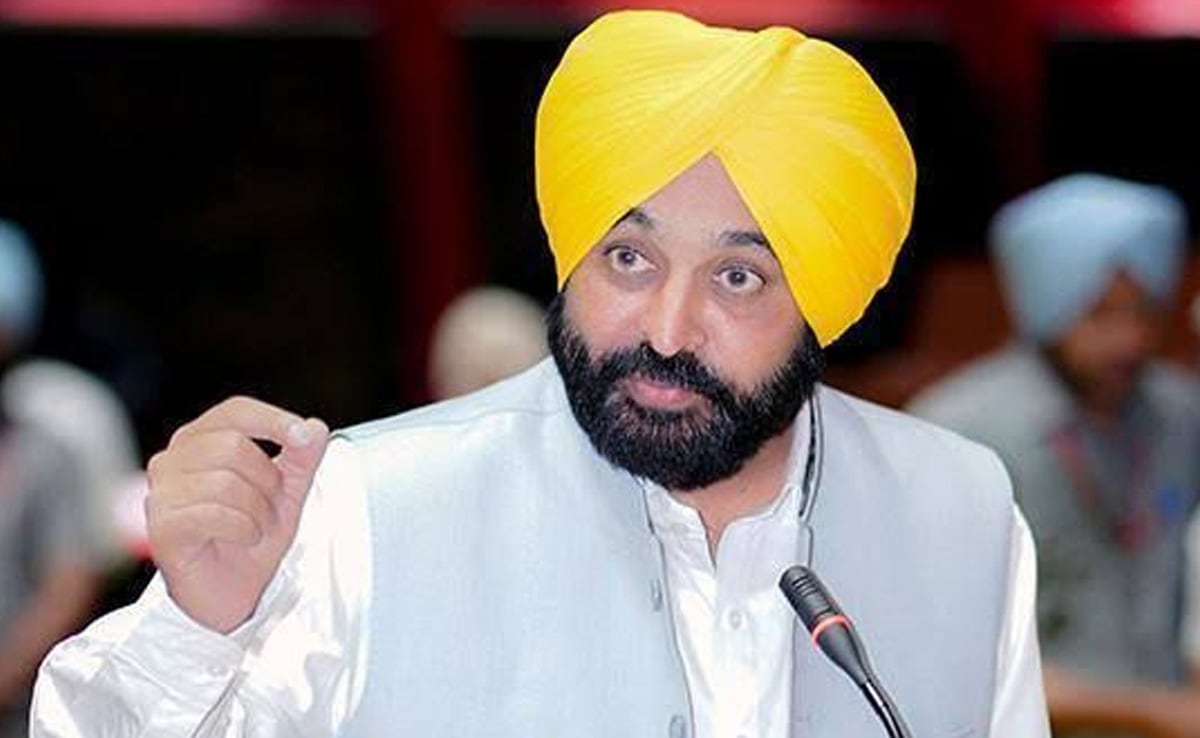
- Akal Takht’s action against Punjab CM Bhagwant Mann has triggered a major political controversy.
- The row shifts attention from SAD’s past sacrilege controversy to the ruling AAP government.
- Sukhbir Badal and the Akali Dal may get temporary relief, but rebuilding public trust remains a challenge.
- Experts believe Mann has not faced the scale of public anger that the Akalis encountered in 2015.
GG News Bureau
Chandigarh, 19th June: The unprecedented action by the Akal Takht against Punjab Chief Minister Bhagwant Mann has sparked a major political storm in the state, with the controversy likely to influence the political fortunes of both the ruling Aam Aadmi Party (AAP) and the Shiromani Akali Dal (SAD).
The controversy revolves around a disputed video in which a person is allegedly seen making objectionable gestures towards Sikh Gurus. While Mann and the Punjab government have maintained that the video is manipulated and that the Chief Minister does not appear in it, the Akal Takht, based on forensic reports presented before it, concluded that Mann was present in the video and had acted in a manner that hurt Sikh religious sentiments.
The development has emerged as one of the biggest religious and political challenges for the AAP government in Punjab. At the same time, it has provided the Akali Dal an opportunity to divert attention from the long-standing sacrilege issue that has significantly damaged its political standing over the past decade.
The SAD had faced severe criticism over incidents involving the desecration of Guru Granth Sahib and the subsequent police firing on protesters at Behbal Kalan and Kotkapura in 2015. The controversy contributed to the party’s defeats in the 2017 and 2022 Punjab Assembly elections and reduced its influence in state politics.
The crisis further deepened when SAD leader and former Deputy Chief Minister Sukhbir Singh Badal appeared before the Akal Takht and accepted religious punishment for mistakes committed during the Akali government’s tenure. The AAP repeatedly used those visuals to target the Akali leadership and question its moral authority on Sikh issues.
However, the political narrative has now taken a new turn. With the Akal Takht censuring Bhagwant Mann, the focus has shifted towards the sitting Chief Minister, allowing the Akali Dal to argue that questions over respect for Sikh institutions are not limited to one political party.
Political observers, however, underline that the two controversies are different in nature. While the allegations against the Akalis were linked to governance decisions and their handling of sacrilege-related incidents, the controversy surrounding Mann stems from a video that has generated an immediate emotional response among Sikh groups, despite the competing claims over its authenticity.
Professor Harjeshwar Pal Singh, who closely follows Punjab politics, said the current situation is different from the political environment of 2015.
“Back in 2015, there was a lot of discontent against the Akali Dal and the sacrilege incidents only added to the rising anger among the masses. That is why Sukhbir Badal and his party had to face public anger,” he said.
According to him, the AAP government managed the controversy more effectively by dismissing the video as fake from the beginning, preventing widespread anger against Mann and his administration.
The controversy also presents a political irony for the AAP, which had spent years attacking Sukhbir Badal using images of his apology before the Akal Takht. Today, the party’s own tallest leader is facing criticism from the same institution, giving the Akali Dal a rare opportunity to challenge AAP’s narrative on Sikh issues.
However, analysts believe the development alone may not guarantee a revival of the Akali Dal. The party’s biggest challenge remains regaining the confidence of voters who distanced themselves after the 2015 sacrilege controversy.
For now, the Akali Dal appears to be the immediate political beneficiary of the row, but converting this temporary relief into a long-term comeback will require a substantial rebuilding of public trust.
