Poonam Sharma
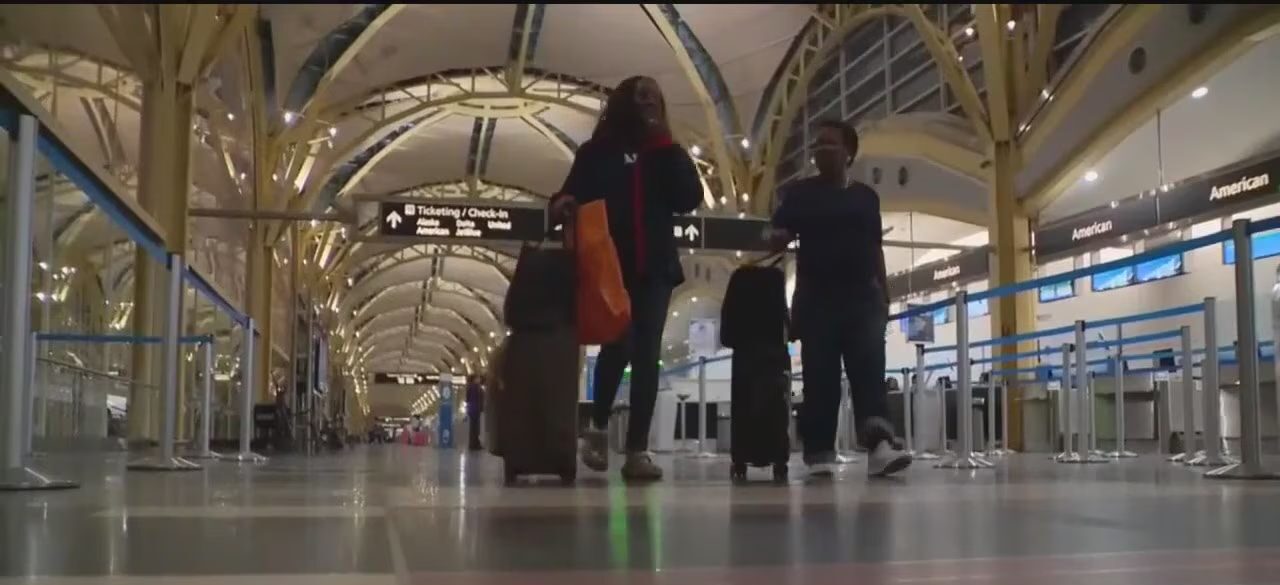
The nationwide aviation disruption in the United States on November 13, 2026 has exposed a fundamental vulnerability of modern air travel: the growing reliance of aviation safety on complex, interconnected digital and communications infrastructure. A technical problem as they say with the air traffic control systems forced the Federal Aviation Administration (FAA) to ground all departures nationwide for more than four hours. Thousands of flights were thrown into chaos, leaving passengers stranded and disrupting cargo operations. Flights were slowly returning to normal, but there was disruption over the weekend.
The incident has inevitably raised questions of a possible cyber-attack. Such a Large Aviation setup could how far afford this leaves a suspicion .But U.S. officials said at the time there were no signs of malicious cyber activity and the investigation had not identified a definitive root cause. The initial explanation focused on a failure of legacy communications equipment, and overloaded network components. So the question is not just whether hackers were involved but why is a critical aviation system still vulnerable to a failure that can bring down an entire national network.
The Suspicion of the cyberattack :
Understandably, a nationwide aviation outage raises security concerns at a time of growing cyber risks. The reliable operation of air traffic management depends on communication, navigation data, surveillance systems and digital information exchange. Any intentional interference with these functions could be very serious.
But the lack of confirmed evidence is important. No signs of a cyberattack have been found by investigators, but US Department of Homeland Security authorities continue to investigate possible technical causes. Investigators were also looking into whether the failure was linked to a software update, reports said. No definitive cause had been announced by 14 November.
That is a huge difference. Announcing a cyberattack without evidence risks misinformation, creating unnecessary public alarm and politicizing a technical investigation. Similarly, it would be equally irresponsible to prematurely dismiss cyber risks.
The appropriate response is a transparent investigation that considers hardware failure, software compatibility, network overload, maintenance procedures, human error and possible malicious interference. The final explanation should be based only on verified findings.
Aging infrastructure is a strategic vulnerability
The disruption has reignited concerns about the state of America’s air traffic control infrastructure. The FAA’s network had been running on aging equipment and previous assessments had highlighted widespread sustainability issues across its technology systems, Reuters said. The failures of previous communications also demonstrated how vulnerabilities in both the main and back-up links could combine to create huge delays.
This is more than just an engineering problem. Aviation networks are critical national infrastructure, underpinning commerce, tourism, emergency movements and international connectivity. They are directly tied to economic stability and national security.
The US Government Accountability Office’s aviation cybersecurity report from September 2026 adds another layer. It found deficiencies in the FAA’s processes for evaluating and addressing cyber risks related to communications, such as risks from signal jamming and spoofing. It also identified weaknesses in real-time monitoring and in protecting some communications applications.
There is no confirmation that the outage in November was a cyberattack They also demonstrate real vulnerabilities that require immediate attention in the sector.
Modernization must be about resilience, not just tech
Modernization. The replacement of old equipment with faster networks and smarter software is vital, but there are dangers when old and new systems have to work together. Poorly coordinated, poorly tested or poorly protected upgrades can introduce new points of failure.
Aviation authorities should therefore adopt a resilience-first approach. This includes independent testing before going live, staged upgrades, clear lines of responsibility between contractors and regulators and ongoing monitoring of network performance. Backup systems must be truly independent and able to sustain critical functions in the event of primary network failure.
Cybersecurity needs to be embedded in all infrastructure development phases. Regular penetration testing, secure authentication, software supply-chain verification and coordinated incident-response exercises should all be standard practice. Aviation operators need to be ready to do more than prevent attacks, they need to be able to maintain safe operations when systems fail, whether that be by accident or by deliberate interference.
Aviation security: the international dimension
The fallout from a major US aviation disruption extends beyond American airports. International airlines rely on American destinations, connecting hubs, cargo routes and coordinated flight schedules. A major disruption in one aviation market can impact the positioning of aircraft, the availability of crews, passenger connections and freight deliveries across continents. This interconnection means that aviation resilience is an international responsibility. Relevant threat intelligence must be shared by governments, airlines, airport operators, technology providers and air navigation service providers, while protecting sensitive operational information.
International cooperation can assist the International Civil Aviation Organization (ICAO) to strengthen common approaches to aviation cybersecurity, emergency preparedness and operational continuity. National security interests should not prevent the exchange of information needed to protect civil aviation.
This is a particularly important lesson for developing aviation markets where rapid growth in passenger traffic needs to be matched by investment in safe communication, modern air traffic management and trained technical staff.
Institutions’ accountability and passengers’ confidence
A canceled flight is more than just an inconvenience for passengers. It can mean missed doctor’s appointments, lost business opportunities, disrupted family commitments and unplanned accommodation costs. Airlines and airports need to be clear in their communications, timely in their updates and explain options for refunds or rebooking.
Governments should also make public the credible findings of investigations and what corrective actions will be taken. Accountability must also extend to the maintenance of infrastructure, decisions on procurement, the performance of contractors and the management of technological upgrades.
You can’t just give assurances to get public confidence back. This needs to demonstrate improvements and evidence that the identified weaknesses are being addressed.
Conclusion: Aviation safety is a matter of digital resilience
The US aviation disruption should be seen as a warning, not an opportunity to speculate. No evidence is available to prove that the incident was the result of a cyberattack. However, the event has highlighted the consequences of a failure of communications in a highly interconnected transport system and has re-iterated concerns already raised by cyber security assessments.
Faster planes, artificial intelligence and automated air traffic management are all set to play a part, but the future of aviation will also depend on reliable infrastructure, secure digital communication and effective contingency planning.
Aviation authorities need to ensure that the modernization improves resilience and does not create new vulnerabilities. A safe aviation system is not tested by its ability to function under ideal conditions but by its ability to survive technical failures, to resist malicious interference and to recover without endangering public safety. This has thrown many lessons for all the countries to learn.