Poonam Sharma
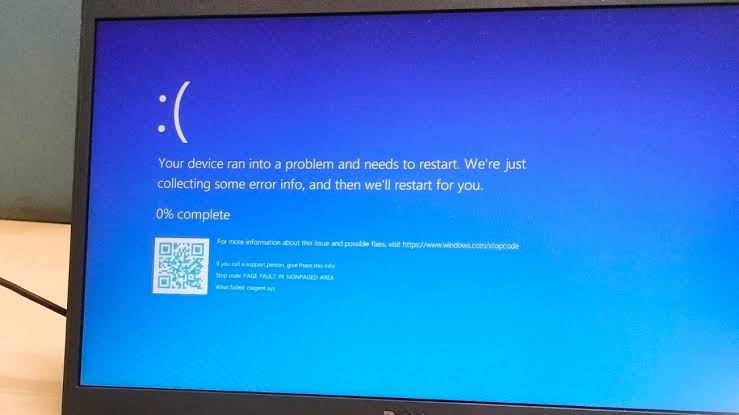
The outage, which hit Microsoft’s cloud-based services like Outlook, Teams, OneDrive, SharePoint, Word, Excel and even AI tools like Copilot, brought a digitally connected world to a rare, collective standstill. This crisis, which has affected more than 130,000 users across 74 countries, has exposed a failure of technology and a deep weakness in the way that organizations and individuals have become entirely caught up in the ecosystem of a single provider.
A Crisis Unfolds in Real Time
It started innocently enough: users couldn’t access email or join scheduled Teams meetings for the day. But within hours the scope went worldwide. The outage spanned continents and industries, interrupting vital workflows. From office workers who couldn’t open spreadsheets to multinational companies missing critical project deadlines, even newsroom professionals said they were locked out of their own content. Microsoft, meanwhile, was quick to reassure the public that there was no evidence of a cyberattack, but that the infrastructure was suffering from “elevated load” and that key server components were failing. It turned out that the root cause was a network layer misconfiguration — a seemingly simple error with global repercussions.
One Ecosystem, Many Vulnerabilities
The episode highlighted an uncomfortable truth: Businesses everyplace are more digitally connected—and more digitally fragile—than ever before. For the last 10 years, companies have been moving their data, collaboration tools and business logic to the cloud to get the promise of seamless updates, access anytime and scalable infrastructure. But as this Microsoft incident indicated, the dependence on a single cloud ecosystem creates a critical point of failure.The outage didn’t just affect Microsoft’s core services, but quickly spread to dependent platforms, including AI connectors used by Anthropic Services and Open AI. Even everyday file storage, project management platforms and AI tools all ground to a halt. It shows that vulnerability now extends well beyond Microsoft’s own branded apps. That is the kind of interconnected fragility that is a signature of the cloud era, where one vendor’s blackout is everyone’s downtime.Human and economic cost It is tempting to view outages in purely technical terms, but the impact is much deeper:
Disrupted Business Operations: Lost productivity, missed deadlines, and stalled projects can total billions, especially for multinational companies.
AI & Cloud-Driven Workflows: Modern work depends on AI assistants and cloud APIs. Such outages freeze innovation and automation pipelines, as when even tools from OpenAI became unusable.
Workplace stress takes on a new dimension in crisis moments due to digital reliance, ranging from IT managers grappling with restoring functionality to employees worrying about deadlines and communications.
Ripple Effects Across the Ecosystem: With businesses across sectors idling, there’s a domino effect – supply chains delayed, customer service stalled, and a temporary hit to public trust in technology reliability.
Root Causes:Not Just a Glitch
In this particular instance, Microsoft said, it was a network misconfiguration that sent servers such bad instructions they crashed, leaving the rest to cope with a tsunami of user traffic. But the bigger lesson is that the more complex things get the more likely “simple mistakes” will reverberate wildly. Automated network checks, configuration updates and system restarts are all part of the daily hygiene routine, but none are immune to the possibility of human or algorithmic error. In such tightly coupled systems, redundancy and layered fail-safes are not merely best practice, they are a must.The Preparedness Fundamentally, the crisis poses a vital question: Are businesses today truly prepared for digital infrastructure to fail? Cloud service-level agreements promise reliability in theory, but the reality is that when Microsoft stumbles, so does the world.
The message for organizations is clear
Develop Multi-Cloud and Hybrid Strategies: “Being dependent on one vendor is dangerous.” Distribute critical workloads and backups across multiple cloud vendors, or keep fallbacks on-premises.
Scenario Planning and Simulation: Conduct regular “what if” scenarios for infrastructure outages, including phishing countermeasures, so that when a real crisis hits, people respond with trained calm, not chaos.
Communication is Key: Set up clear and fast internal and external communication protocols for downtime so customers and partners know what is going on and what to expect.
Review service dependencies Many organizations don’t know how deeply Microsoft (or another vendor’s) tools are embedded in their day-to-day work until there is an outage. “Proactively map your business-critical dependencies.
Conclusion
Restoring Our Resilience in a Connected WorldThe Microsoft outage was a digital earthquake felt around the planet, a jarring reminder that our productivity, creativity and very ways of working depend on the stability of complex, often invisible, digital infrastructure. The answer is not to avoid the cloud, but to strengthen it with resilience, planning and diversification. Digital connectedness should not entail digital fragility. It’s time to build systems — and attitudes — for a future where technology strengthens, not threatens, our work.