
Iran FM offers Trump 7 day peace plan to reopen Strait of Hormuz, restart talks

By Anjali Sharma
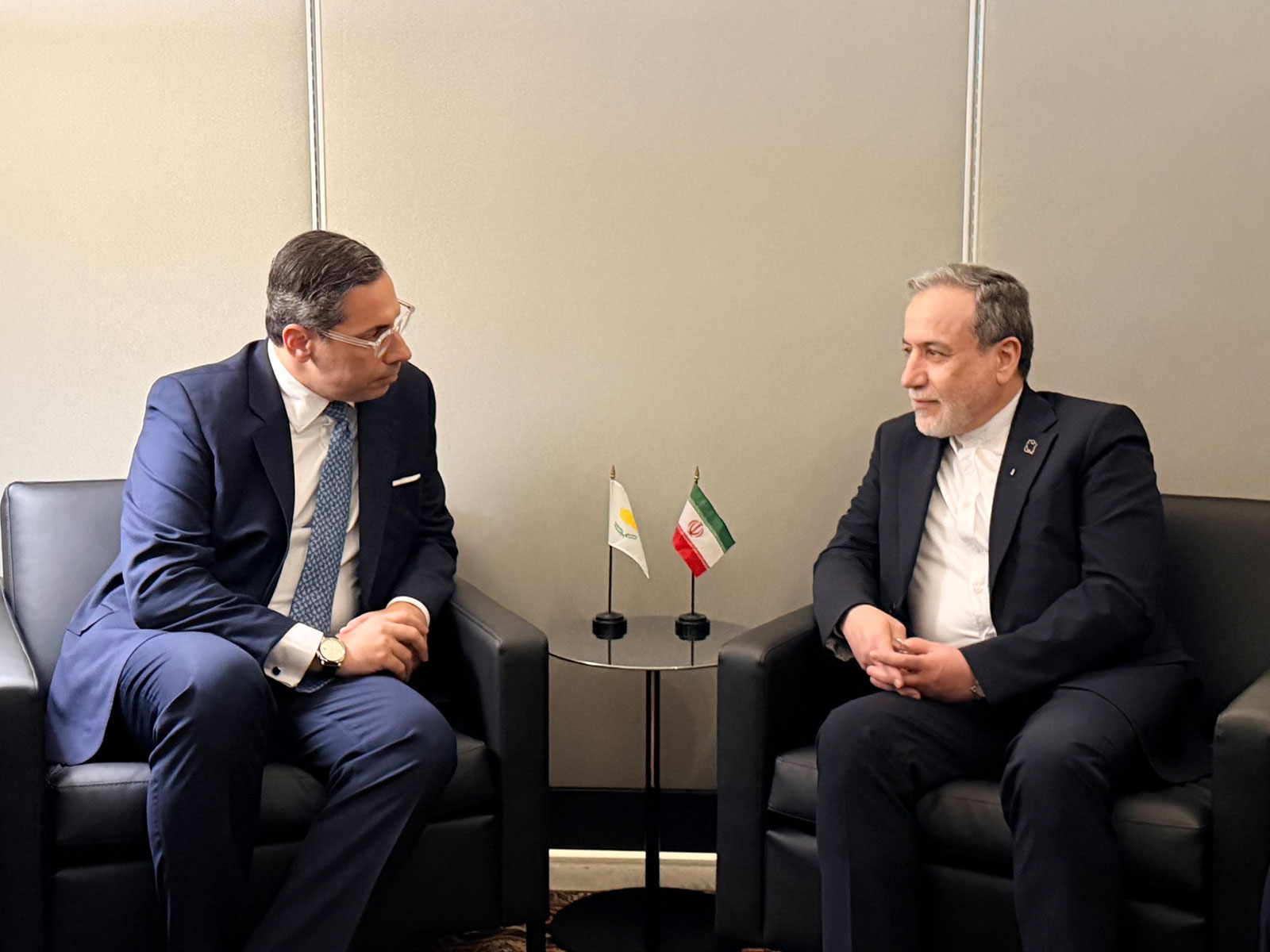
UNITED NATIONS –Iran Foreign Minister Abbas Araghchi on Thursday has offered the Trump administration a 7 day route towards reopening the Strait of Hormuz and restarting negotiations, putting a new diplomatic proposal on the table as Tehran and Washington seek a possible way out of their months-long conflict.
The initiative was conveyed through intermediaries during contacts this week, with Tehran stated its conditions broadly resemble an understanding reached with Washington in June.
Abbas Araghchi said the proposal was conveyed to US officials through intermediaries during indirect contacts this week.
He disclosed the initiative while speaking to reporters on the sidelines of the UN General Assembly in New York, according to The Washington Post.
The proposal brings together two of the most consequential issues in the conflict — restoring shipping through the Strait of Hormuz and returning the US and Iran to negotiations.
Araghchi said its conditions were similar to those contained in an understanding reached between the two countries in June.
“The conditions we asked are nothing new,” he said.
It remains unclear whether Washington will accept the proposal.
The Strait of Hormuz has emerged as a central issue in efforts to find a diplomatic way out of the conflict.
Iran is prepared to reopen the strategically important waterway within a week if the US eases military pressure and lifts its blockade on Iranian ports, Reuters reported earlier this week, cited a senior Iranian official.
One fifth and one-quarter of the world’s oil supplies ordinarily pass through the strait.
Shipping through the waterway slowed sharply after Iran mined it and warned vessels against attempting passage without coordinating with Tehran.
Iran views the June understanding as recognising its control over the strait.
The US and its regional partners reject that interpretation.
The diplomatic move follows a stark warning from US President Donald Trump during his address to the UN General Assembly on Tuesday.
Trump said Iran faced a choice between reaching an agreement and “annihilation”. He also suggested that a deal could come soon.
He confirmed that contacts with Iran had taken place.
Iran President Masoud Pezeshkian responded from the UNGA a day later, stated Tehran remained willing to negotiate but would not do so under military pressure.
“We are ready for dialogue and diplomacy and negotiations without accepting the language of force,” Pezeshkian said.
Iran remained open to talks while rejected US pressure is also reflected in reporting on his UN address.
“Iran must be powerful so as to avoid being threatened, to avoid its future being threatened,” he said.
He said that any return to negotiations would also have to confront the dispute over Iran’s nuclear programme.
Trump has said the US entered the war alongside Israel to prevent Iran from acquiring nuclear weapons.
Pezeshkian insisted that Tehran would not pursue nuclear arms while defended Iran’s right to develop peaceful nuclear technology.
Trump wants safeguards that would prevent Tehran from developing a nuclear weapon.
Iranian officials insisted that the country must retain a civilian nuclear programme.
