
Russia backs India, Brazil for UNSC perm seats, shuts door on Germany, Japan
Moscow supports India and Brazil for permanent membership while opposing similar bids by Germany and Japan.

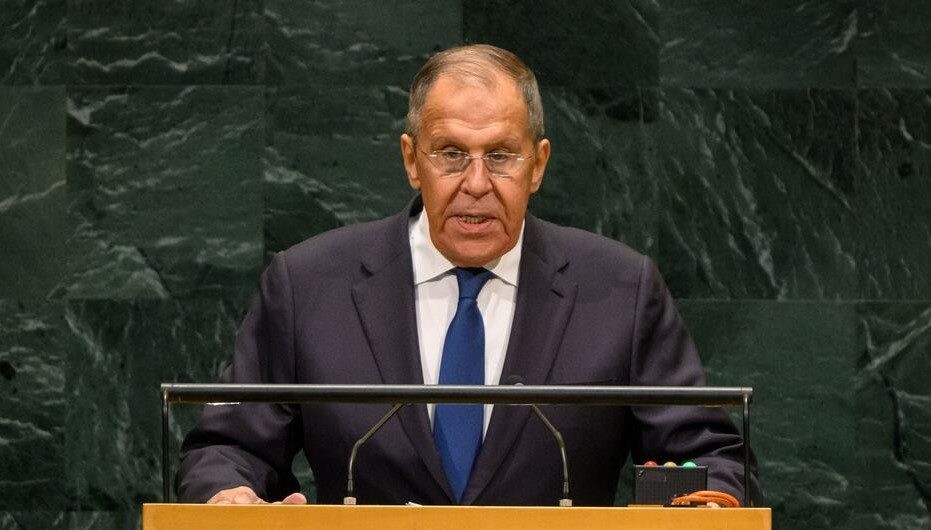
- Russia backs India and Brazil for permanent UNSC seats.
- Moscow rejects permanent membership for Germany and Japan.
- G4 nations continue joint efforts for Security Council reform.
- Mauritius and Portugal also voice support for India’s candidature.
By Anjali Sharma
UNITED NATIONS – Russia on Saturday has backed India and Brazil for permanent seats on the UN Security Council but rejected similar claims by Germany and Japan, drawn a sharp distinction between members of the G4 coalition campaigned together for Council reform.
India, Brazil, Germany and Japan campaign together through the G4 for an expanded Security Council, but Moscow’s latest position supports only two members of the four-nation coalition.
Russian Foreign Minister Sergey Lavrov set out Moscow’s position during the 81st session of the UN General Assembly in New York.
He argued that an expanded Council should give greater representation to Asia, Africa and Latin America rather than add more Western members.
The position puts Russia firmly behind New Delhi’s bid while cutting across the G4’s collective campaign.
India, Brazil, Germany and Japan have jointly sought permanent membership of an expanded Security Council and support one another’s candidatures.
Lavrov said Russia opposed additional seats for Western countries and singled out Germany and Japan, accused the two countries of being on a path towards “militarism and revanchism”.
Moscow wants greater representation for developing regions and has explicitly supported India and Brazil as candidates for permanent membership.
The Russian position creates an unusual divide over the G4.
Moscow supports two members of the coalition, it is opposed to permanent membership for the other two.
G4 have continued to coordinate their push for Security Council reform. Their position calls for expansion in both permanent and non-permanent categories, with greater representation for regions currently underrepresented.
The contrast is significant because India’s UNSC campaign is closely tied to its coordination with the other G4 countries.
New Delhi’s stated position is that Security Council reform should include expansion of both permanent and non-permanent membership.
The G4 has pursued the same broad objective, with India, Brazil, Germany and Japan presenting themselves as aspiring permanent members.
Russia is seeking a different composition.
It had backed India and Brazil is part of a broader call for greater representation for Asia, Africa and Latin America.
Moscow also supports increased African representation on the Council.
India’s candidature also received backing from Mauritius during the high-level debate.
Mauritius Foreign Minister Dhananjay Ramful reiterated his country’s support for India while also backing the G4 and L69 efforts towards a more representative Security Council.
Portugal also supported permanent representation for India and Brazil, along with Africa, while the Marshall Islands backed Japan and its G4 partners.
It called for greater African representation have featured prominently in the debate over Council reform.
The President of the 81st UN General Assembly has also identified Africa’s underrepresentation as a priority, stated the continent should not have to wait indefinitely for greater representation.
UN Secretariat does not decide which countries should receive permanent seats.
The question is ultimately one for member states.
India has made reform of the Security Council a longstanding foreign policy priority and continues to work through groupings including the G4 and L69 to press for changes to its composition.
The latest Russian intervention offers India something New Delhi has long sought — explicit backing from an existing permanent member while exposing a fundamental disagreement over whether all four G4 partners should ultimately get seats at the same table.
