
Trump rejects Iran Hormuz deal as Tehran keeps talks open
Trump says he rejected Iran’s proposal, while Tehran awaits a formal US response before deciding its next move.

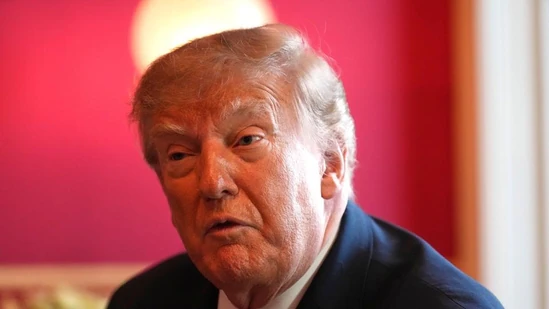
- Trump says Washington has rejected Iran’s Hormuz proposal.
- Tehran says it has not received a formal US response.
- Iran links reopening the strait to US action on its conditions.
- Seven-day roadmap envisages renewed nuclear talks.
By Anjali Sharma
WASHINGTON – US President Donald Trump on Sunday reported that the rejection of the Iran proposal, stated it will wait for a formal response through mediators before deciding its next move.
Iran is keeping its latest diplomatic offer to Washington alive despite the latest development.
Tehran said that it has tied reopening the strategic waterway to US action on its stated conditions, with its latest roadmap envisaging renewed nuclear negotiations on the 7th day.
Foreign Minister Abbas Araghchi said Tehran had taken note of Trump’s reaction to its seven-day roadmap but had not yet received Washington’s official position.
The proposal seeks to halt the conflict, reopen the Strait of Hormuz and pave the way for talks over Iran’s nuclear programme.
Media reported that Trump had rejected the Iranian offer, cited unnamed US officials.
The US government has not publicly issued a formal response to the roadmap.
Araghchi indicated that Tehran would make its final decision only after receiving Washington’s position through mediators.
“Our conditions are clear, and any move toward reopening the Strait of Hormuz,” he said.
“Only a negotiated solution can get them (the US) out of this deadlock; that is our position,” he added.
Trump has publicly dismissed the proposed arrangement.
“I’m rejecting their deal,” Trump told The Wall Street Journal.
The newspaper also reported, cited unnamed US officials, that Trump had told aides he expected to resume bombing Iran after the November midterm elections.
The reported position came days after Trump threatened Iran with further military action during his address to the UN General Assembly.
Iran presented the plan this week as a route towards ending the conflict and restoring normal passage through the Strait of Hormuz.
Under the proposal, the initial steps would be completed within four to five days.
The strait would reopen on the 6th day, followed by negotiations between Tehran and Washington on a final agreement on the seventh day.
The plan requires Washington to take a series of steps before Iran reopens the waterway.
These include lifting the naval blockade of Iranian ports, waiving sanctions on Iranian oil sales and releasing frozen Iranian assets. It also calls for a halt to hostilities across the region.
Tehran would reopen the Strait of Hormuz and begin negotiations with Washington over a final agreement, including discussions concerning Iran’s nuclear programme.
Araghchi has said the seven-day clock would begin once the United States accepts the proposal
He said the latest proposal draws on the memorandum of understanding reached between Iran and the United States in June.
That agreement, reached after mediation by Qatar and Pakistan, envisaged a longer window for negotiations but later unravelled.
The latest proposal compresses the process into seven days.
Tehran said it is waiting for the formal American response before deciding whether the conditions exist to reopen the Strait of Hormuz and move towards broader negotiations.
