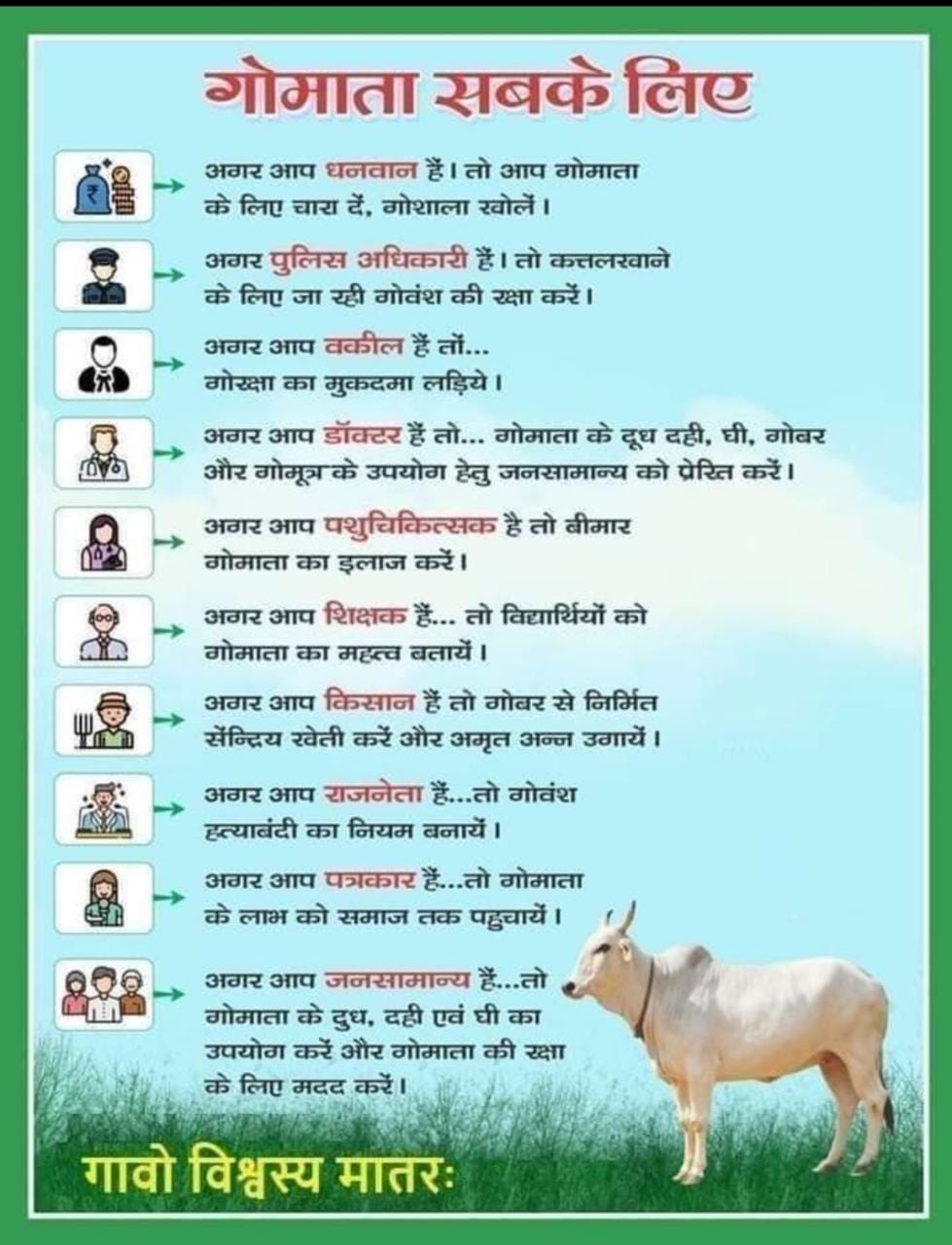
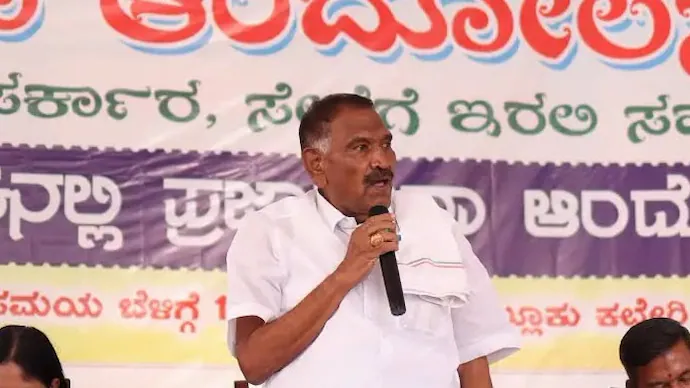
- 14th Panchgavya National Medical Conference scheduled for November 27–29.
- Amarkantak to host discussions on indigenous cattle and sustainable development.
- Dr Kamal Tawari calls for a coordinated rural development strategy.
- Conference to focus on research, public participation and practical implementation.
GG News Bureau
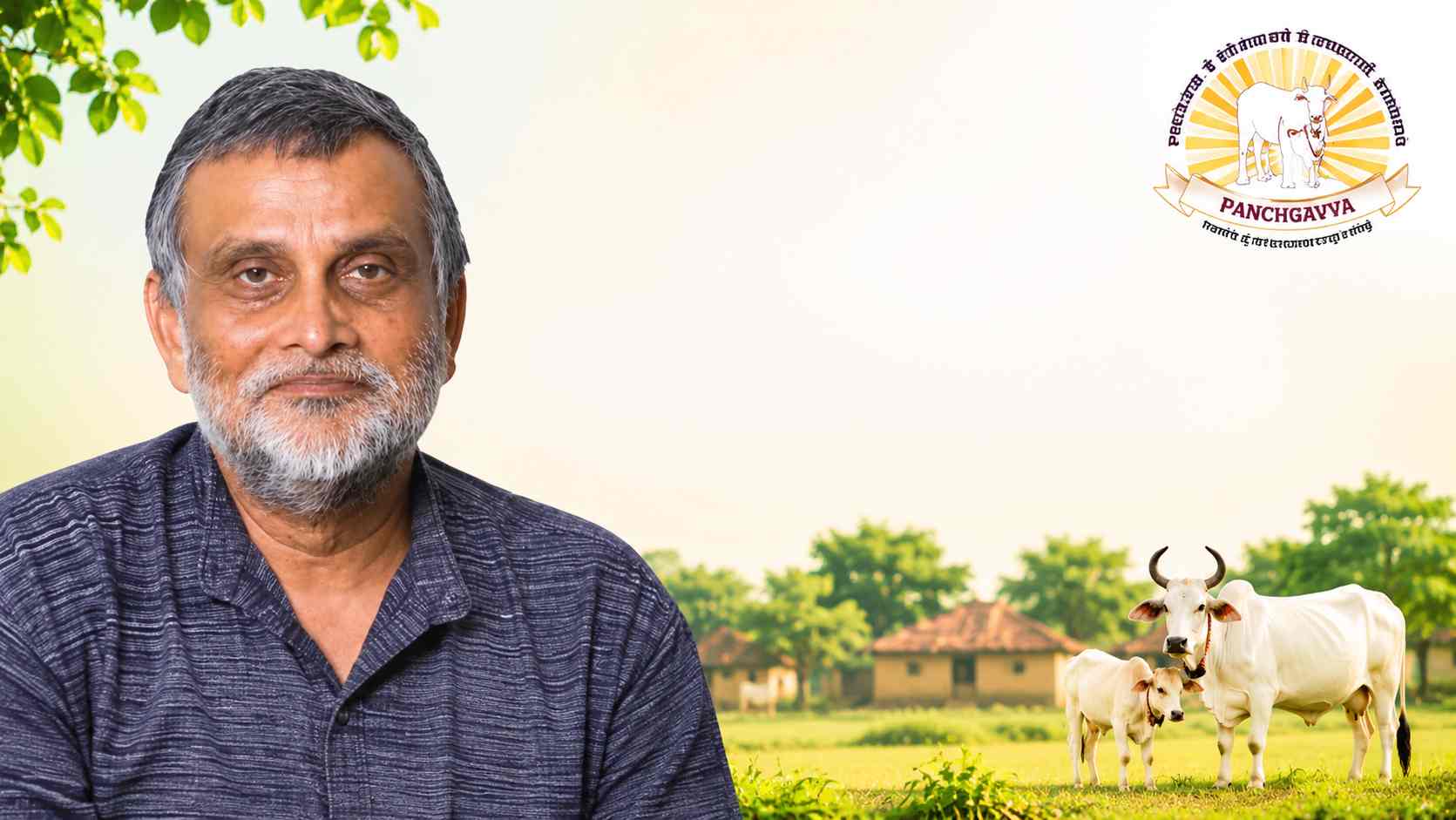
Amarkantak, 11th Nov: The 14th Panchgavya National Medical Conference–2026, scheduled to be held in Amarkantak from November 27 to 29, will focus on the potential of indigenous cattle, village self-governance and sustainable development in shaping a rural development model for India and the wider world.
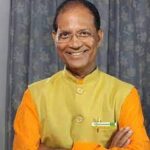
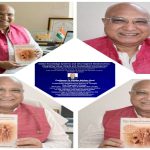
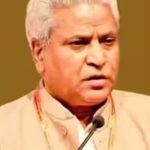
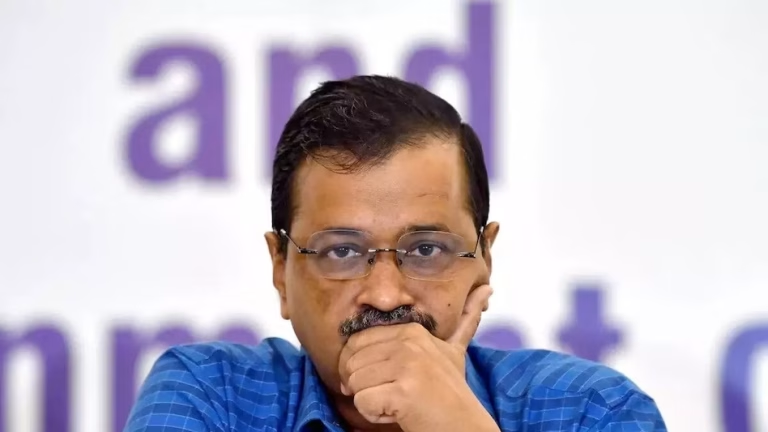
In a message ahead of the conference, Kamalanand (Dr Kamal Taori), former Secretary to the Government of India and Vice-Chancellor of Panchgavya Vidyapeetham, described the event as an opportunity to bring together traditional knowledge, rural economic practices, environmental protection and healthcare-related discussions under a common platform.
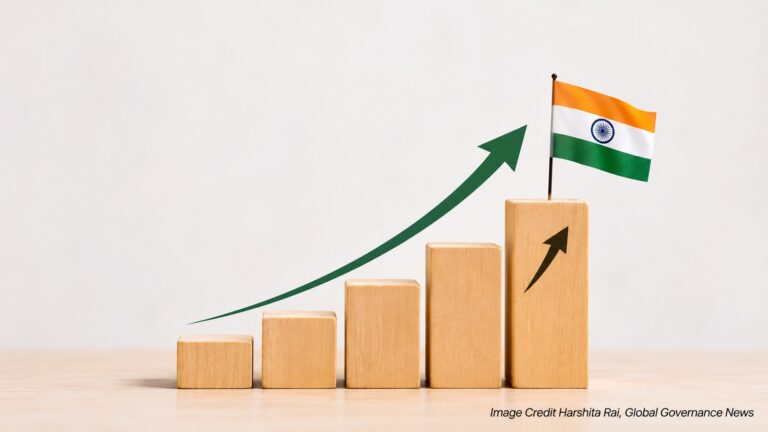
He said the global search for sustainable development models has become increasingly important as countries face challenges related to employment, environmental imbalance, public health and economic inequality. According to him, India has the potential to contribute through an approach based on indigenous cattle, decentralisation, Gram Swaraj and a Ganga-centred way of life.
Focus on Rural Economy and Indigenous Knowledge
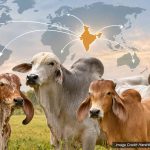
Dr Taori said indigenous cattle could form an important part of a decentralised rural economy, supporting local production, village-level self-reliance and the conservation of natural resources. He emphasised the need to connect these areas rather than treat employment, health, environmental protection and rural development as separate concerns.
He also highlighted the experiences of individuals and institutions working in related fields, including the Swadeshi ideas associated with the late Rajiv Dixit, the initiatives of Panchgavya Vidyapeetham and organisations engaged in cow-based economic activities, natural healthcare practices and rural self-reliance.
He called for these experiences to be brought together through research, knowledge-sharing, innovation and a collective action plan. He said the next step should be to move beyond isolated experiments and develop practical strategies that can be implemented at the community level.
Call for Policy Action and Public Participation
The former government secretary stressed the need for effective policy initiatives beyond government institutions, with greater participation from civil society, researchers, social organisations and local communities.
He said policy discussions should translate into measurable action, reaching people at the grassroots level. The proposed approach, he added, should include clear implementation plans, defined responsibilities and sustained cooperation among participating organisations.
Dr Taori expressed hope that the three-day conference would provide a platform for scholars, practitioners, cow-protection workers, Panchgavya experts, researchers and social activists from across the country to exchange ideas and develop a practical roadmap.
He also extended his greetings to the organisers, associates, scholars and participants, and acknowledged the contributions of Pro Vice-Chancellor Shri Kumar Rakesh and other members associated with the event.
Traditional Knowledge and Global Development Debate
The conference is expected to examine how India’s traditional knowledge systems and rural practices can be connected with contemporary development requirements. Dr Taori said indigenous cattle should be viewed not only as a cultural and faith-related symbol but also in the context of rural livelihoods, local economic activity and a balanced relationship with nature.
The organisers and participants are expected to use the Amarkantak gathering to discuss ways of translating these ideas into sustainable initiatives. The emphasis, according to Dr Taori, should be on developing an actionable strategy rather than limiting the conference to discussions.