
ANTF Conference Ends With Focus on 2029 Drug-Free India Goal
States and UTs reaffirm commitment to Vision Document on Narcotics Control 2026–29; NCB calls for stronger intelligence-sharing and state-specific roadmaps

GG News Bureau
New Delhi, 24th Sept: The 3rd National Conference of Anti-Narcotics Task Force (ANTF) Heads concluded in New Delhi with States and Union Territories reaffirming their commitment to implementing the Vision Document on Narcotics Control (2026–29) and intensifying efforts against drug trafficking.
The two-day conference, held under the theme “United Resolve, Shared Responsibility”, was organised by the Narcotics Control Bureau (NCB) and brought together ANTF Heads from 36 States and UTs along with representatives of various government departments.
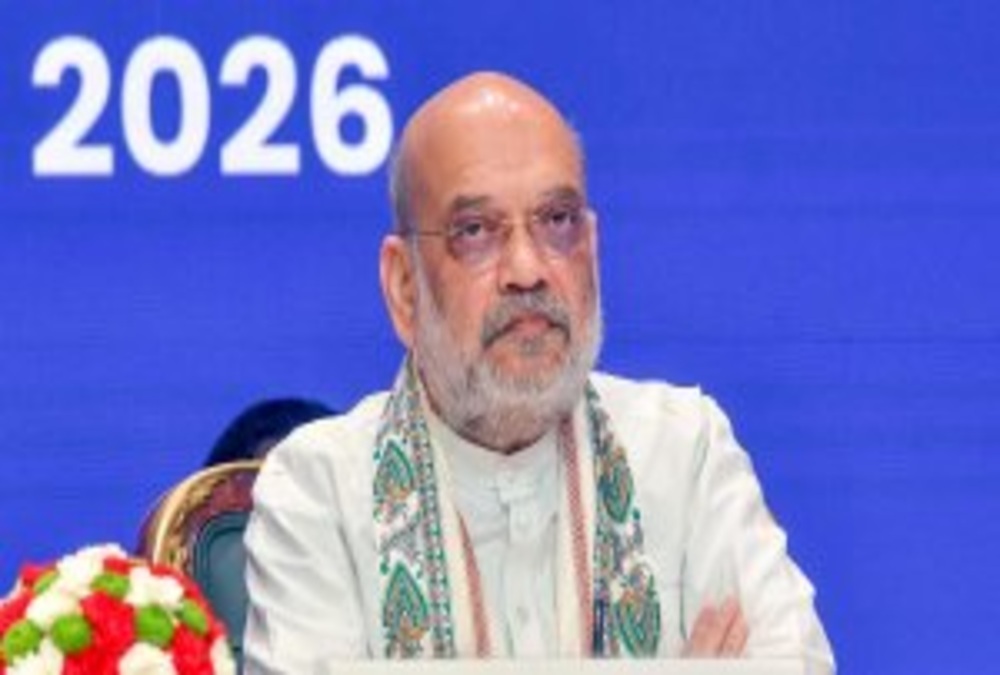
The conference, inaugurated by Union Home and Cooperation Minister Amit Shah on September 22, featured technical sessions on institutional mechanisms, demand reduction, prevention and rehabilitation, as well as dismantling drug trafficking networks and cartels. The deliberations also focused on financial profiling, the effective use of the PITNDPS Act and prosecution of organised trafficking networks.
A dedicated session examined measures for preventing drug use among young people, including the UGC’s Nasha Mukt Campus Framework, implementation of 500-metre Drug-Free Zones around educational institutions, expansion of the Nasha Mukt Bharat Abhiyan and strengthening of de-addiction centres.
The second day focused on international coordination, including cooperation with INTERPOL and foreign agencies, deportation of fugitives and financial investigations. Officials also discussed digital databases such as NIDAAN, e-Sakshya, e-Prison and CCTNS, along with Nar-K9, synthetic-drug analysis and the MAC platform.
The conference further examined emerging challenges involving precursor chemicals, synthetic drugs and clandestine laboratories, as well as drug offences involving the darknet and cryptocurrency.
In his valedictory address, the DG, NCB urged States to formulate their own three-year roadmaps based on their specific challenges and requirements while remaining aligned with the National Vision Document on Narcotics Control 2026–29. He also stressed stronger intelligence-sharing and coordination among enforcement and intelligence agencies to identify and dismantle transnational, inter-state and intra-state drug networks.
The NCB also highlighted the Railway Protection Force’s narcotics cell and a proposed MoU between the NCB and RPF for institutionalising capacity building, information exchange and joint operations to tackle drug trafficking through the railway network.
