














































































































By Anjali Sharma
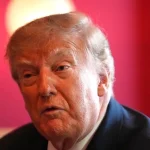
WASHINGTON – US President Donald Trump on Thursday has acknowledged that the war with Iran contributed to the Republican Party’s defeat in the 2026 US midterm elections, but insisted he would launch the military campaign again despite its political consequences.
Trump linked the Republican defeat to rising petrol prices, while Vice President JD Vance said disillusioned Trump supporters had shifted towards the Democrats.
Speaking to reporters at the White House on Wednesday, Trump agreed with Vice President JD Vance’s assessment that the conflict had hurt Republican candidates, particularly by driving up petrol prices.
“I think it’s largely true,” Trump said when asked whether the war had contributed to the party’s losses.
He defended the decision to attack Iran, said preventing Tehran from acquiring nuclear weapons outweighed the electoral consequences.
“If I had it to do again, I’d have to do it again,” he said.
His remarks came as Democrats secured control of both chambers of Congress in Tuesday’s elections, delivering a major setback to the Republican administration.
GOP defeat has brought the domestic political cost of the Iran war into sharper focus, with the President and his deputy publicly acknowledging that the conflict contributed to voter dissatisfaction.
Their explanations, however, reveal different priorities.
Trump has framed the military campaign as a necessary national security decision whose political and economic consequences were unavoidable.
Vance has argued that the war was the principal reason Republicans lost and that the party must confront the concerns of voters who supported Trump in 2024 but backed Democrats two years later.
The distinction could influence how GOP respond to the defeat, as the administration considers its next steps in Iran and the party begins preparing for the 2028 presidential election.
Vance in a lengthy post on X challenged the argument that Republicans had lost primarily because their supporters failed to vote.
“The reason we lost is the war,” he wrote, saying internal campaign assessments indicated that Republican turnout had not collapsed.
Vance said, some voters who supported the Trump-Vance ticket in 2024 had become dissatisfied with the administration and voted for Democratic candidates in the midterms.
He identified four concerns raised by disaffected voters in internal polling: ending the Iran war, tackling inflation and living costs, prioritizing an America First agenda, and changing Washington’s relationship with Israel.
Vance argued that Republicans needed to recognize these grievances rather than attribute the defeat solely to campaign organization or turnout.
Trump defended the operation during an appearance at the construction site of the new White House ballroom.
He said he had anticipated a substantial increase in oil prices when the campaign began but considered military action necessary to prevent Iran from developing nuclear weapons.
The President also claimed that US operations had severely weakened Iran’s military capabilities.
He pointed to renewed oil shipments through the Strait of Hormuz as evidence that the economic disruption had eased.
POTUS also suggested that his absence from the ballot had contributed to Republican losses.
“If I were on the ballot, we would have won,” he said.
He argued that enthusiasm among supporters attending his rallies had not translated into equivalent support for other Republican candidates.
The administration’s explanation does not fully capture the range of concerns identified in independent voter surveys.
According to media reports Voter Poll of people voting in US House races, the following proportions described each issue as crucial to their vote:
The findings suggested that the war was a significant electoral concern, but not the only issue troubling voters.
They also complicate Vance’s argument that the conflict was the decisive reason for the defeat. Economic pressures extended beyond fuel prices, with healthcare costs and broader household expenses also weighing on voters.
Democrats’ victories in the House of Representatives and Senate will reshape the balance of power in Washington when the new Congress takes office in January.
Control of the House will give Democrats the ability to lead committees, initiate investigations and intensify scrutiny of the administration’s handling of the Iran war.
A Senate majority will strengthen their influence over legislation and presidential nominations.
Trump has indicated that he is prepared to negotiate with Democrats but has also emphasized his willingness to veto legislation he opposes.
The immediate question is whether the electoral backlash will alter the administration’s military strategy or deepen disagreement within Republican ranks over the course of the conflict.
Trump has offered no indication that the election result has changed his position on Iran.