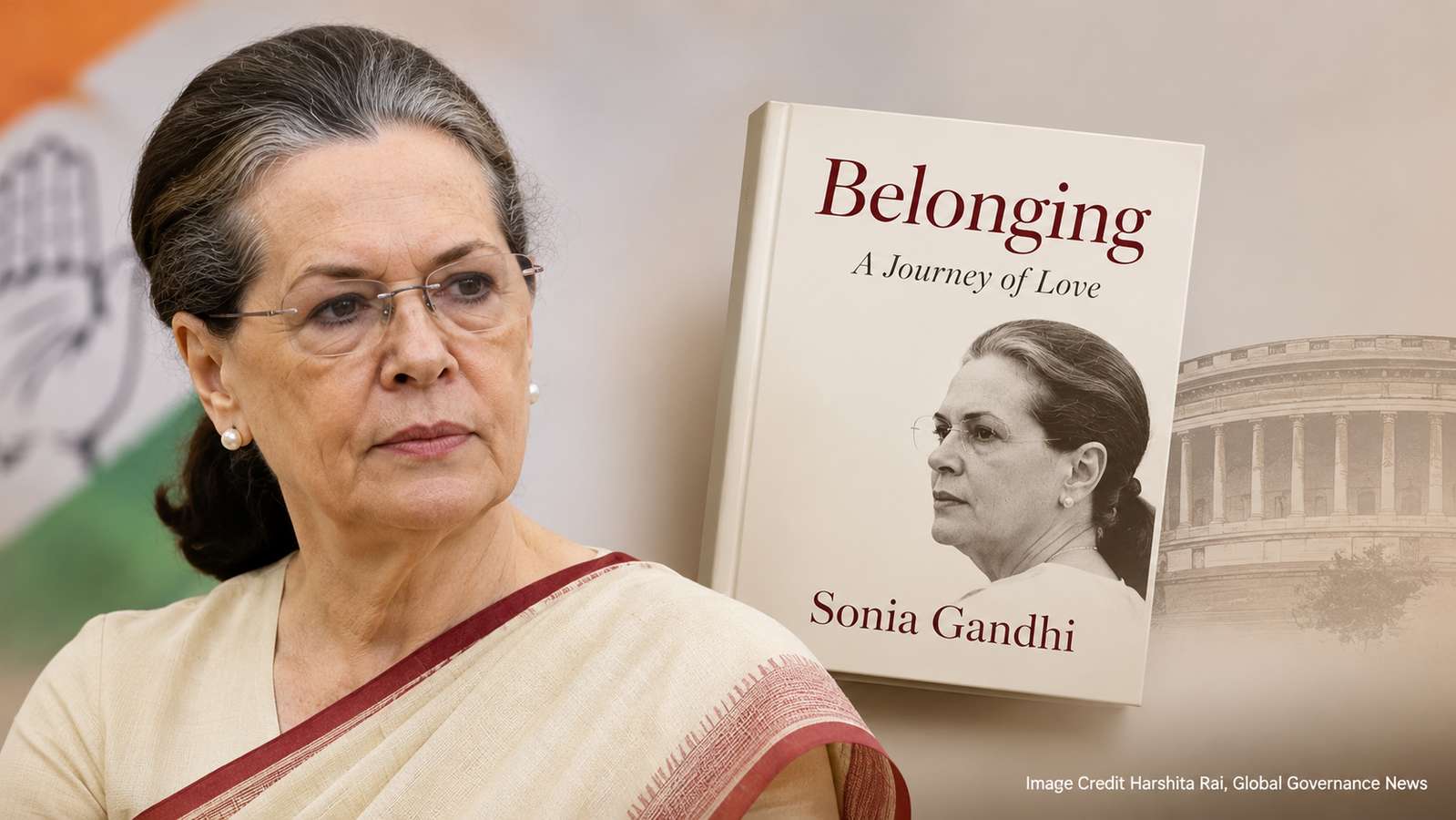
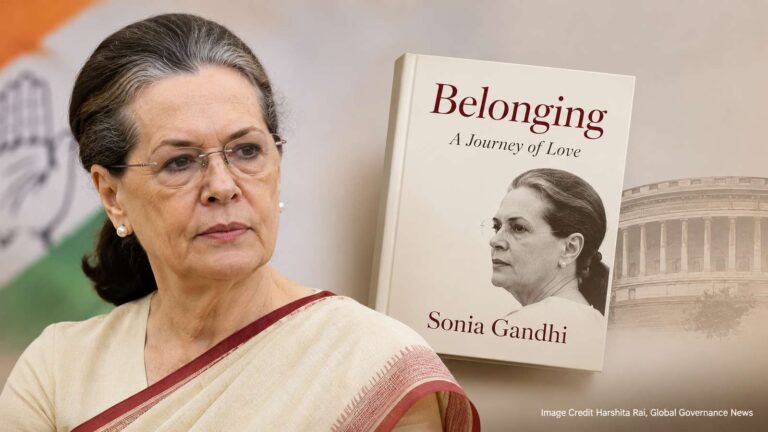
- BJP spokesperson CR Kesavan criticises Sonia Gandhi’s memoir, Belonging: A Journey of Love.
- Memoir describes the 1975 Emergency as a mistake and refers to Sanjay Gandhi’s role.
- Kesavan raises questions over the 1984 anti-Sikh violence, Babri Masjid demolition and 26/11 attacks.
- BJP spokesperson also questions Sonia Gandhi’s reported meeting with K Natwar Singh before his 2014 autobiography.
GG News Bureau
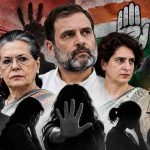
New Delhi, 10th Nov: The BJP has criticised former Congress president Sonia Gandhi over her newly released memoir, Belonging: A Journey of Love, accusing her of attempting to soften the historical record of the Emergency and shield the Nehru-Gandhi family from scrutiny.
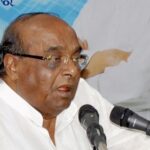
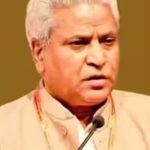
BJP national spokesperson CR Kesavan described the memoir as an attempt to whitewash the Congress party’s past and alleged that it sought to present controversial decisions taken during successive Congress governments in a favourable light.
In a post on X, Kesavan said the book could have been titled Whitewashing instead of Belonging, claiming that its purpose was to sugar-coat what he described as historical wrongs committed by the Nehru-Gandhi family and the Congress.
Emergency remarks trigger BJP criticism
The BJP’s criticism followed the memoir’s account of the Emergency imposed by then Prime Minister Indira Gandhi in 1975. Sonia Gandhi describes the Emergency as a mistake and writes that she believes her mother-in-law eventually reached the same conclusion.
She also suggests that much of the damage during the Emergency could have been avoided had Indira Gandhi kept her younger son, Sanjay Gandhi, “in check”.
Kesavan rejected this account, alleging that the memoir attempted to justify and normalise the Emergency rather than confront the suspension of fundamental rights, press censorship and other excesses associated with the period.
Kesavan raises questions over Babri Masjid and 1984 Sikh violence
The BJP spokesperson also questioned Sonia Gandhi’s references to the demolition of the Babri Masjid and accused her of being selective in expressing grief over communal violence.
Referring to her statement that she cried over the Babri Masjid demolition, Kesavan asked whether she had expressed similar grief over the 1984 anti-Sikh violence, during which thousands of people were killed under the Congress government.
He also referred to the controversy surrounding Congress leaders’ responses to the 2008 Batla House encounter and questioned whether the memoir addressed the deaths of security personnel and victims of the 26/11 Mumbai terror attacks.
Kesavan further questioned the Congress-led UPA government’s response to the Mumbai attacks, asking why it had not retaliated.
Natwar Singh episode brought into debate
Kesavan also raised questions about Sonia Gandhi’s reported visit to the residence of former External Affairs Minister K Natwar Singh shortly before the publication of his 2014 autobiography, One Life Is Not Enough.
Natwar Singh had written about the circumstances surrounding Sonia Gandhi’s decision not to become Prime Minister after the Congress emerged as the largest party in the 2004 Lok Sabha elections.
According to Singh’s account, Sonia Gandhi and Priyanka Gandhi met him before the autobiography was published and discussed passages relating to that period.
Kesavan alleged that the visit had taken place after a gap of eight-and-a-half years and questioned what had prompted it. He asked whether Sonia Gandhi had been apprehensive about what Singh might write regarding events leading to the formation of the UPA government in 2004.
BJP widens attack on Congress legacy
Concluding his criticism, Kesavan alleged that the Congress’s nearly 55 years in power at the Centre had caused lasting damage to Indian democracy and political institutions.
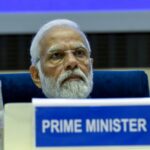
He credited Prime Minister Narendra Modi with correcting what he described as historical wrongs committed by the Congress.
The political exchange has brought Sonia Gandhi’s memoir into the centre of a wider debate over the Emergency, the Congress’s political legacy and the historical accountability of successive governments.