
IMEI Tampering: A Threat to India’s Digital Security
DoT warns against altered device identities, outlines legal safeguards and steps for secure mobile usage

- India had 1,204.01 million active wireless subscribers in July 2026.
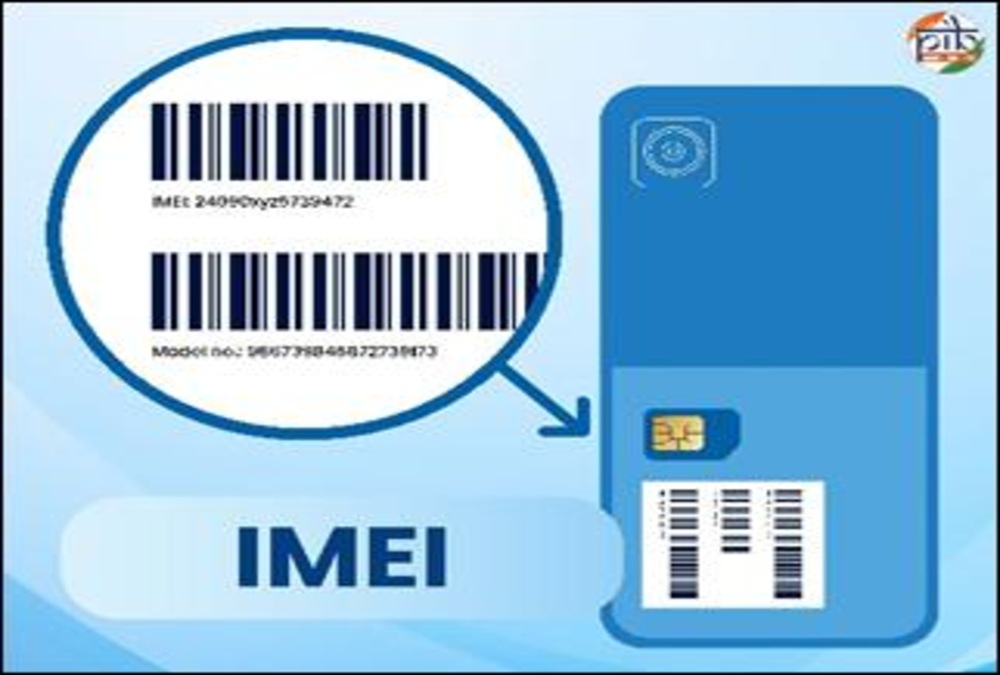
- IMEI is a unique 15-digit identifier for mobile devices.
- IMEI tampering can attract up to three years’ imprisonment and ₹50 lakh fine.
- Users can verify device details through Sanchar Saathi or SMS 14422.
GG News Bureau
New Delhi, 23rd Sept: India’s rapidly expanding digital ecosystem has made telecommunications central to everyday life, commerce and governance, increasing the need to safeguard the security and integrity of mobile devices and telecom networks.
According to the Department of Telecommunications (DoT), India’s active wireless mobile subscriber base reached 1,204.01 million in July 2026. With mobile networks increasingly supporting digital payments, online services and citizen-centric governance, the integrity of device identifiers has assumed greater importance.
One of the key concerns highlighted by the government is the misuse or tampering of the International Mobile Equipment Identity (IMEI), which can enable devices to operate with altered identities and make their identification on telecom networks more difficult.
The government said such practices can pose challenges for law enforcement, consumer protection and network security, making the protection of device identifiers an important part of a secure and resilient telecommunications ecosystem.
What constitutes unlawful IMEI tampering?
The government states that it is unlawful to intentionally remove, obliterate, change or alter a unique Mobile Device Equipment Identification number.
It is also unlawful to intentionally use, produce, traffic in, control, possess or have custody of hardware or software while knowing that it has been configured to alter such identification.
Understanding the IMEI
An IMEI is a unique 15-digit number used to identify a mobile device on a telecom network. The first eight digits constitute the Type Allocation Code (TAC), which identifies the device model or type.
The Global System for Mobile Communications Association (GSMA) oversees the global allocation of TACs. GSMA allocates TACs to manufacturers and brand owners, who then assign unique IMEIs to individual devices.
A dual-SIM phone generally has two IMEI numbers, one for each SIM slot.
Users can check their IMEI by dialling *#06# on their mobile device. They can also verify device details through the Sanchar Saathi portal or mobile app, or by sending KYM <15-digit IMEI number> via SMS to 14422.
Responsibility across the telecom ecosystem
The government has emphasised that securing mobile devices requires accountability from manufacturers, importers, sellers, brand owners and consumers.
Manufacturers are required to register IMEI numbers of applicable telecom devices manufactured in India with the government before their first sale, testing, research or other use through the Device Setu–Indian Counterfeited Device Restriction (ICDR) portal. They must ensure that devices carry valid, unique and untampered IMEIs.
Importers must register applicable IMEI numbers with the Central Government before importing telecom equipment into India for sale, testing, research and development or other purposes. Imported devices must carry valid and authorised IMEI numbers.
Resellers and retailers are required to ensure that devices offered for sale have valid and untampered IMEIs. Dealers of used devices are advised to verify IMEIs against the government’s central database of tampered and blacklisted devices before completing transactions.
The government has warned that selling or dealing in devices with tampered or configurable IMEIs can attract stringent legal action.
Brand owners must ensure that devices sold under their brands comply with applicable IMEI registration and cybersecurity requirements. Their brands are to be appropriately registered through the Device Setu–ICDR portal and linked to the relevant GSMA TAC.
What citizens should avoid
The DoT has advised citizens to refrain from using, procuring or assembling devices such as modems, modules and SIM boxes with configurable or tampered IMEIs.
Citizens have also been advised against procuring SIM cards through fake documents, fraud, cheating or impersonation, as well as transferring or handing over SIM cards registered in their names to others who may misuse them.
The government has further advised against using mobile applications, websites or other means to modify Calling Line Identity (CLI) or other telecommunications identifiers.
Sanchar Saathi helps verify device details
The Sanchar Saathi platform enables citizens to verify IMEI details, including the device’s brand, model and manufacturer. The government has positioned the platform as a tool to help users establish device authenticity and strengthen handset security.
Steps citizens should take
Consumers have been advised to purchase mobile devices only from authorised sellers and verify their IMEI details.
The government also recommends using strong passwords, PINs or biometric authentication and getting devices repaired only at authorised service centres to reduce the risk of IMEI tampering and other malicious activity.
For a lost or stolen device, citizens should first file a report with the local police and retain a copy. They should then obtain a duplicate SIM from their telecom operator.
Under TRAI regulations, SMS services remain restricted for the first 24 hours after activation of a reissued SIM. Since Sanchar Saathi requires mobile OTP verification, users must wait 24 hours before submitting the blocking request.
The blocking request can then be submitted through the Sanchar Saathi (CEIR) portal or mobile app, along with the police report and valid identity proof. A unique Request ID is generated for the request.
If the device is recovered, the user should first inform the local police and then use the Request ID on the portal to unblock the handset.
Legal safeguards against IMEI tampering
The government said the Telecommunications Act, 2023 provides for action against tampering with telecommunications identifiers, including IMEI numbers.
Section 42(3)(c) prohibits tampering with telecommunications identifiers, while Section 42(3)(e) prohibits obtaining SIMs or telecommunications identifiers through fraud, cheating or impersonation.
Violations can attract imprisonment of up to three years, a fine of up to ₹50 lakh, or both. Such offences are classified as cognizable and non-bailable under Section 42(7) of the Act.
Under Section 42(6), persons who abet or promote the commission of such offences are also liable to the same punishment.
The government said these provisions are intended to create a strong deterrent against IMEI tampering and misuse of telecommunications resources.
The DoT stressed that securing India’s digital infrastructure is a shared responsibility involving the government, industry and individual users. It said awareness, compliance and responsible use can help prevent fraud, protect citizens and strengthen trust in the country’s growing digital ecosystem.
